
Exploring the Pantheon: An In-Depth Look at the Twelve Norse Gods
The Norse pantheon consists of numerous deities, but twelve stand out as the most well-known and frequently referenced in surviving sources, representing the principal gods from the Æsir and Vanir groups. The Æsir, associated with war, wisdom, and order, include Odin, Thor, Frigg, Baldr, Týr, Heimdallr, Bragi, and Iðunn. The Vanir, linked to fertility, prosperity, and nature, contribute Freyja, Freyr, and Njörðr. Loki, though not strictly Æsir or Vanir, is often included due to his central role in myths. These gods appear in narratives from the Viking Age (c. 793–1066 CE) and medieval Scandinavia.
Primary sources are the Poetic Edda, a collection of anonymous Old Norse poems compiled around 1270 CE, and the Prose Edda, written by Snorri Sturluson in 1220 CE. Additional details come from skaldic poetry, runic inscriptions, and place-names. Archaeological finds, such as amulets and figurines from the 9th–11th centuries CE, provide indirect evidence. The pantheon reflects a blend of pre-Christian beliefs with Christian influences in the sources. Uncertainties exist regarding worship practices, as no contemporary pagan accounts survive, and sources date to the Christian era.
The Æsir Gods
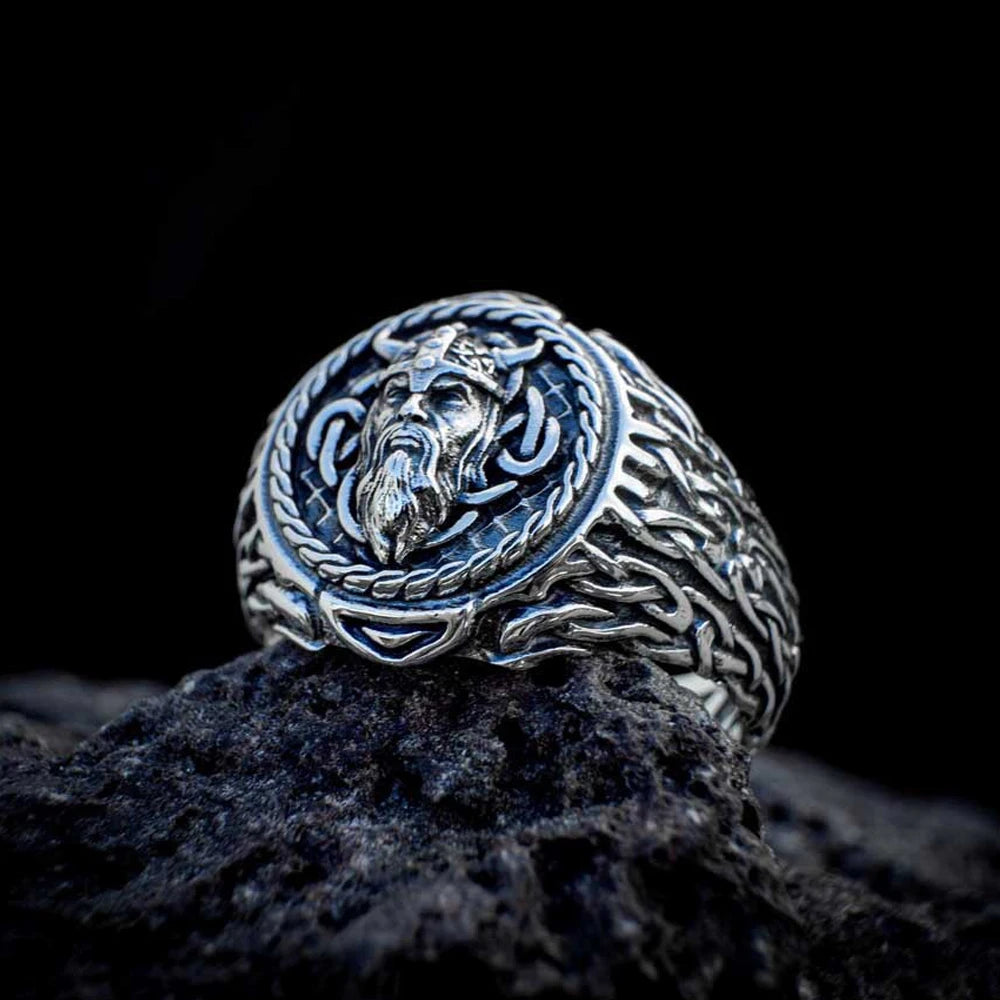
Odin serves as the chief of the Æsir and god of wisdom, war, poetry, and death. The Prose Edda describes him as the Allfather, ruling from Valhöll in Ásgarðr, where he welcomes fallen warriors. Odin sacrifices an eye for knowledge at Mímir's well and hangs on Yggdrasill for nine days to gain runes. He is accompanied by ravens Huginn and Muninn, wolves Geri and Freki, and rides the eight-legged horse Sleipnir. Odin features in myths like the theft of the mead of poetry.
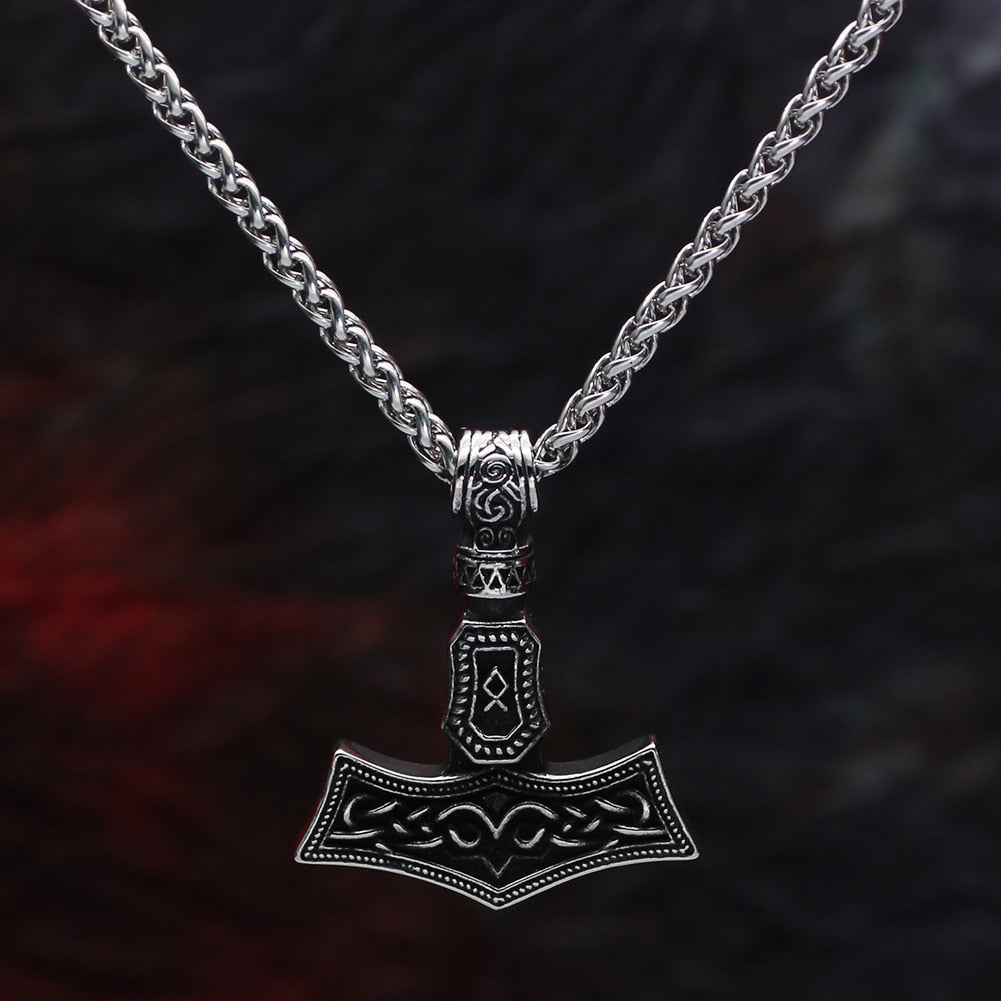
Thor ranks as the god of thunder, strength, and protection. The Prose Edda portrays him wielding Mjöllnir, a hammer forged by dwarves, and riding a chariot pulled by goats Tanngrisnir and Tanngnjóstr. Thor defends Ásgarðr against giants, as in the tale of his journey to Útgarða-Loki. His belt Megingjörð doubles his strength, and he wears iron gloves Járngreipr. Thor appears frequently in Eddic poems like Þrymskviða, where he retrieves Mjöllnir from thieves.
Frigg is Odin's wife and goddess of marriage, motherhood, and foresight. The Prose Edda notes her residence in Fensalir and her knowledge of fates, though she does not reveal them. Frigg weeps for her son Baldr and attempts to protect him by extracting oaths from all things not to harm him. She is often conflated with Freyja in some sources.
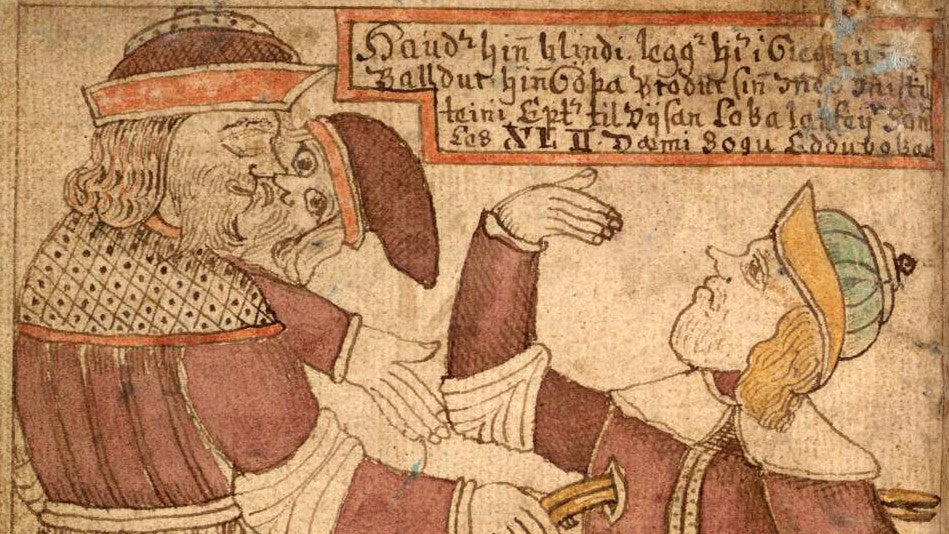
Baldr embodies beauty, light, and purity. The Prose Edda describes his death when Loki tricks Höðr into throwing mistletoe at him. Baldr resides in Breiðablik, a hall free from impurity. His myth includes dreams foretelling doom and a failed rescue from Hel.
Týr is the god of justice, law, and war. The Prose Edda recounts his sacrifice of a hand to bind Fenrir. Týr appears in myths like the binding of the wolf, where he places his hand in Fenrir's mouth as a pledge.
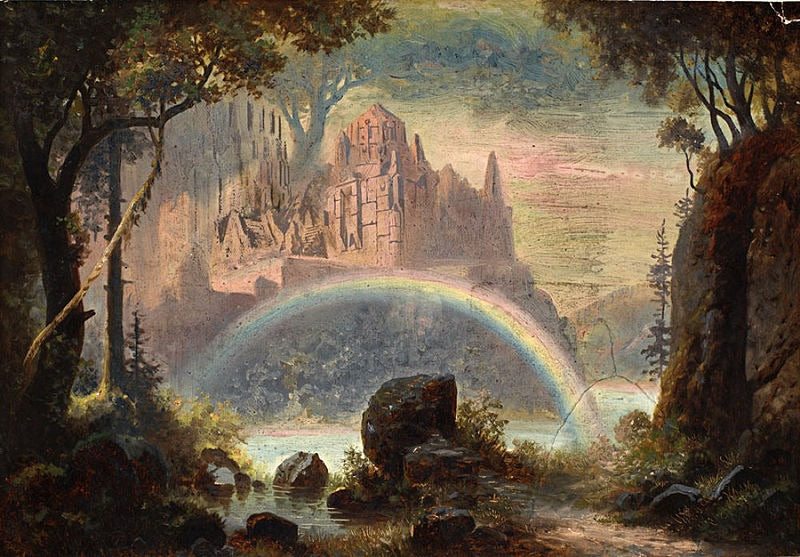
Heimdallr guards the bridge Bifröst and possesses keen senses. The Prose Edda states he needs less sleep than a bird and can see a hundred leagues away. Heimdallr blows Gjallarhorn to signal Ragnarök and is destined to fight Loki.
Bragi is the god of poetry and eloquence. The Prose Edda depicts him as Iðunn's husband, with runes on his tongue. Bragi greets new arrivals in Valhöll and composes verses.
Iðunn keeps the apples of youth. The Prose Edda describes her abduction by Þjazi, causing the gods to age until Loki rescues her. Iðunn resides with Bragi and ensures the Æsir's immortality.
The Vanir Gods
Freyja is a Vanir goddess of love, fertility, beauty, and war. The Prose Edda notes her command of seiðr magic and her chariot pulled by cats. Freyja receives half the slain in Fólkvangr and possesses the Brísingamen necklace. She weeps tears of gold for her husband Óðr.
Freyr is Freyja's brother and god of fertility, prosperity, and peace. The Prose Edda describes his ship Skíðblaðnir and boar Gullinbursti. Freyr gives up his sword for Gerðr, leading to his death at Ragnarök against Surtr.
Njörðr is the Vanir god of the sea, wind, and wealth. The Prose Edda portrays him living in Nóatún and marrying Skadi, though they separate due to incompatible preferences for sea and mountains. Njörðr is Freyja and Freyr's father.
Loki is the trickster associated with the Æsir. The Prose Edda details his role in Baldr's death and binding until Ragnarök. Loki fathers Fenrir, Jörmungandr, and Hel with Angrboða. He fights Heimdallr at Ragnarök.
Roles in Myths and Cosmology
These gods participate in creation myths. The Prose Edda describes Odin, Vili, and Vé forming the world from Ymir's body. They create humans from ash and elm logs.
At Ragnarök, Odin leads the Æsir against giants but dies to Fenrir. Thor slays Jörmungandr but succumbs to poison. Freyja and Freyr fight in the battle, with Freyr dying without his sword. Loki and Heimdallr kill each other. Baldr and Iðunn survive to the new world.
Worship and Historical Evidence
Viking Age worship involved blóts (sacrifices) at hofs or outdoors. Runestones and place-names (e.g. Torsåker for Thor) indicate veneration. Adam of Bremen (c. 1075 CE) describes Uppsala temple for Odin, Thor, and Freyr.
Scholarly views, per John Lindow (2001), highlight Thor's popularity among common people, Odin's among elites. Freyja and Freyr had fertility cults. Evidence for Baldr or Bragi worship is scarce.
Uncertainties and Limited Information
Sources are Christian-era, raising questions about pre-Christian accuracy. Snorri may have systematised diverse traditions. Regional variations existed, with some gods more prominent in Norway or Iceland. Worship details rely on sparse archaeology, like Thor's hammer amulets.
The twelve major Norse gods—Odin, Thor, Frigg, Baldr, Týr, Heimdallr, Bragi, Iðunn, Freyja, Freyr, Njörðr, and Loki—form the core of the pantheon, blending Æsir and Vanir traditions. Depicted in the Eddas as rulers of Ásgarðr and Vanaheimr, they embody aspects of war, fertility, wisdom, and chaos. Their myths, from creation to Ragnarök, reflect Viking Age cosmology. While worship evidence is limited, these deities shaped Scandinavian culture and continue to influence modern interpretations of Norse heritage.
Frequently Asked Questions (FAQs)
What are the two main groups of Norse gods?
The Æsir, associated with war and order, and the Vanir, linked to fertility and nature.
Who is the chief god in Norse mythology?
Odin, the Allfather, rules the Æsir and is god of wisdom, war, and death.
What is Thor's weapon?
Mjöllnir, a hammer forged by dwarves, used to protect against giants.
Who guards the bridge to Ásgarðr?
Heimdallr, who has keen senses and blows Gjallarhorn at Ragnarök.
What do the Vanir gods represent?
Fertility, prosperity, and nature, with Freyja, Freyr, and Njörðr as key figures.
References
Snorri Sturluson. Prose Edda. Translated by Anthony Faulkes. Everyman, 1987.
Anonymous. Poetic Edda. Translated by Carolyne Larrington. Oxford University Press, 2014.
Lindow, John. Norse Mythology: A Guide to the Gods, Heroes, Rituals, and Beliefs. Oxford University Press, 2001.
Simek, Rudolf. Dictionary of Northern Mythology. Translated by Angela Hall. D.S. Brewer, 1993.
Dumézil, Georges. Gods of the Ancient Northmen. University of California Press, 1973.
Price, Neil. The Viking Way: Magic and Mind in Late Iron Age Scandinavia. Oxbow Books, 2019.
Turville-Petre, E.O.G. Myth and Religion of the North: The Religion of Ancient Scandinavia. Holt, Rinehart and Winston, 1964.



Leave a comment
This site is protected by hCaptcha and the hCaptcha Privacy Policy and Terms of Service apply.