

Crafted with Purpose
Each piece is made to reflect the depth and weight of Germanic tradition, drawing from Norse, Anglo-Saxon, and Continental roots.

Made by Skilled Hands
All items are crafted with care, using methods that echo historical forms—not just in style, but in spirit.

Uncompromising Quality
We use premium-grade materials, ensuring every item is built to last through the ages—just like the stories that inspired them.
Featured collections
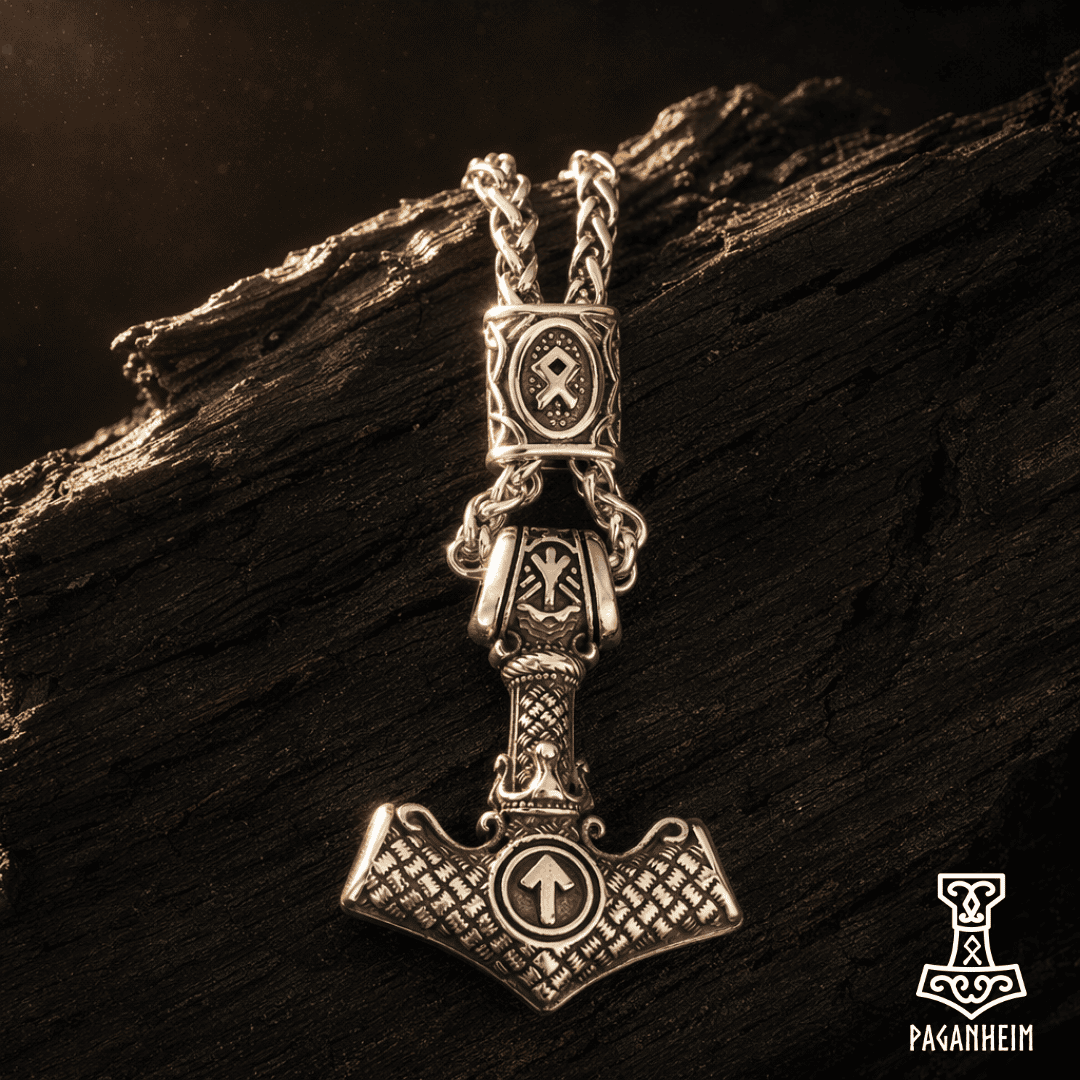
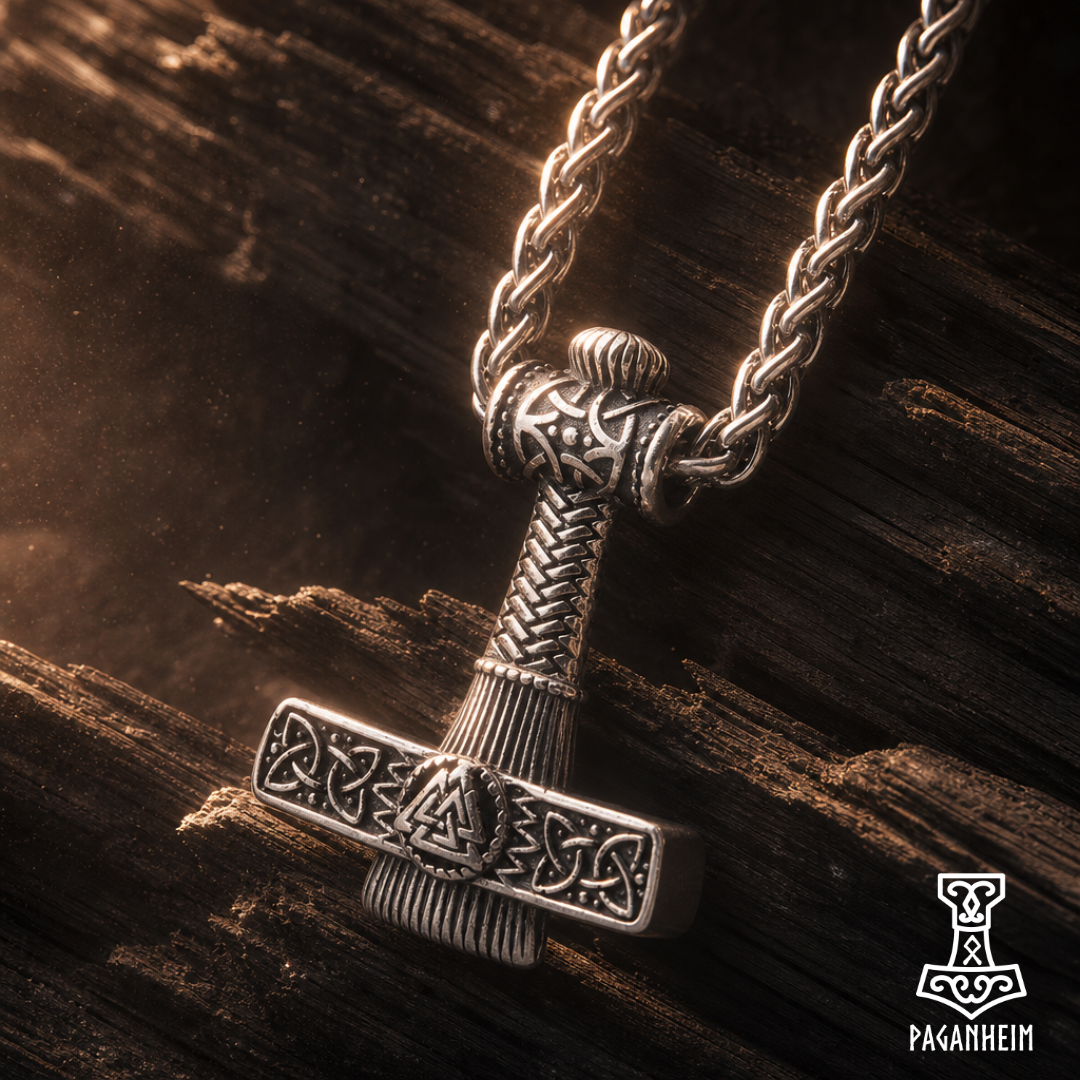
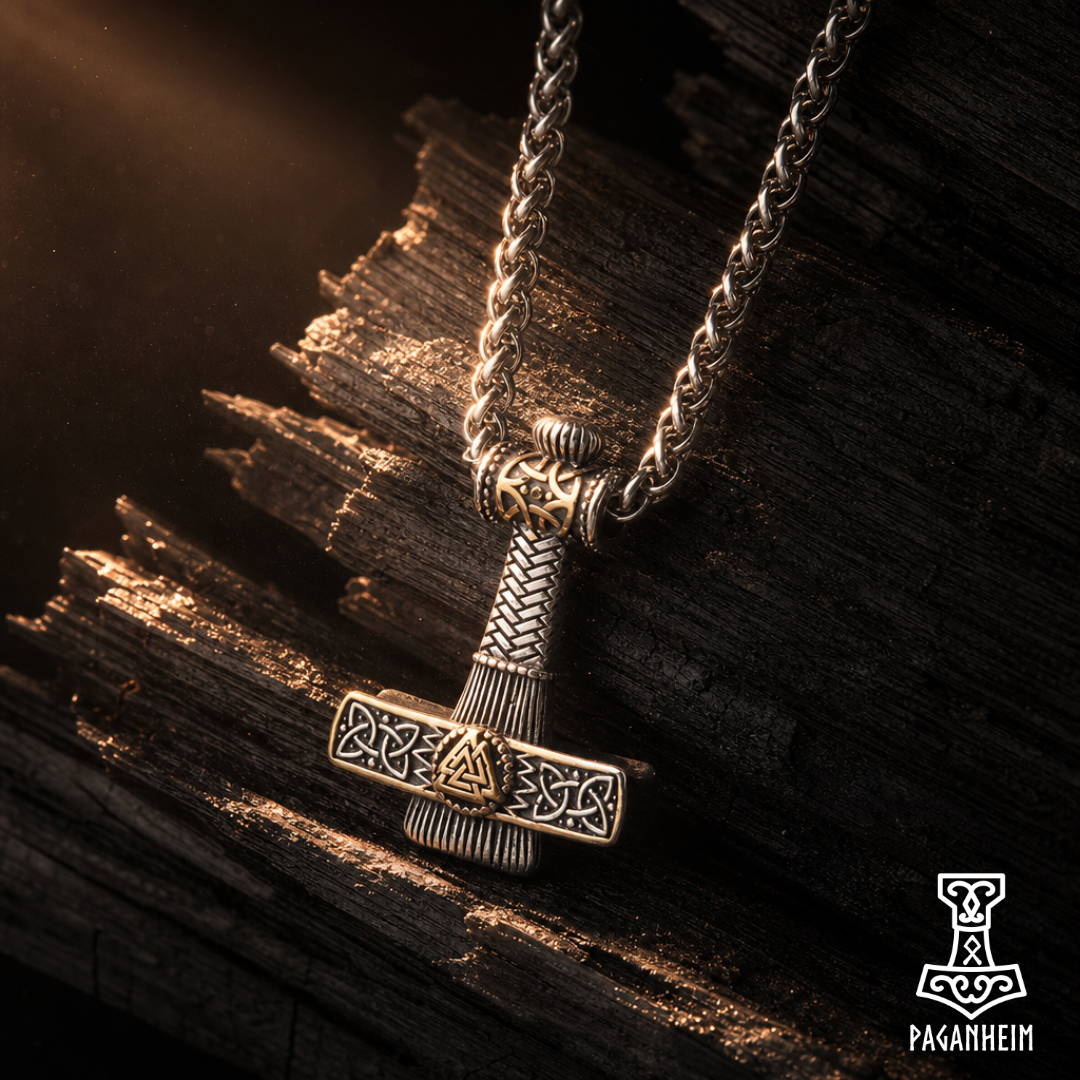
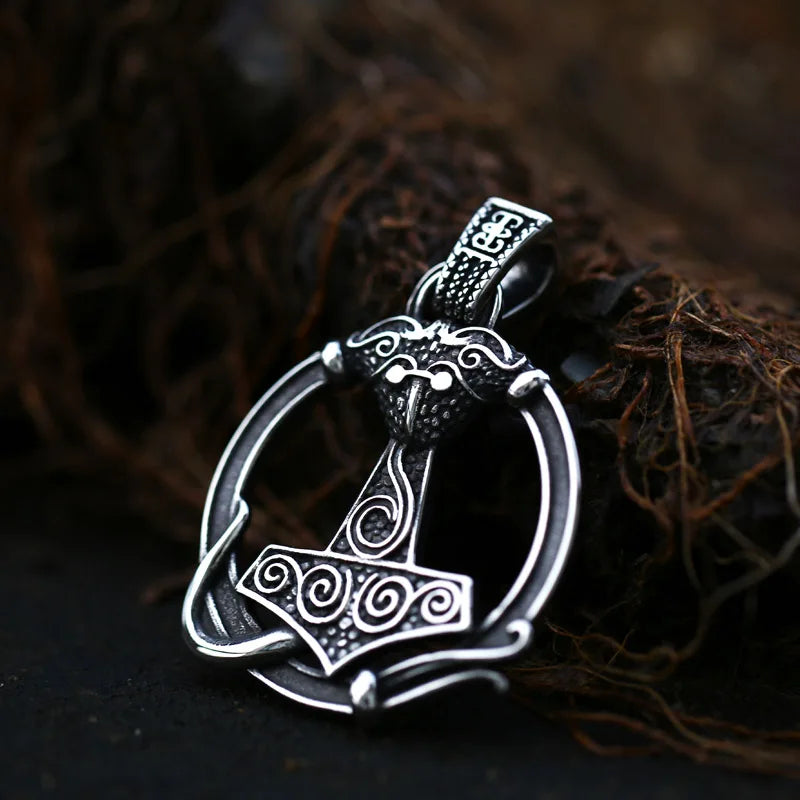
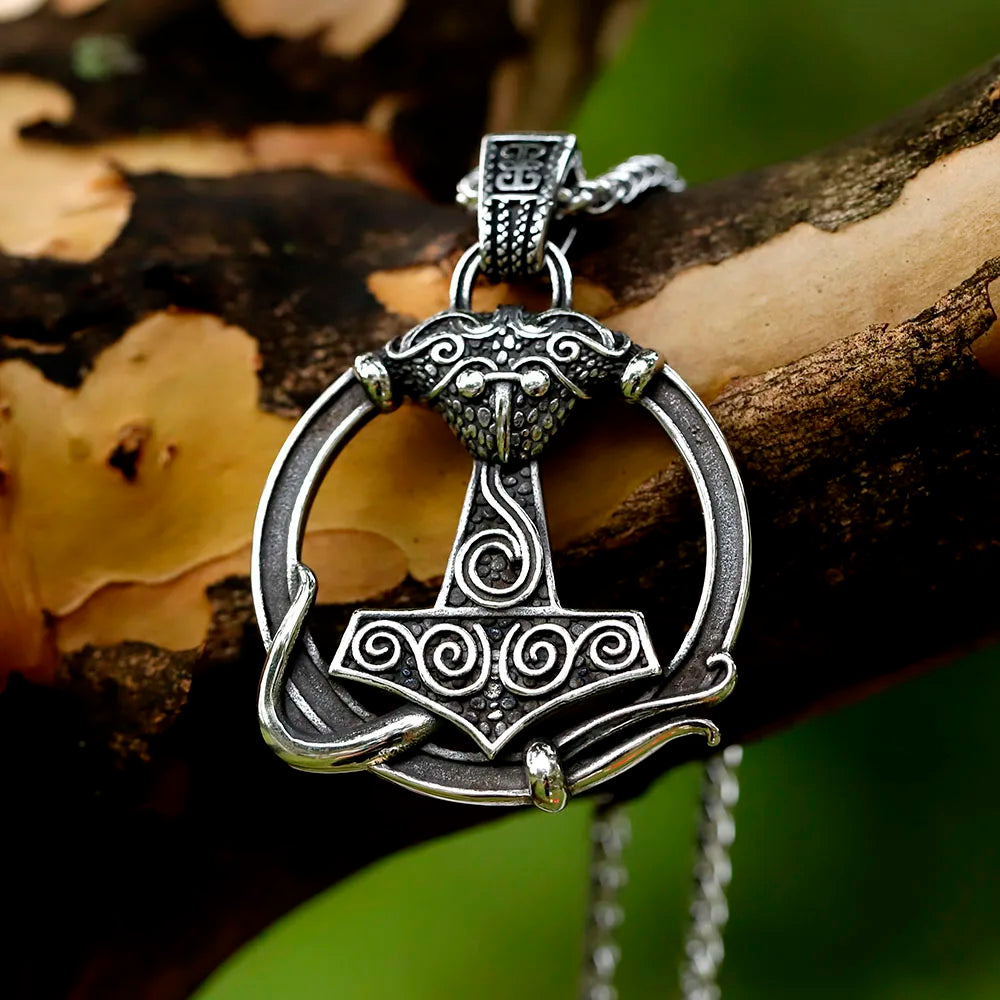
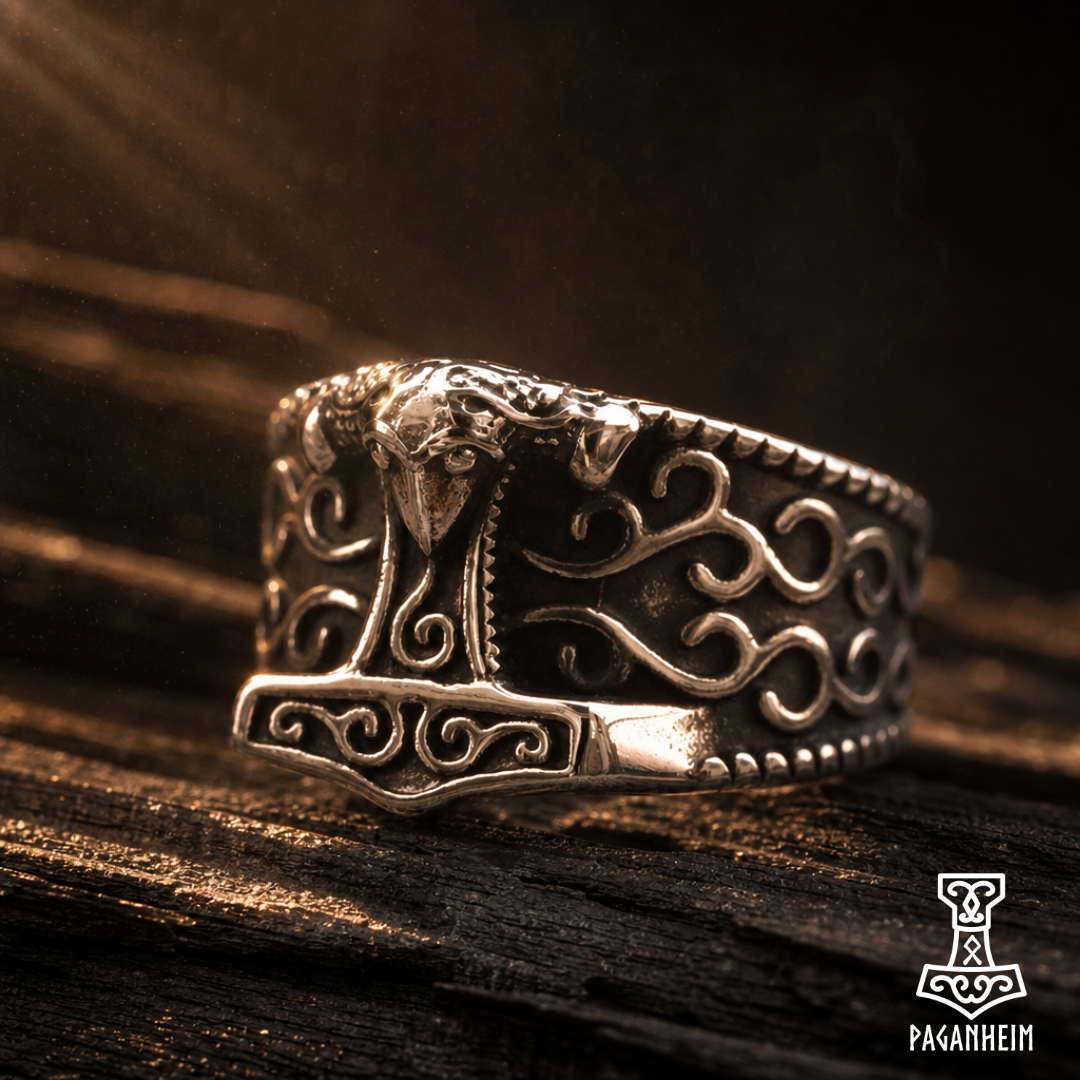
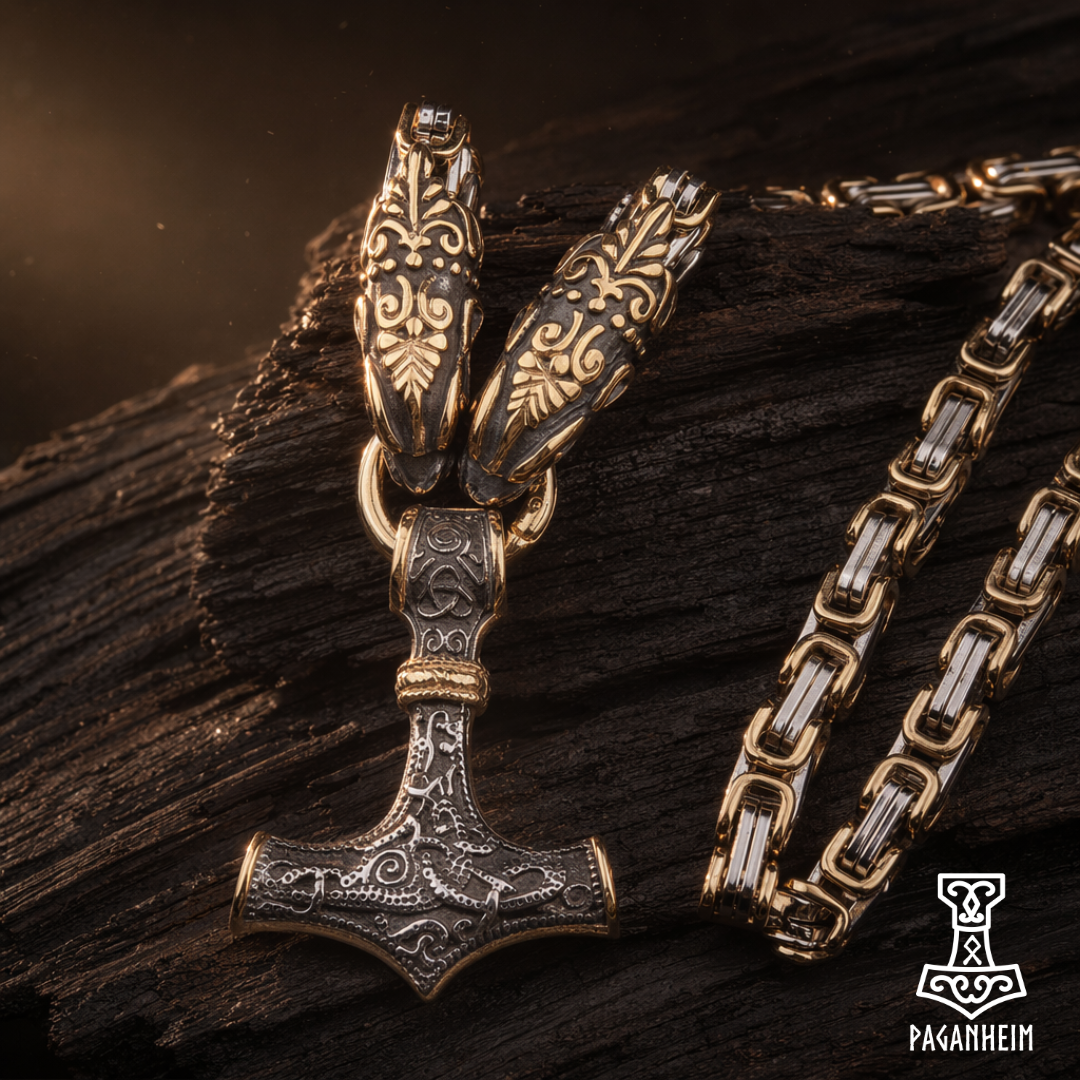
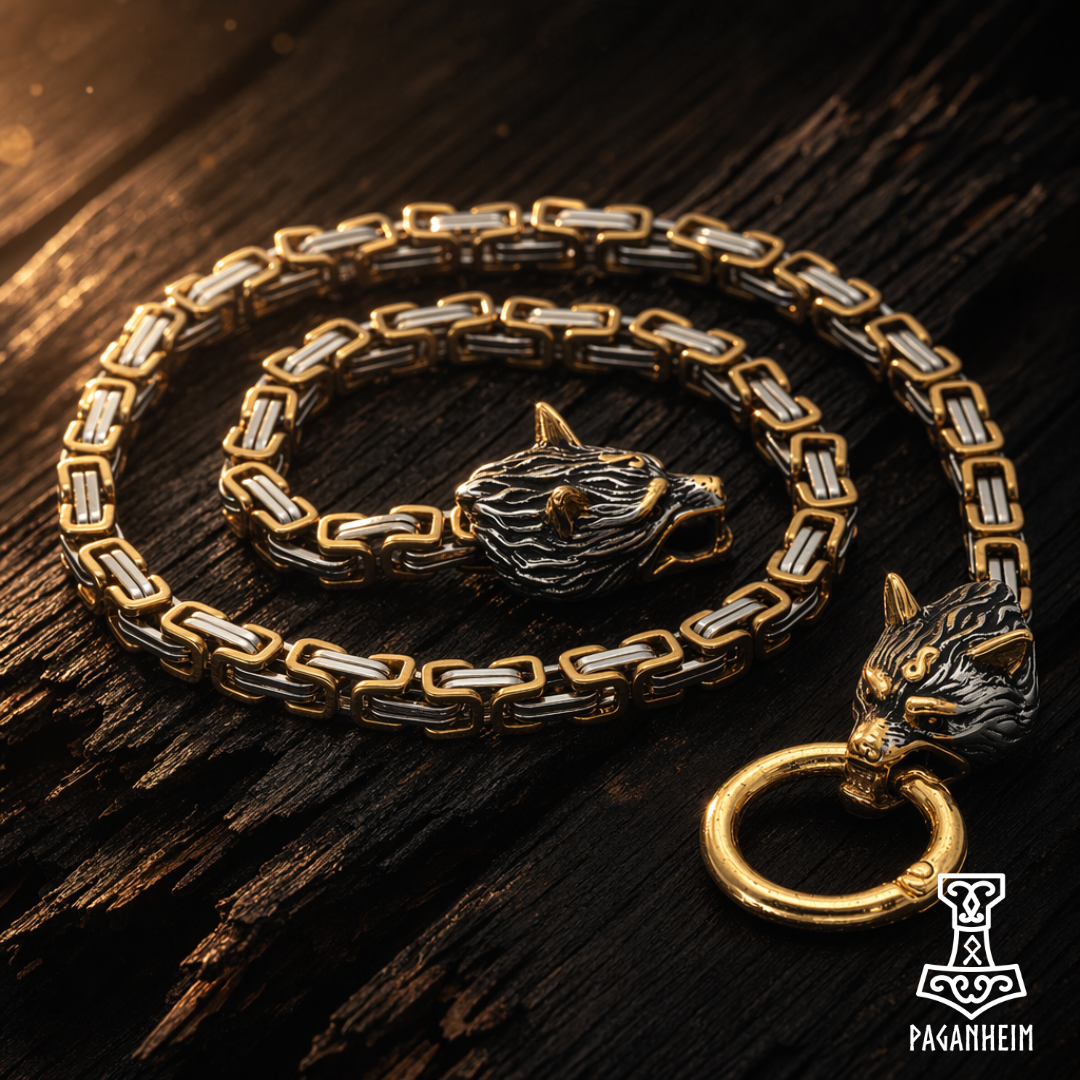
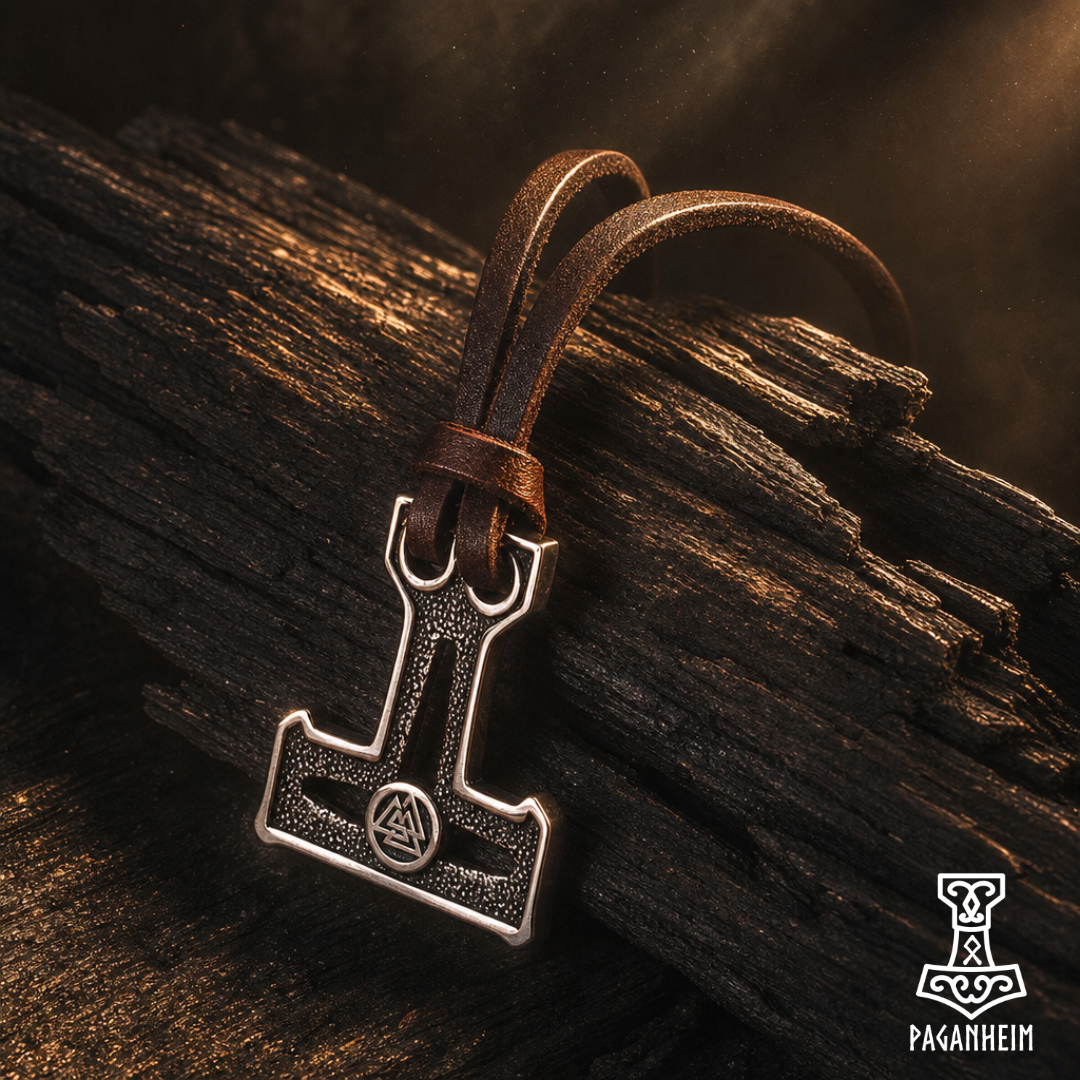
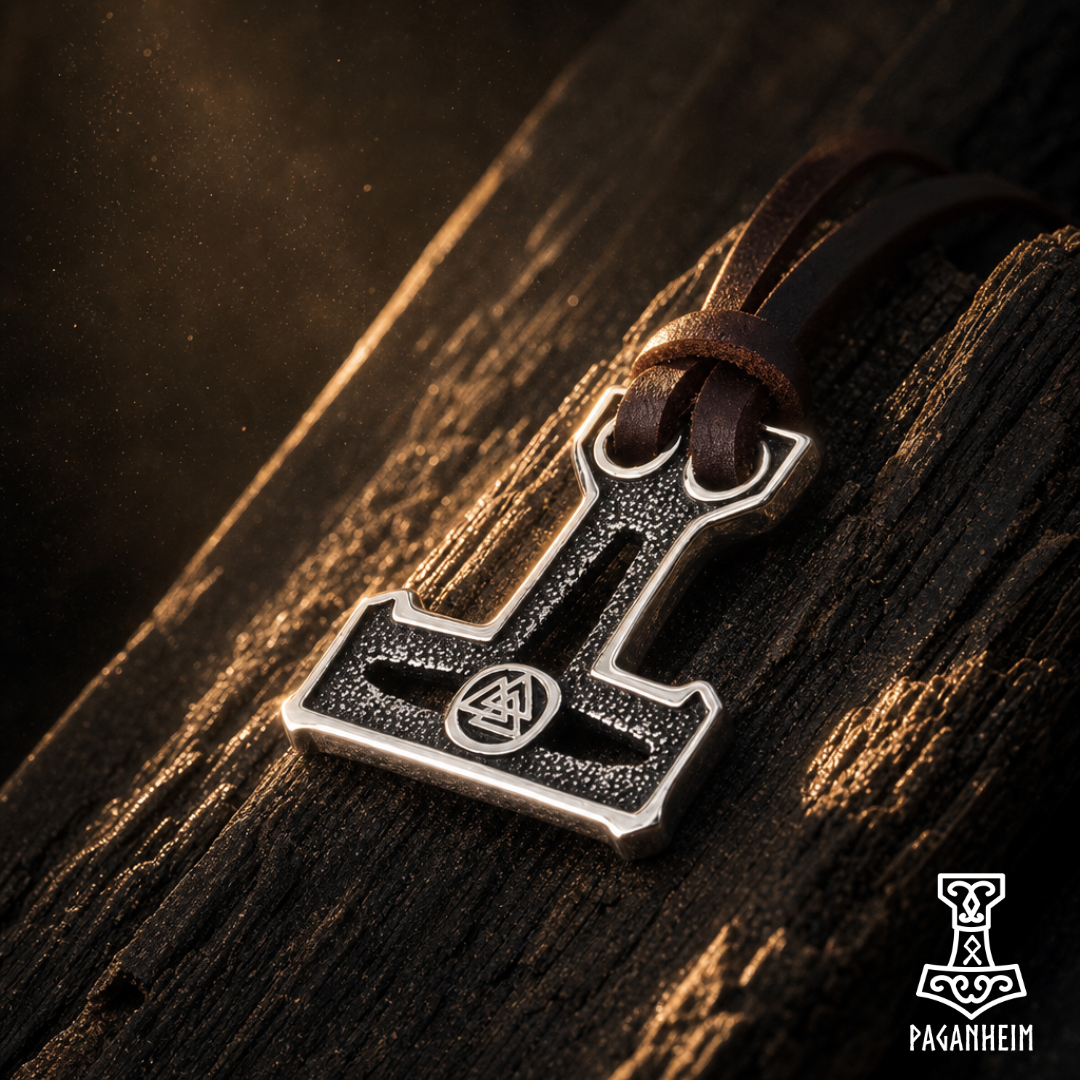
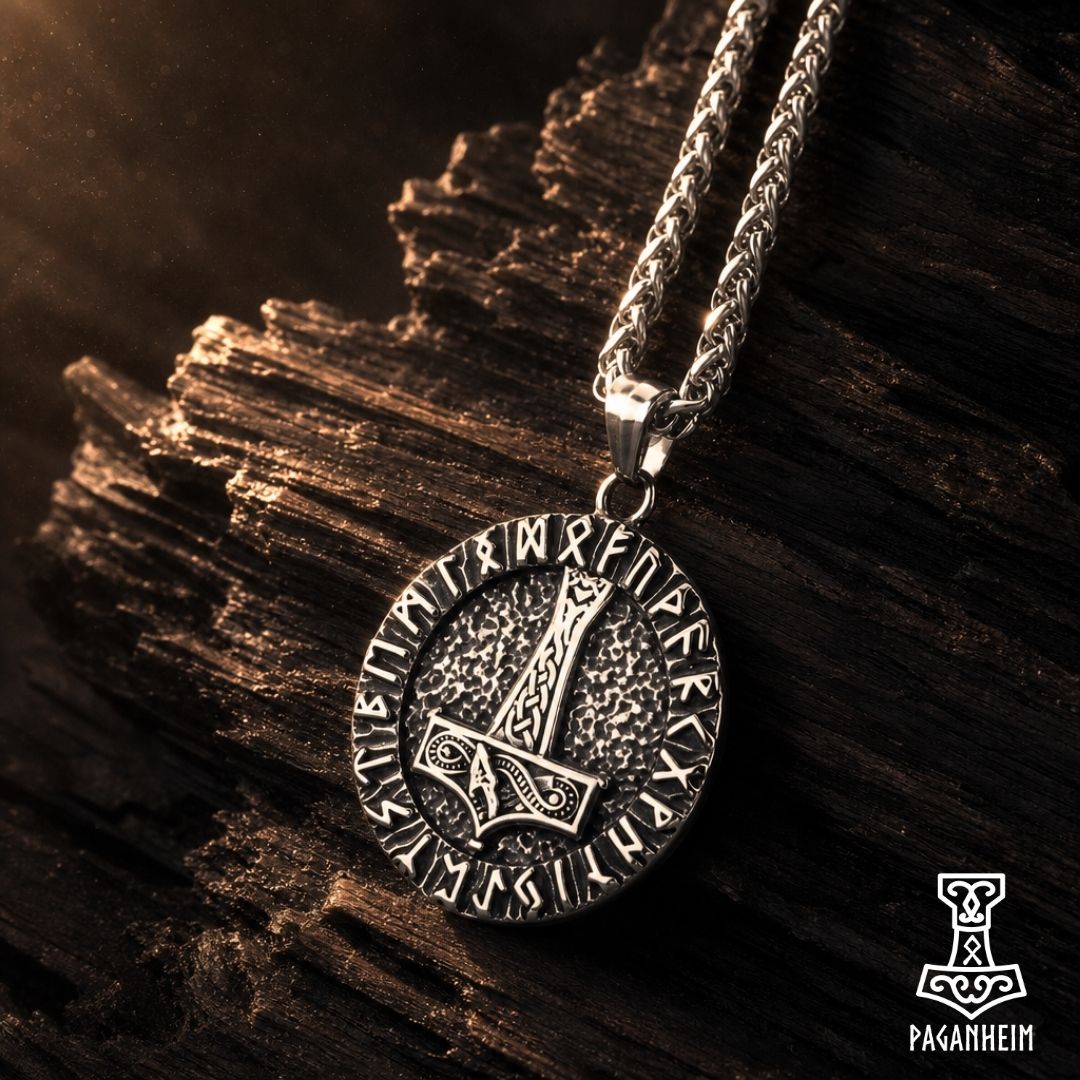
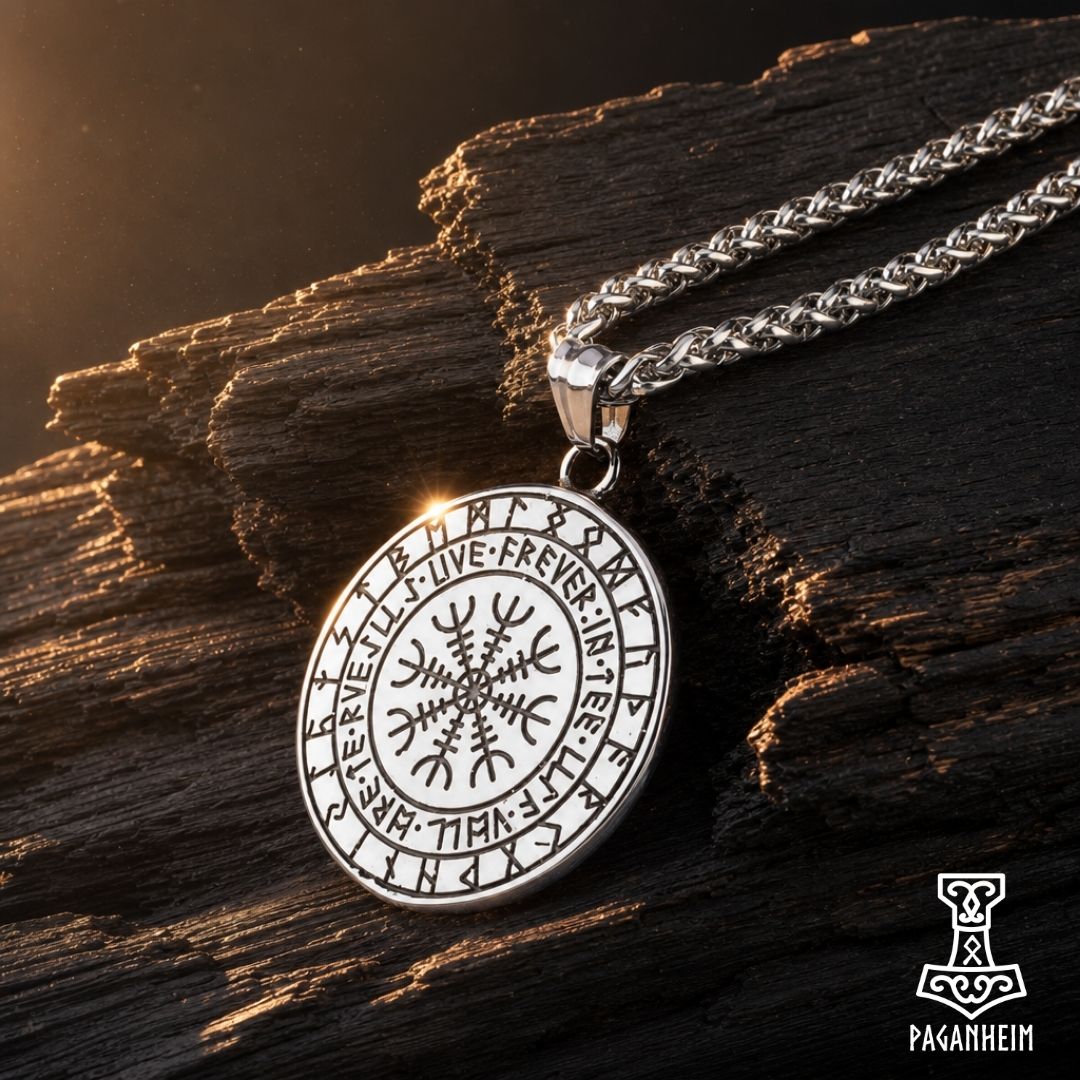
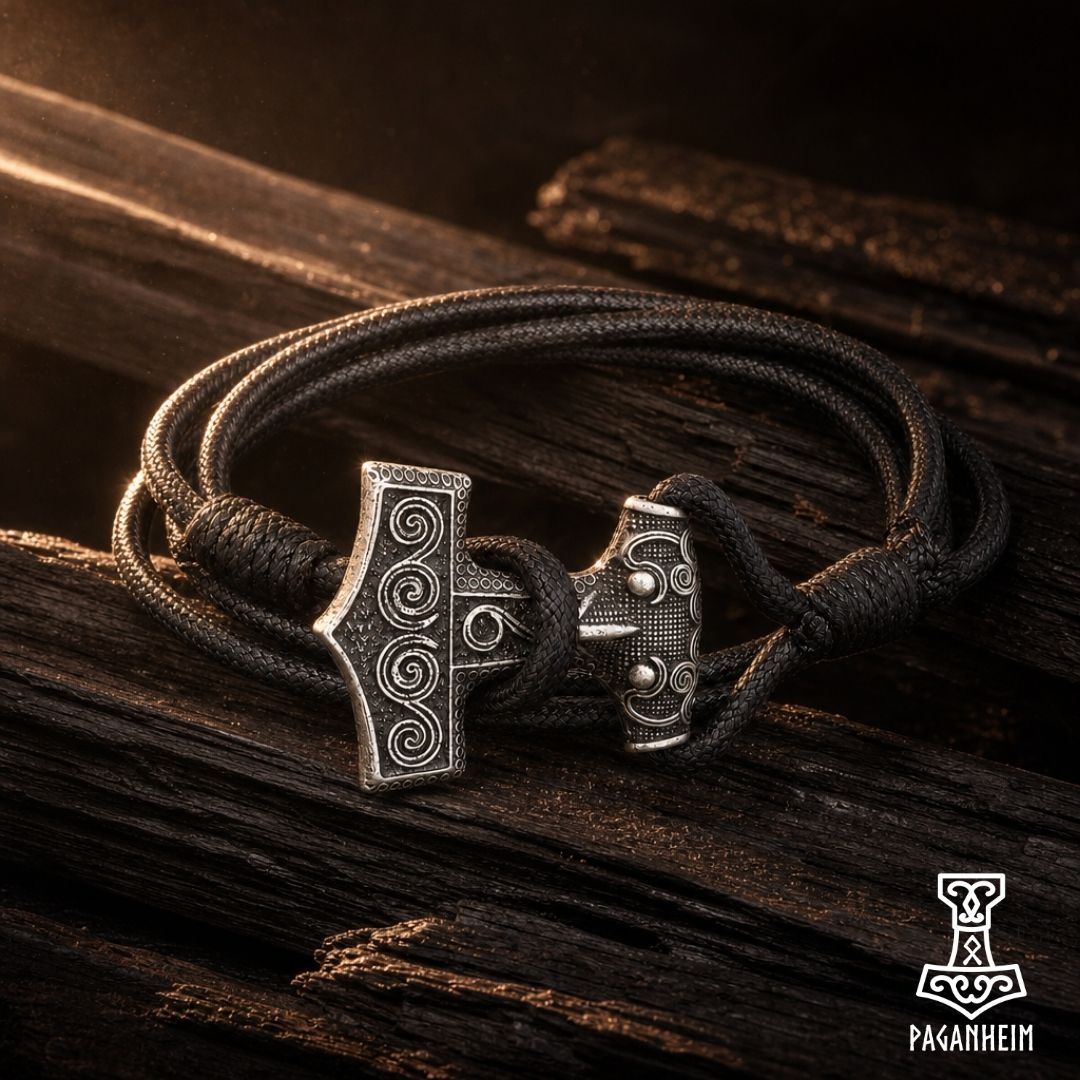
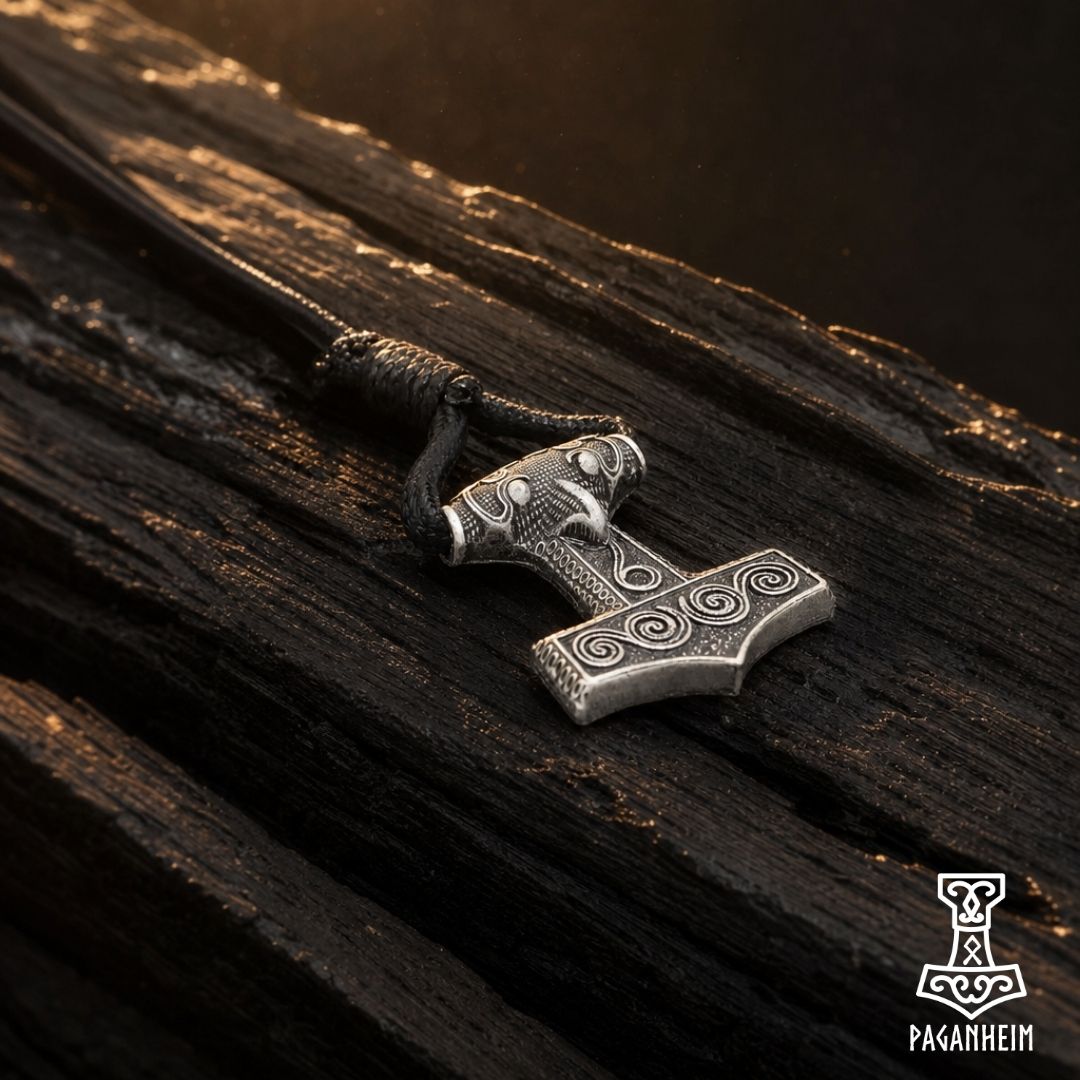
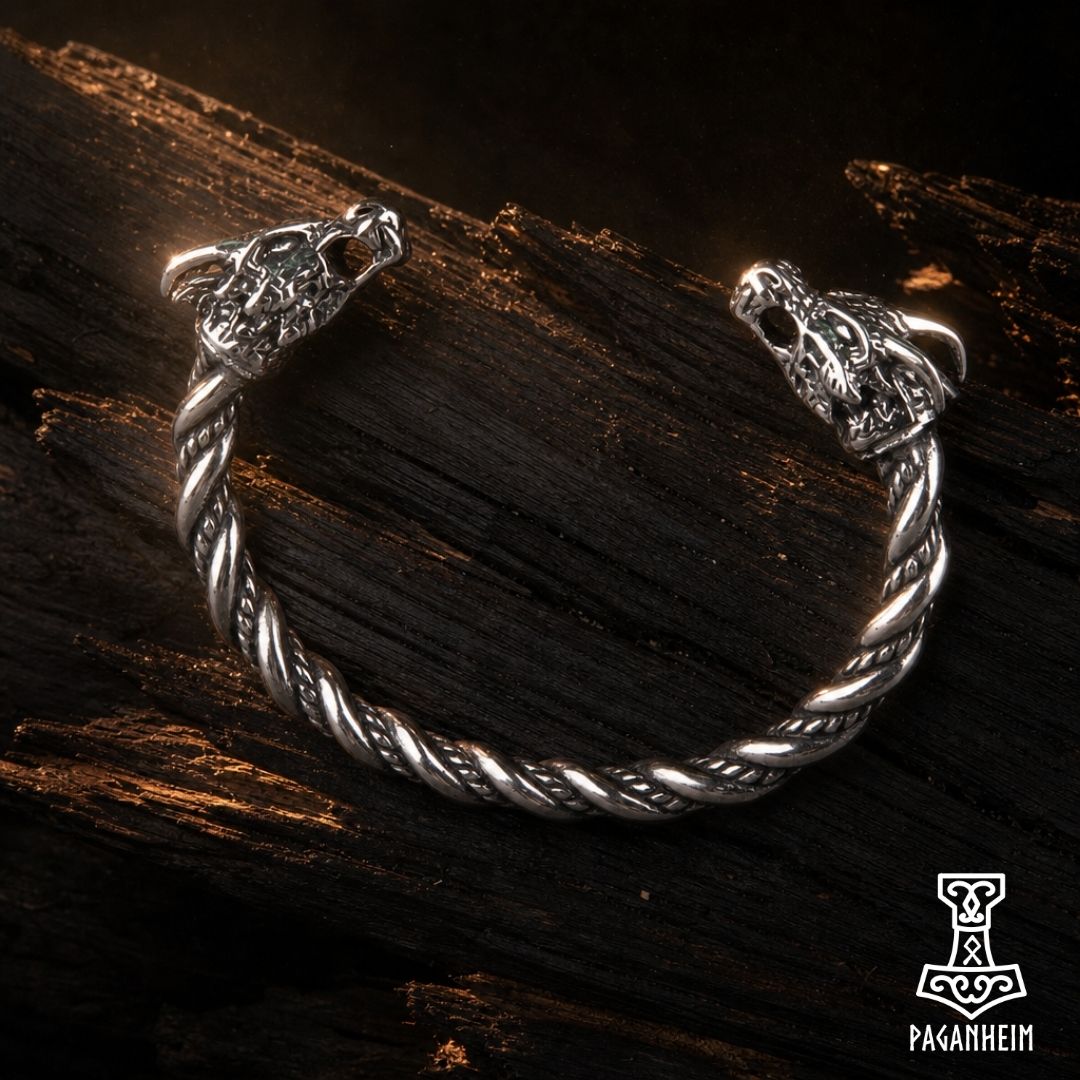
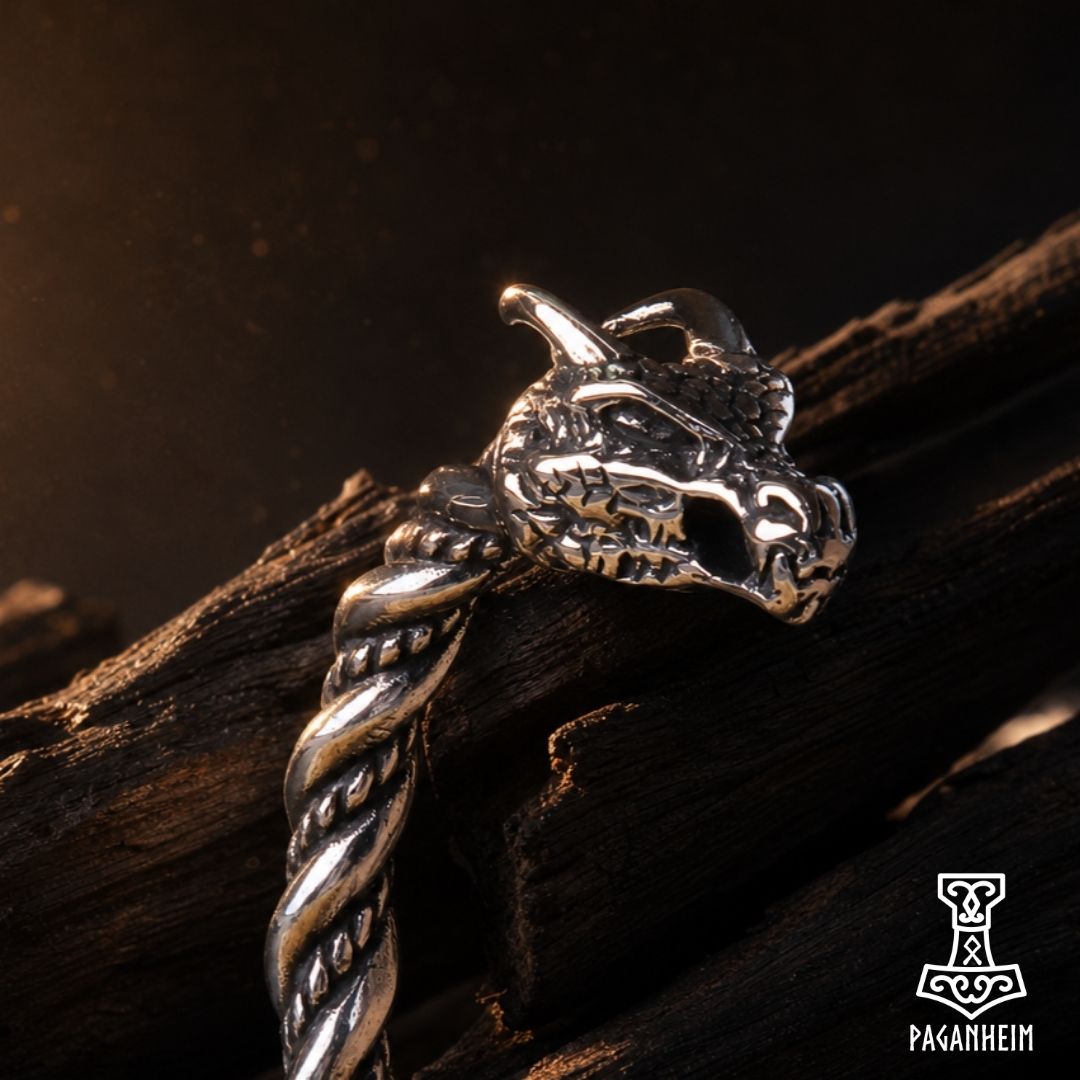
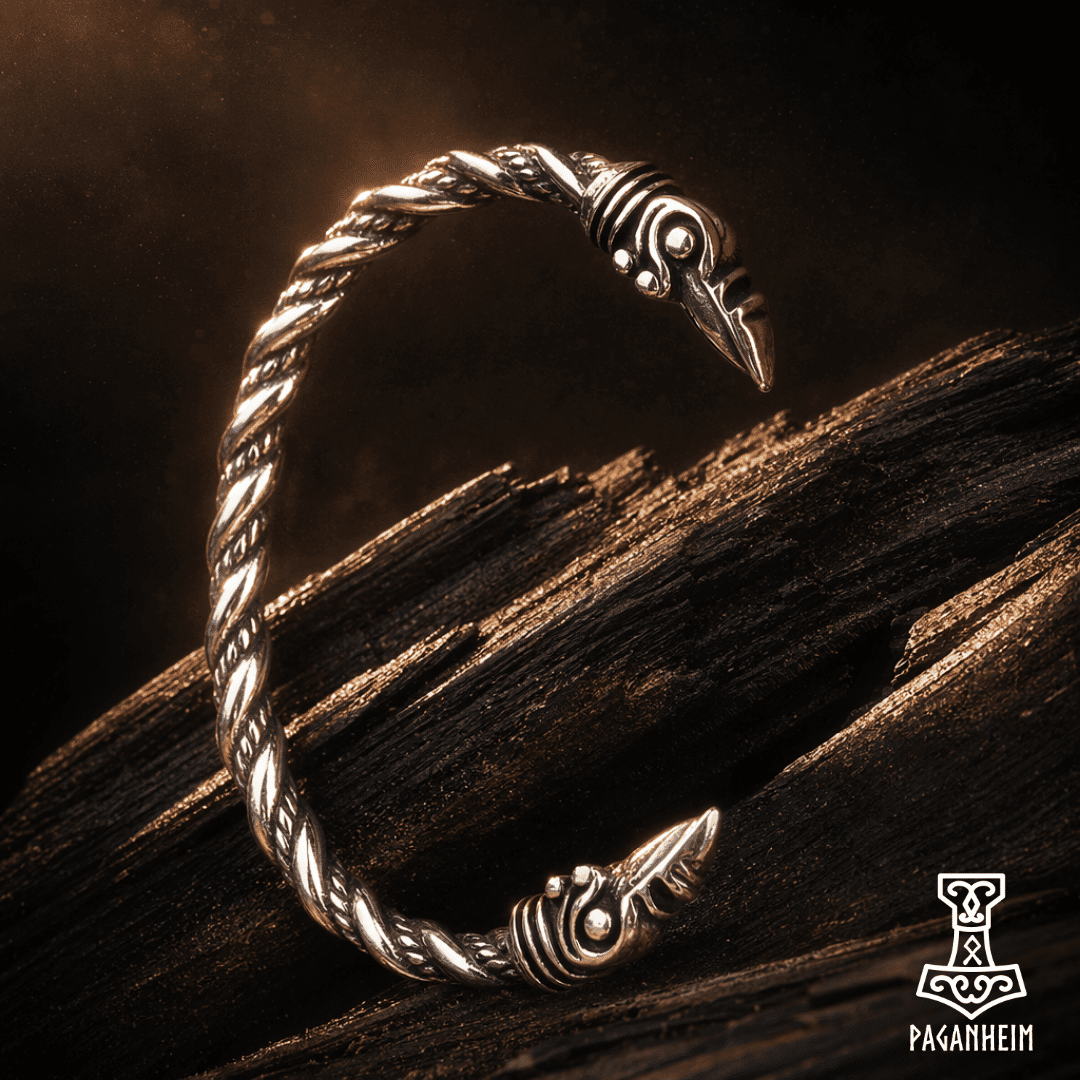
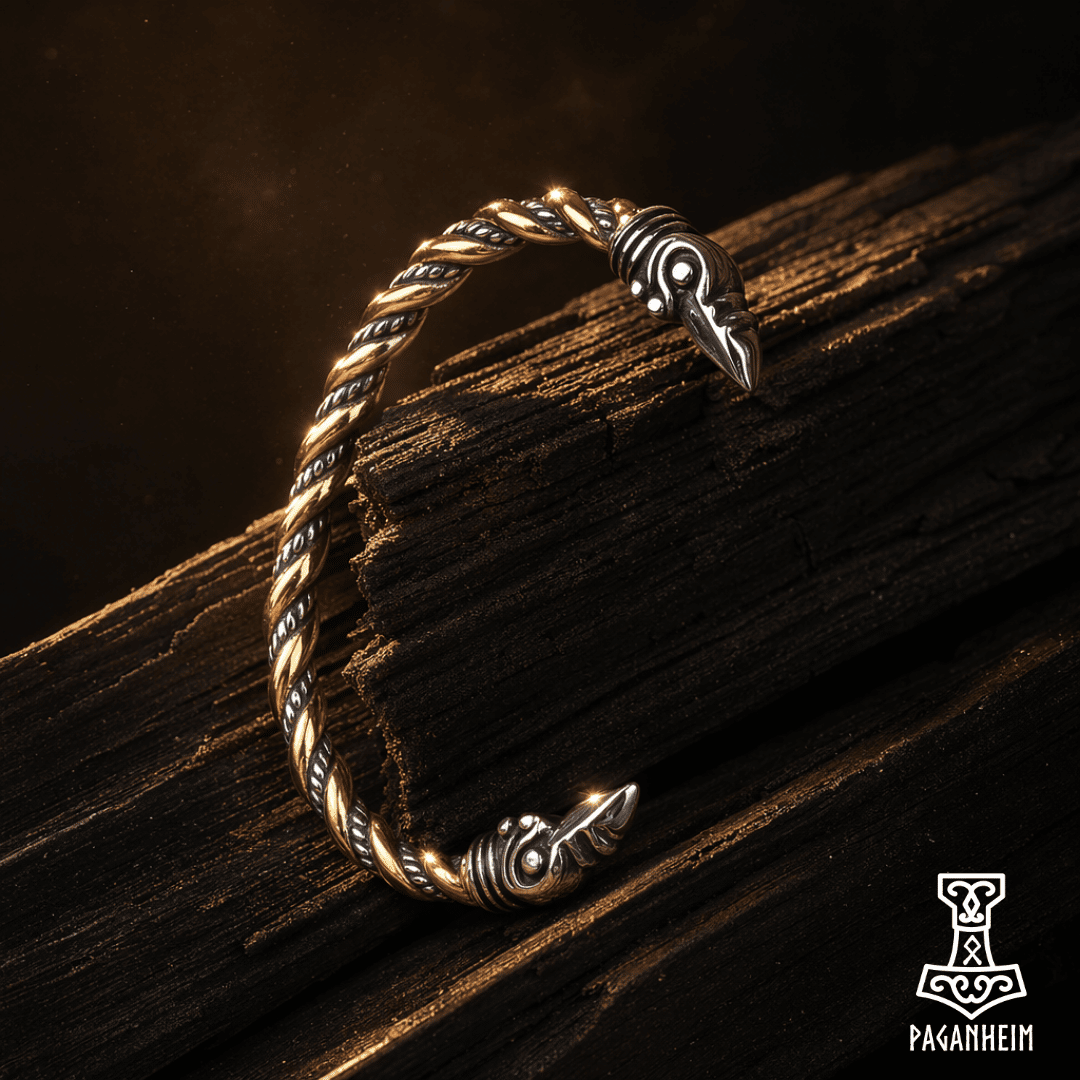
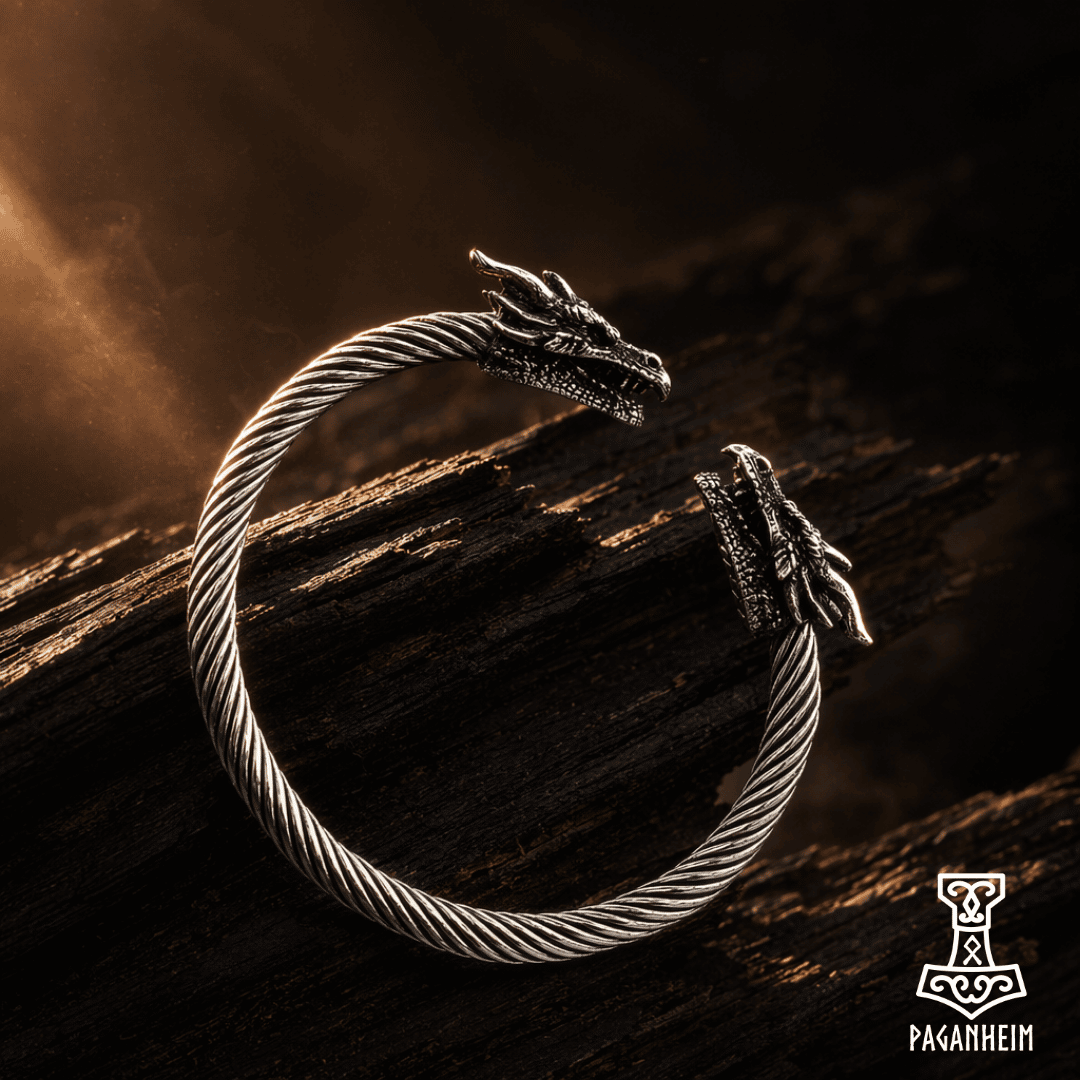
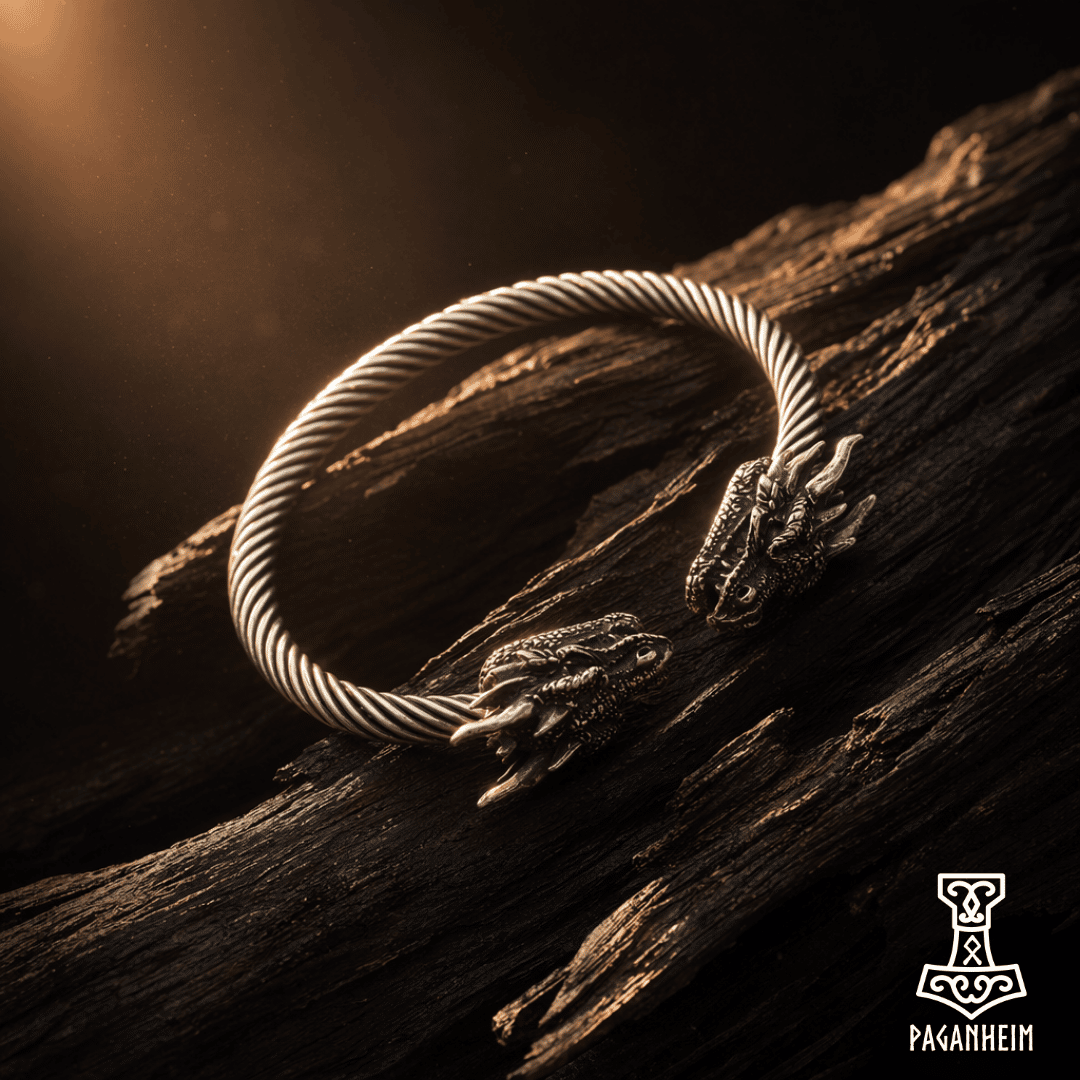
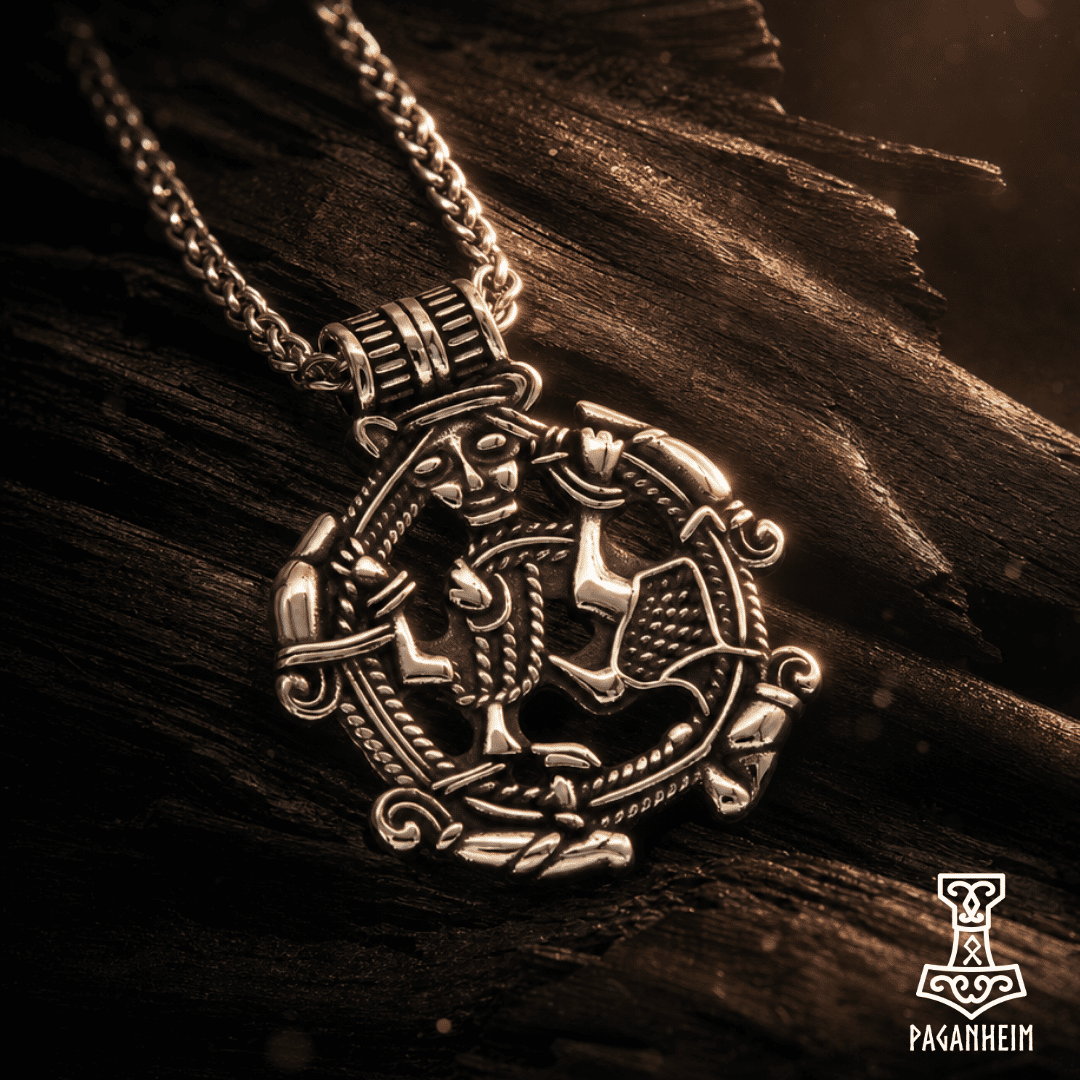
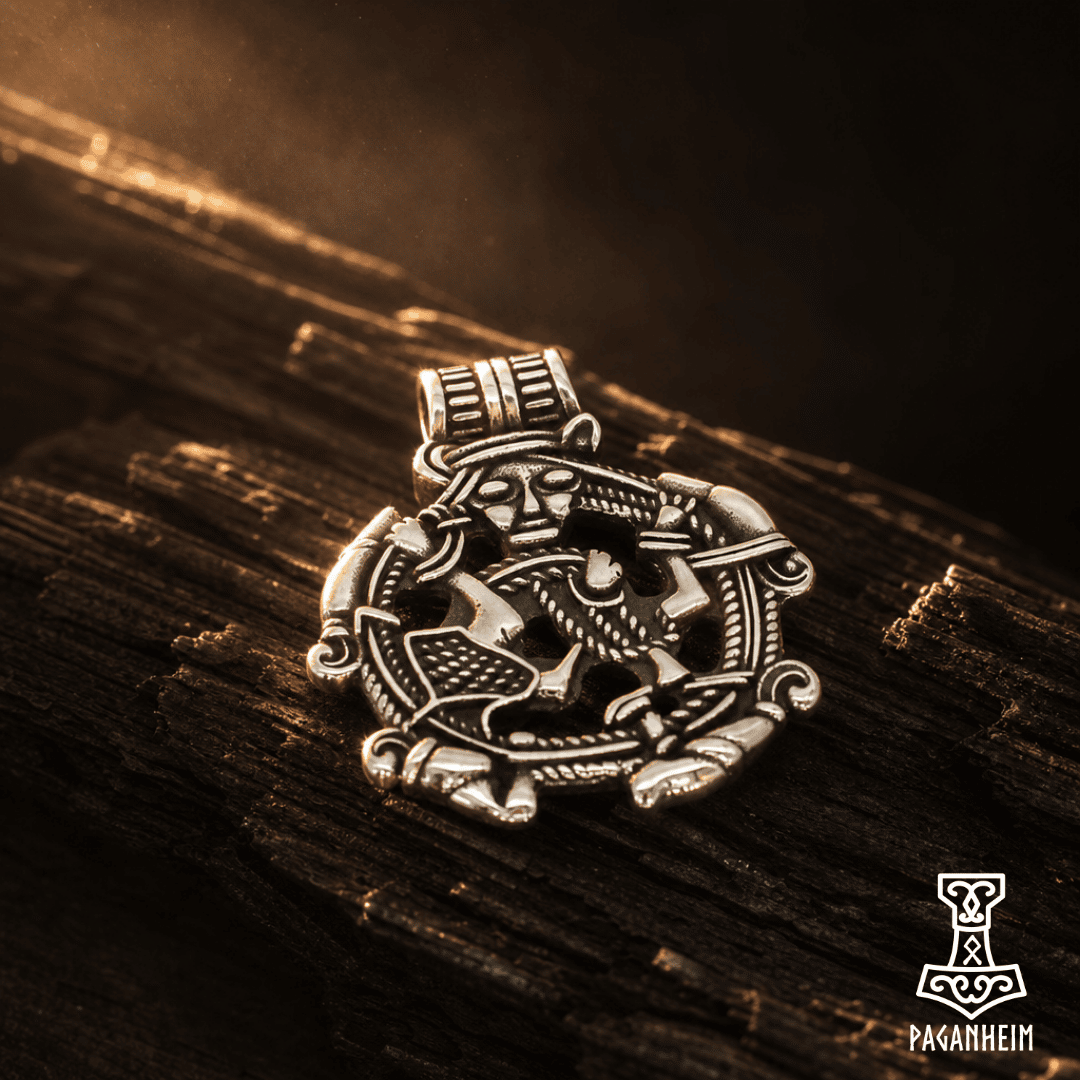
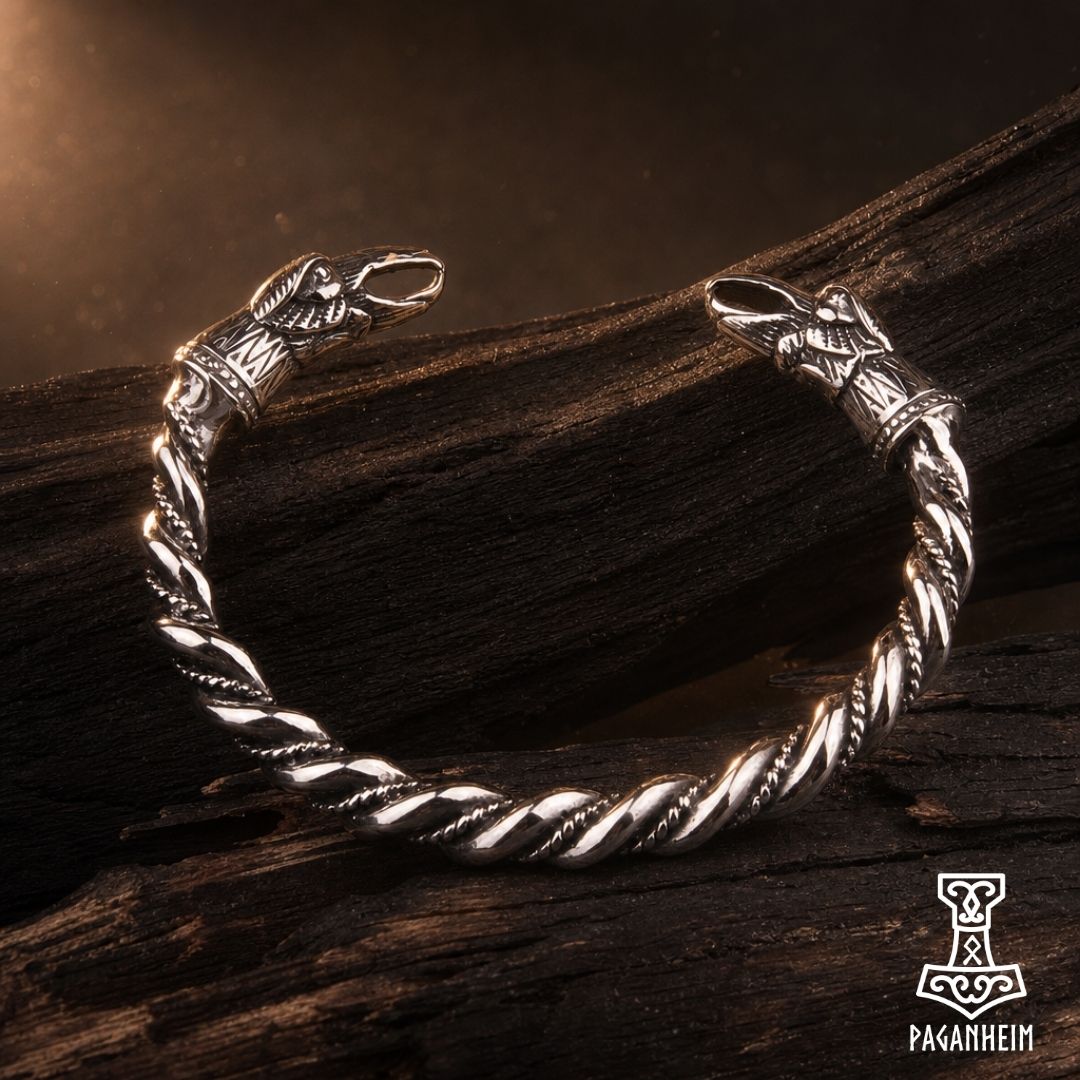
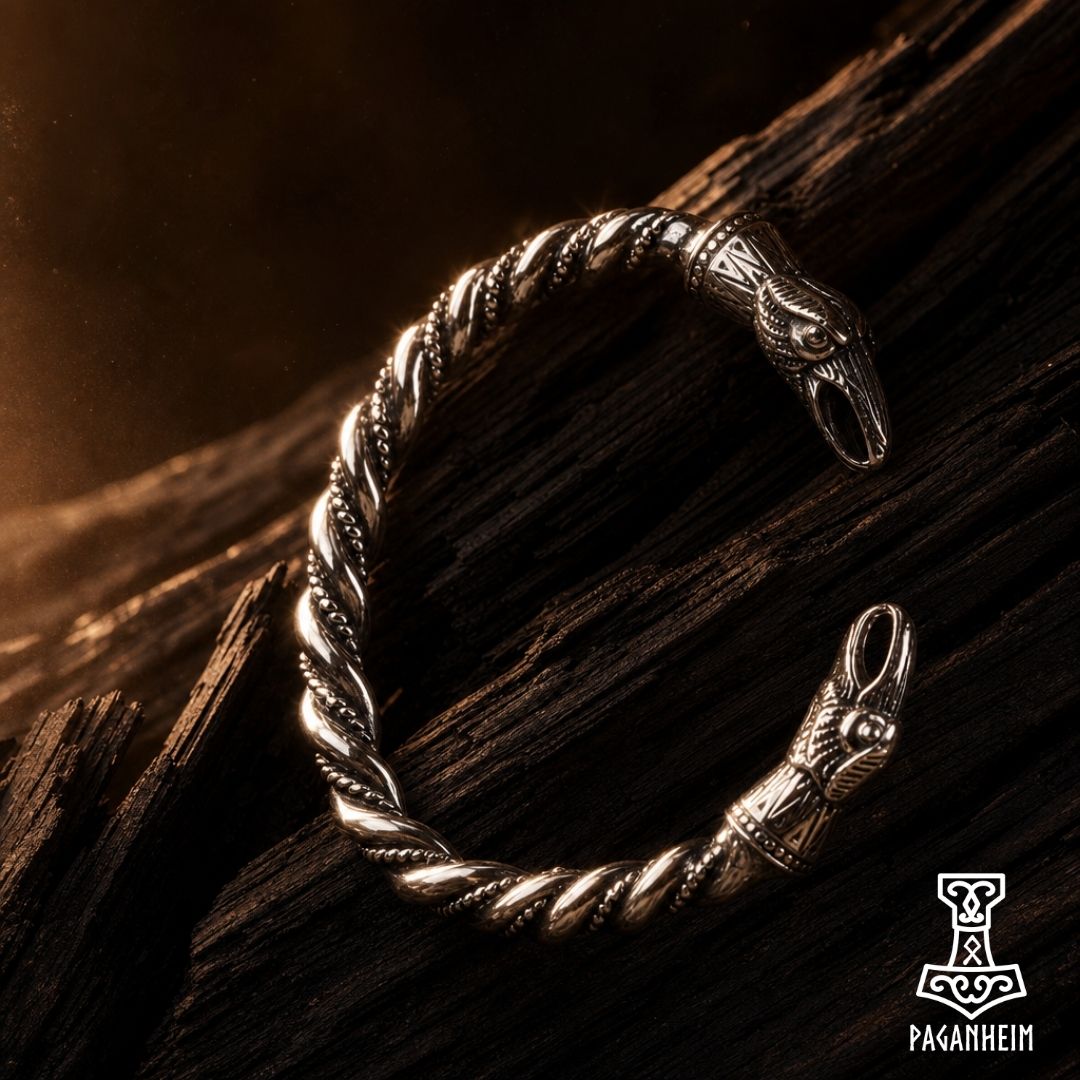
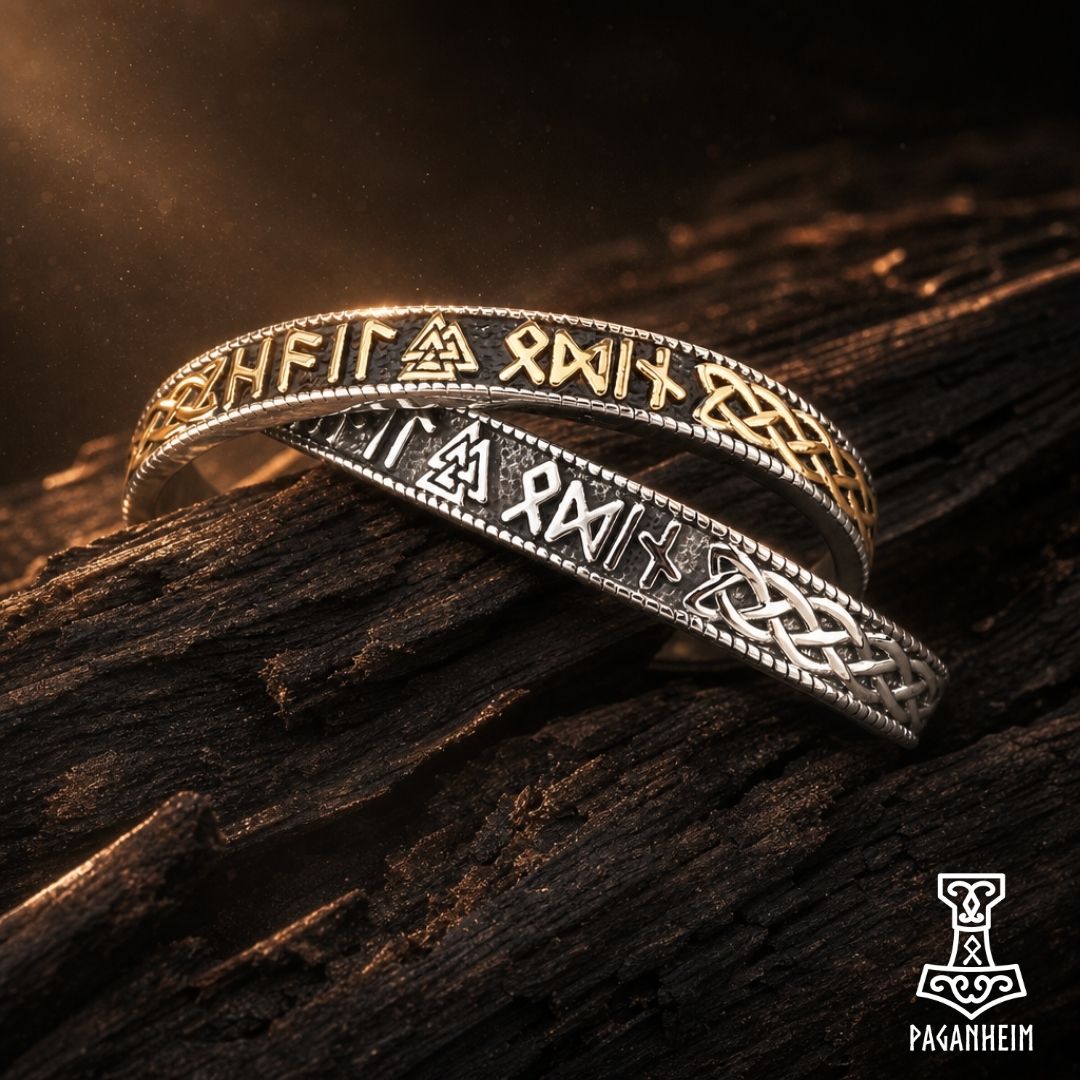
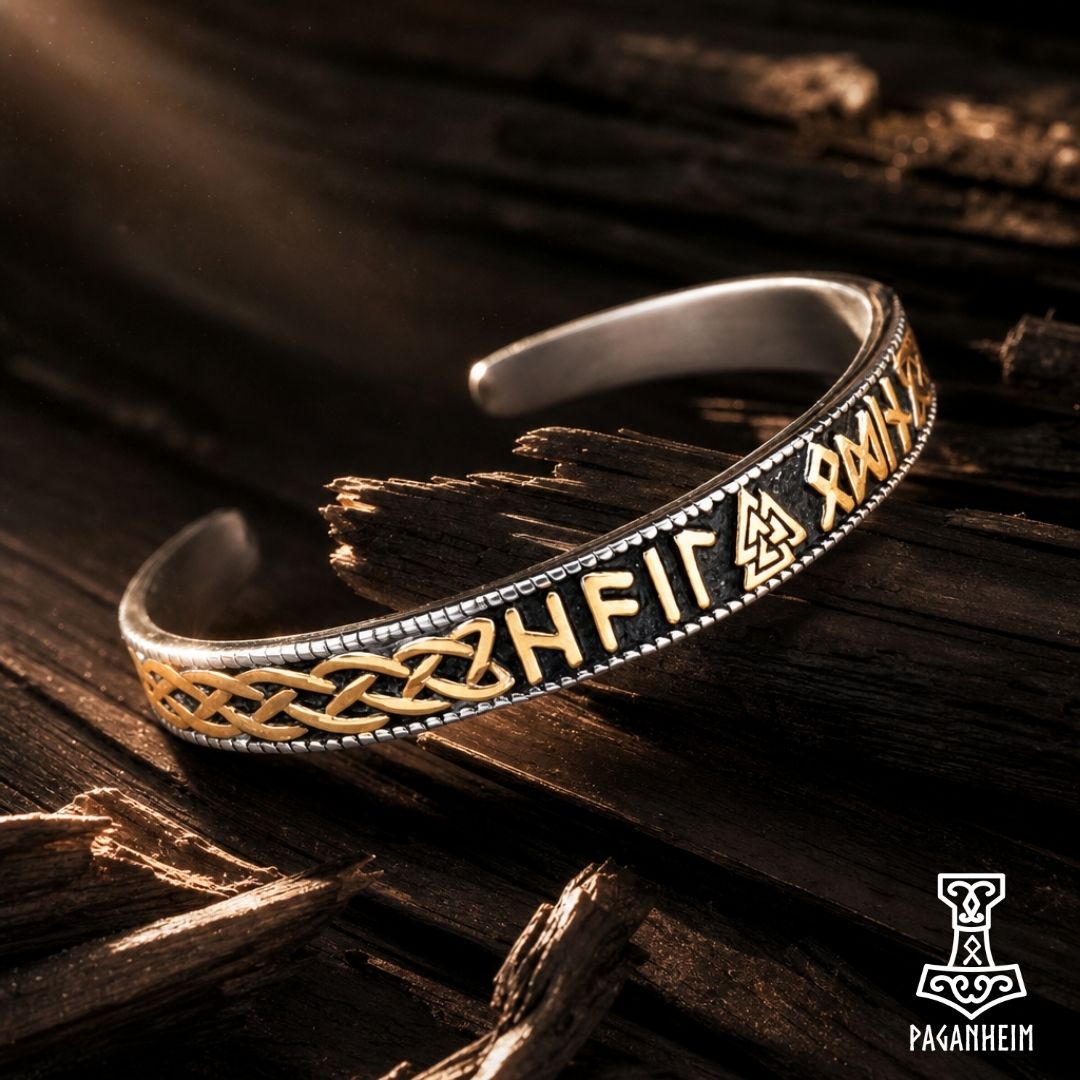
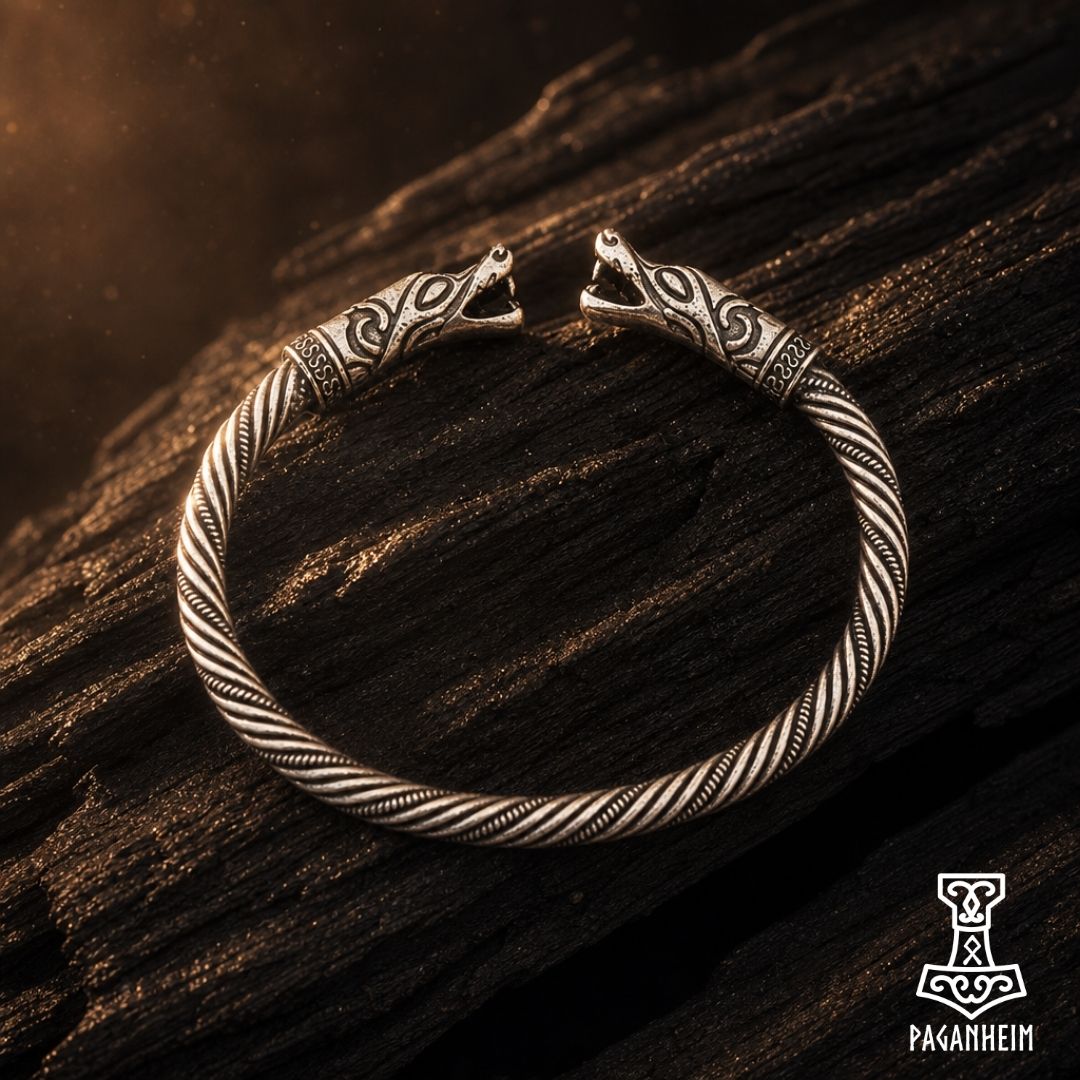
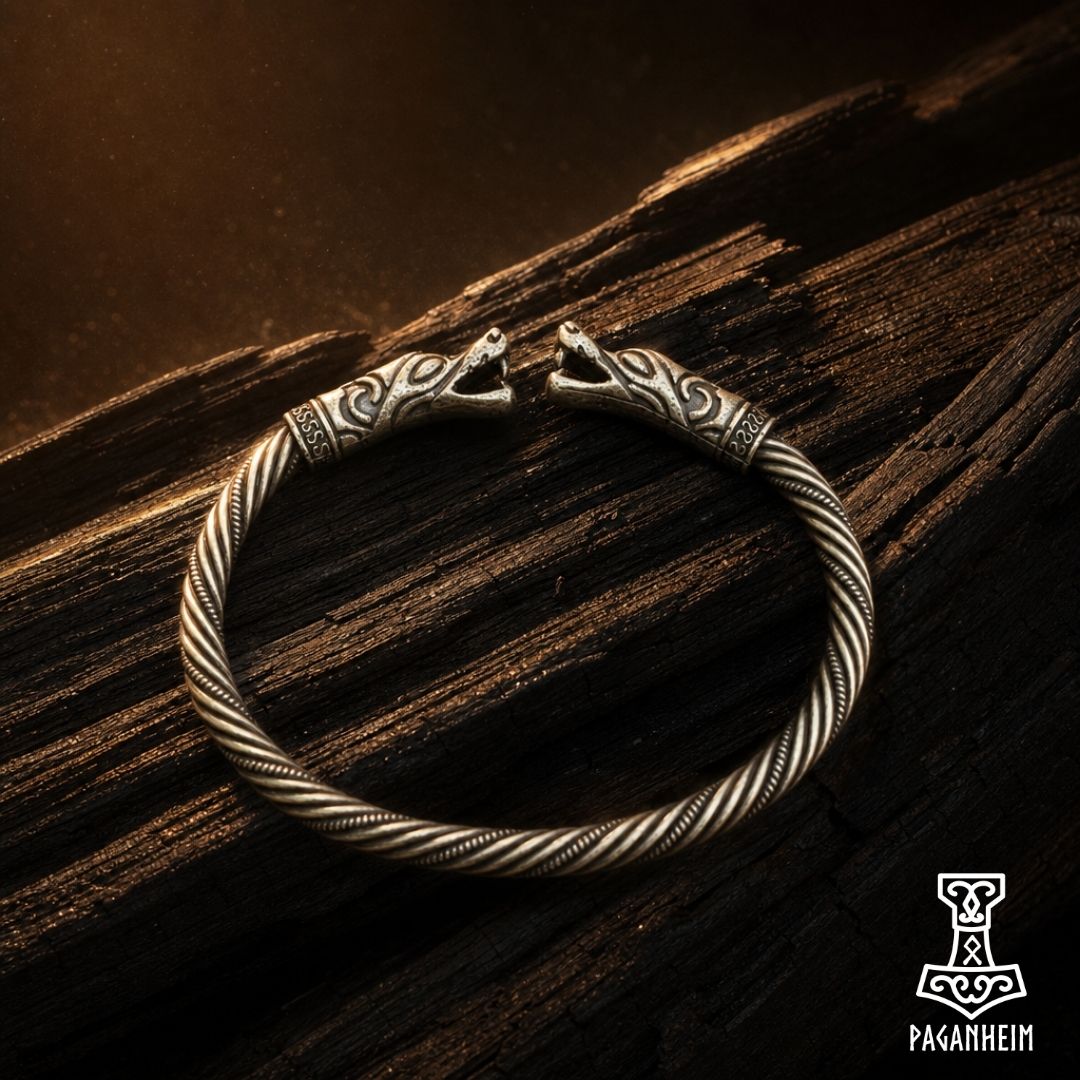
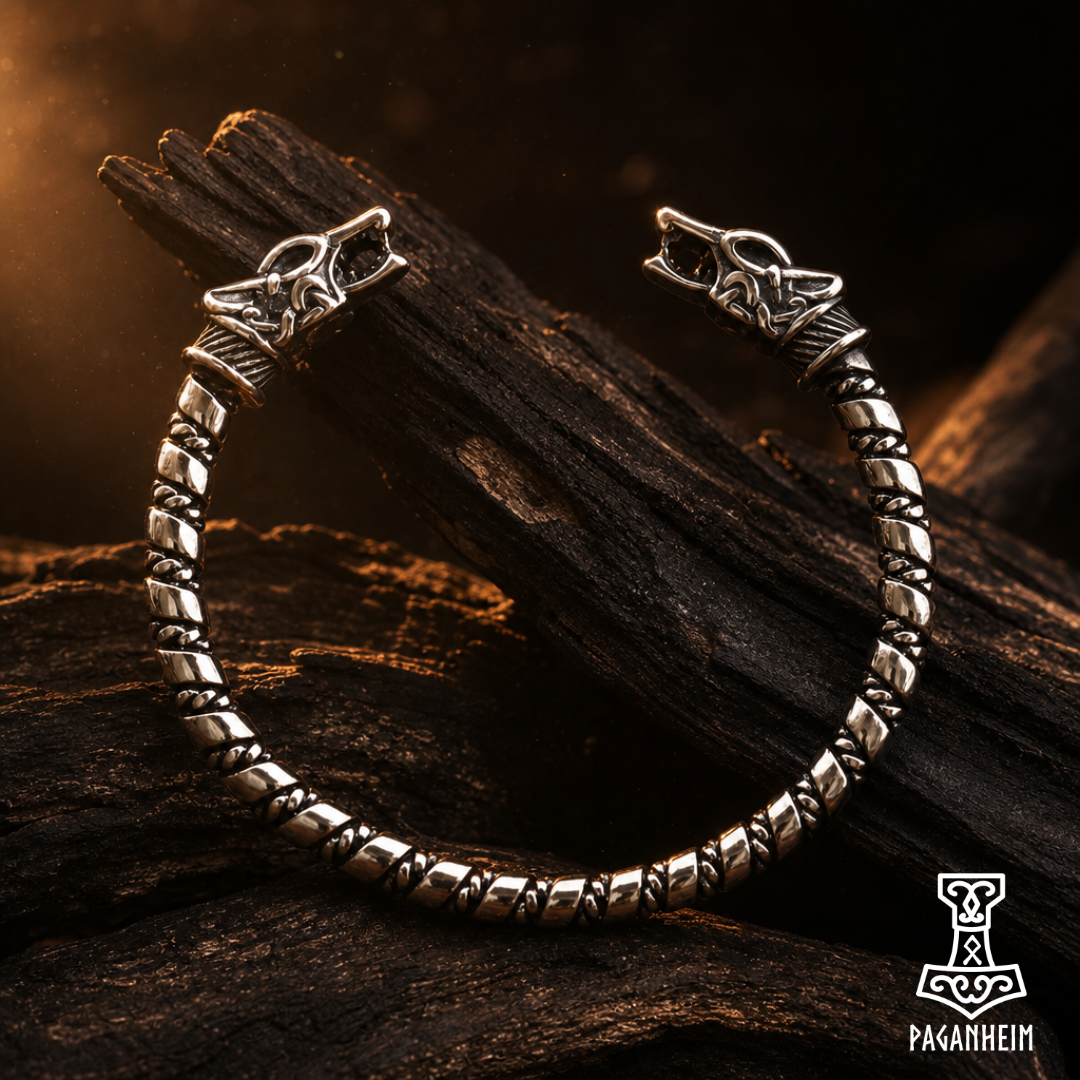
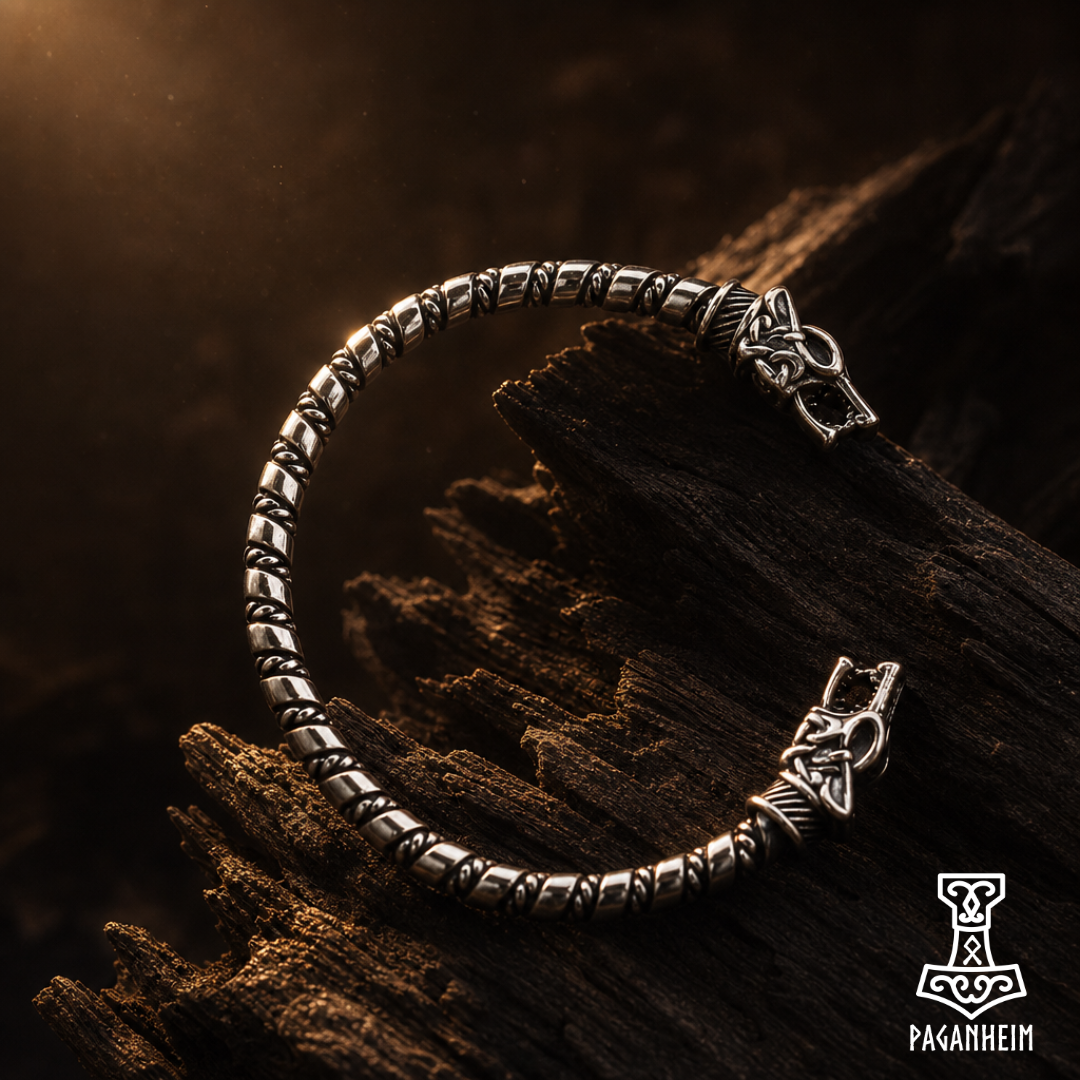
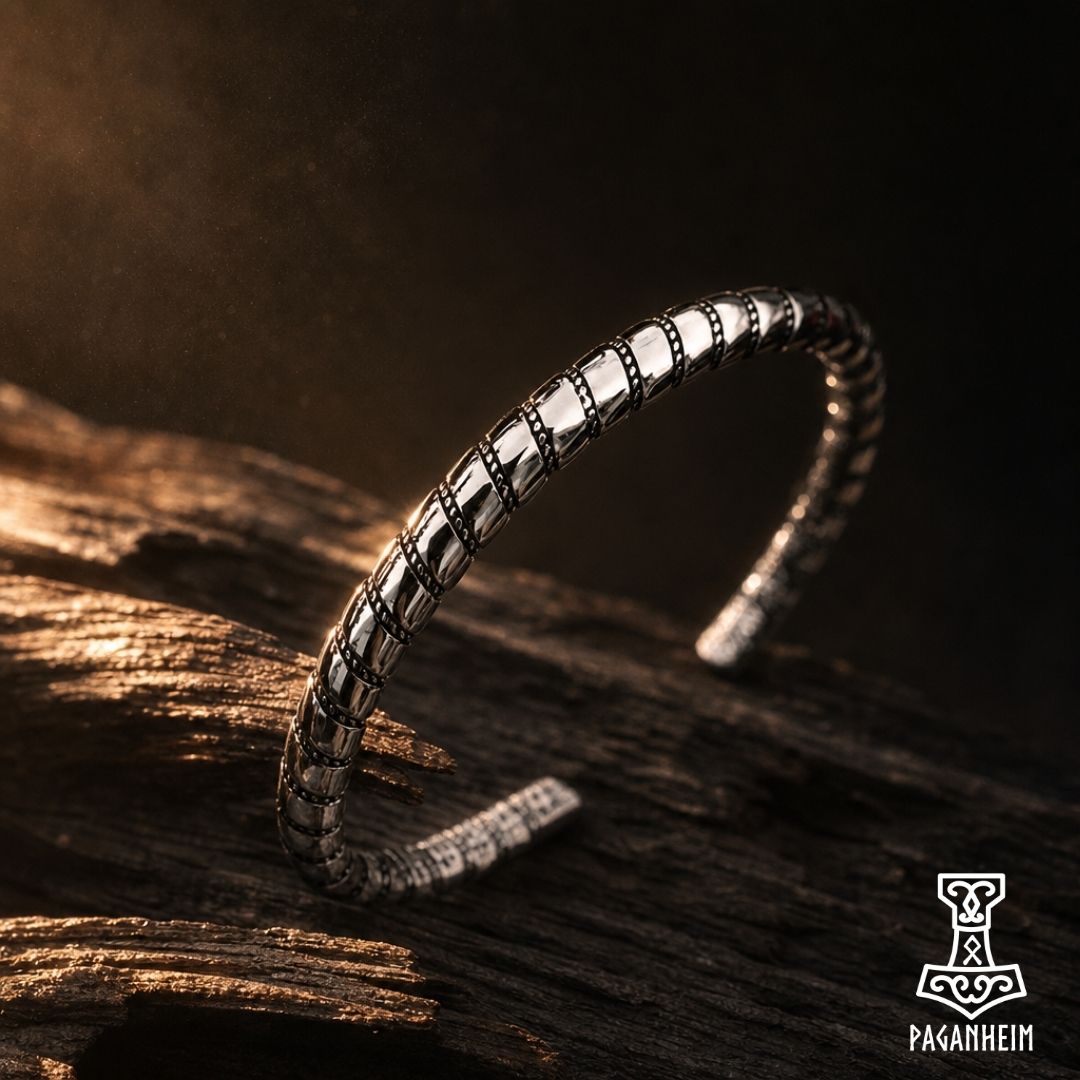
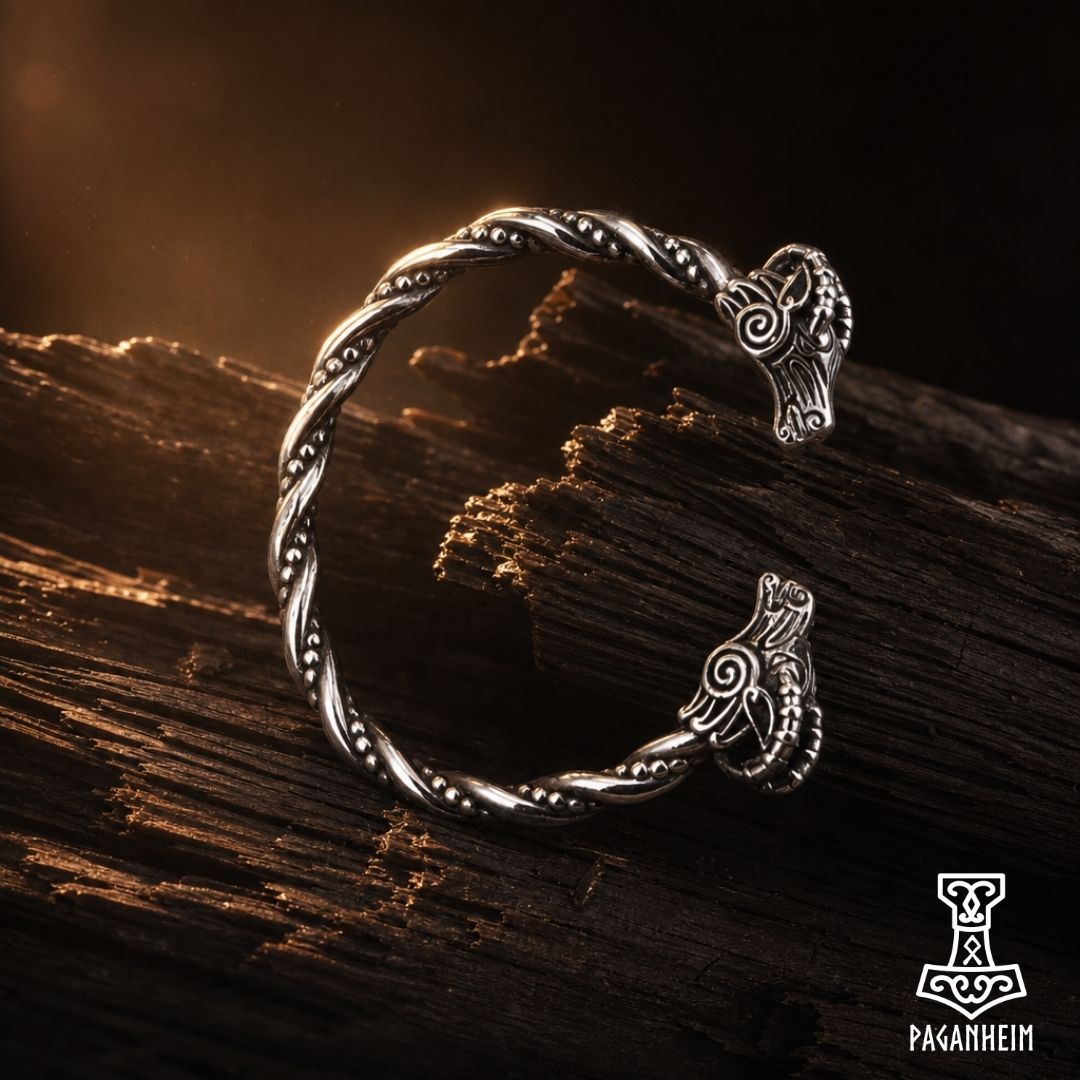
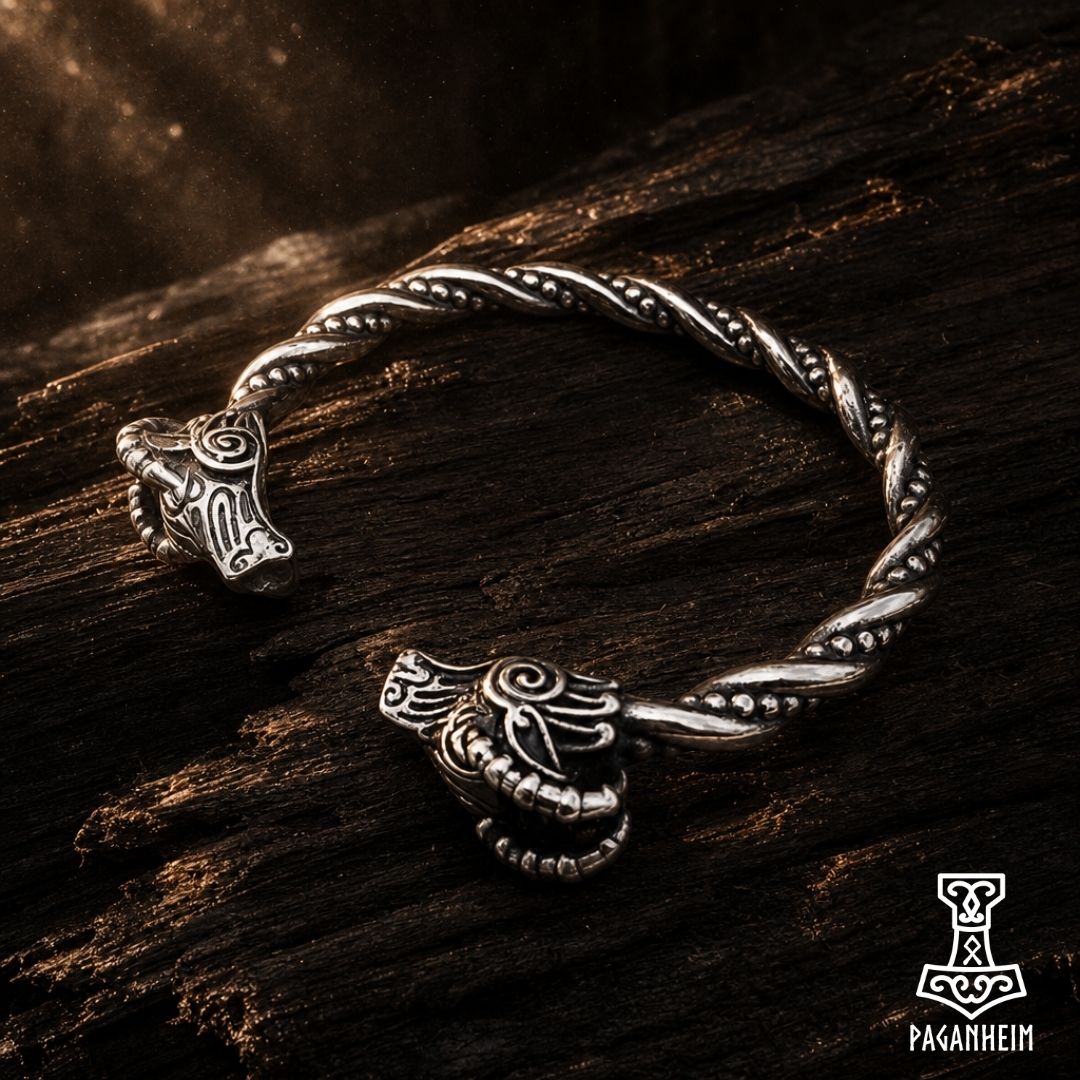
Buy 2 Get 1 Free
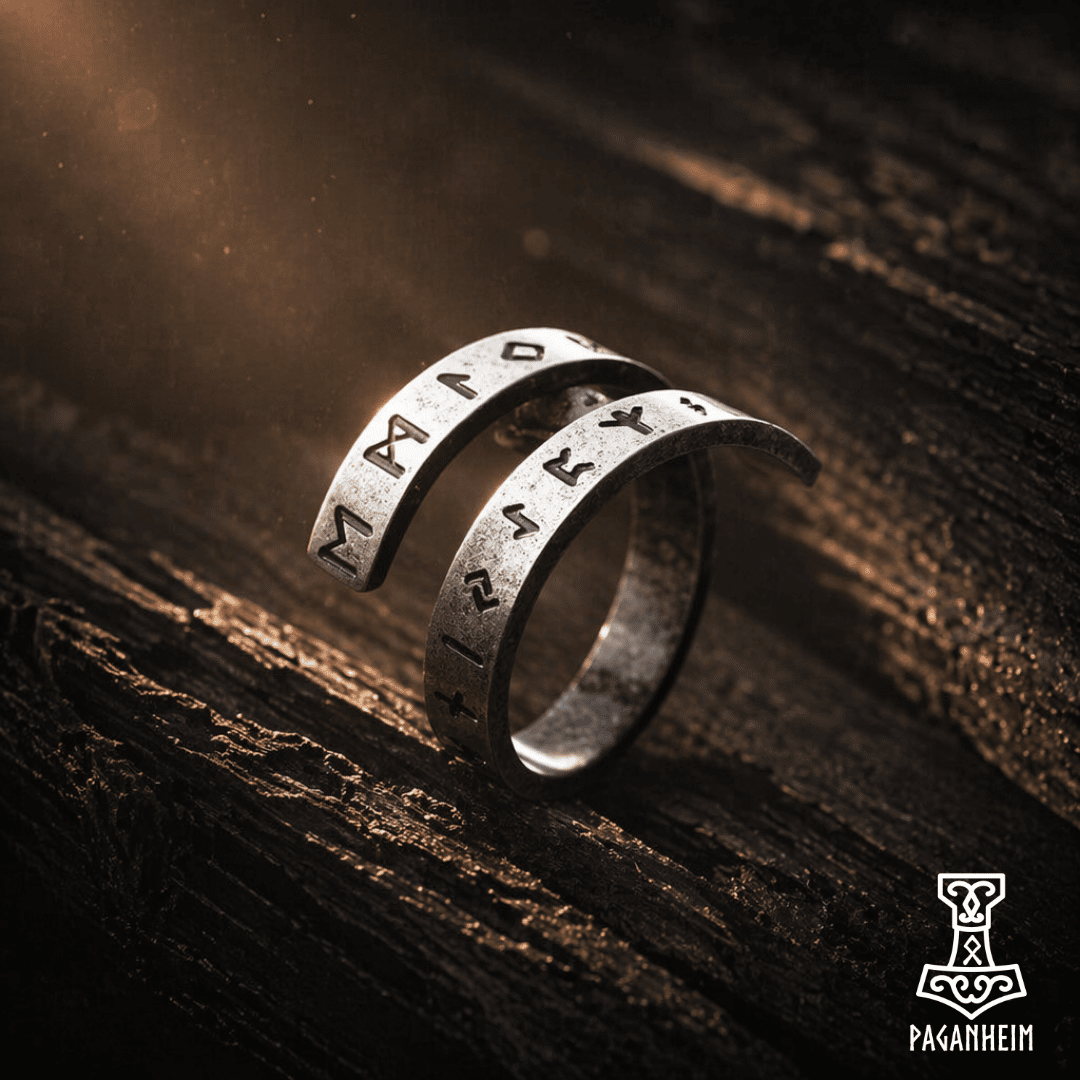
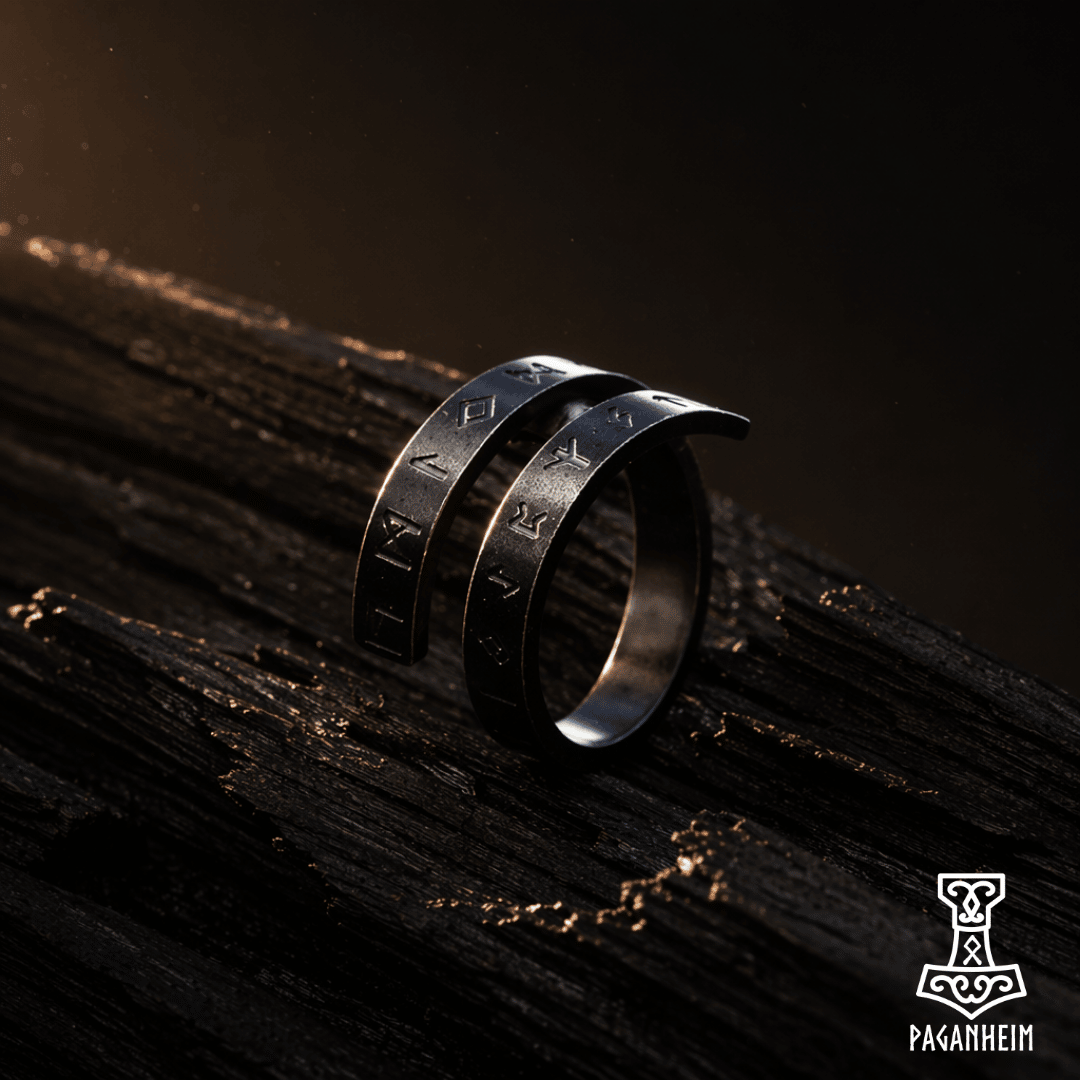
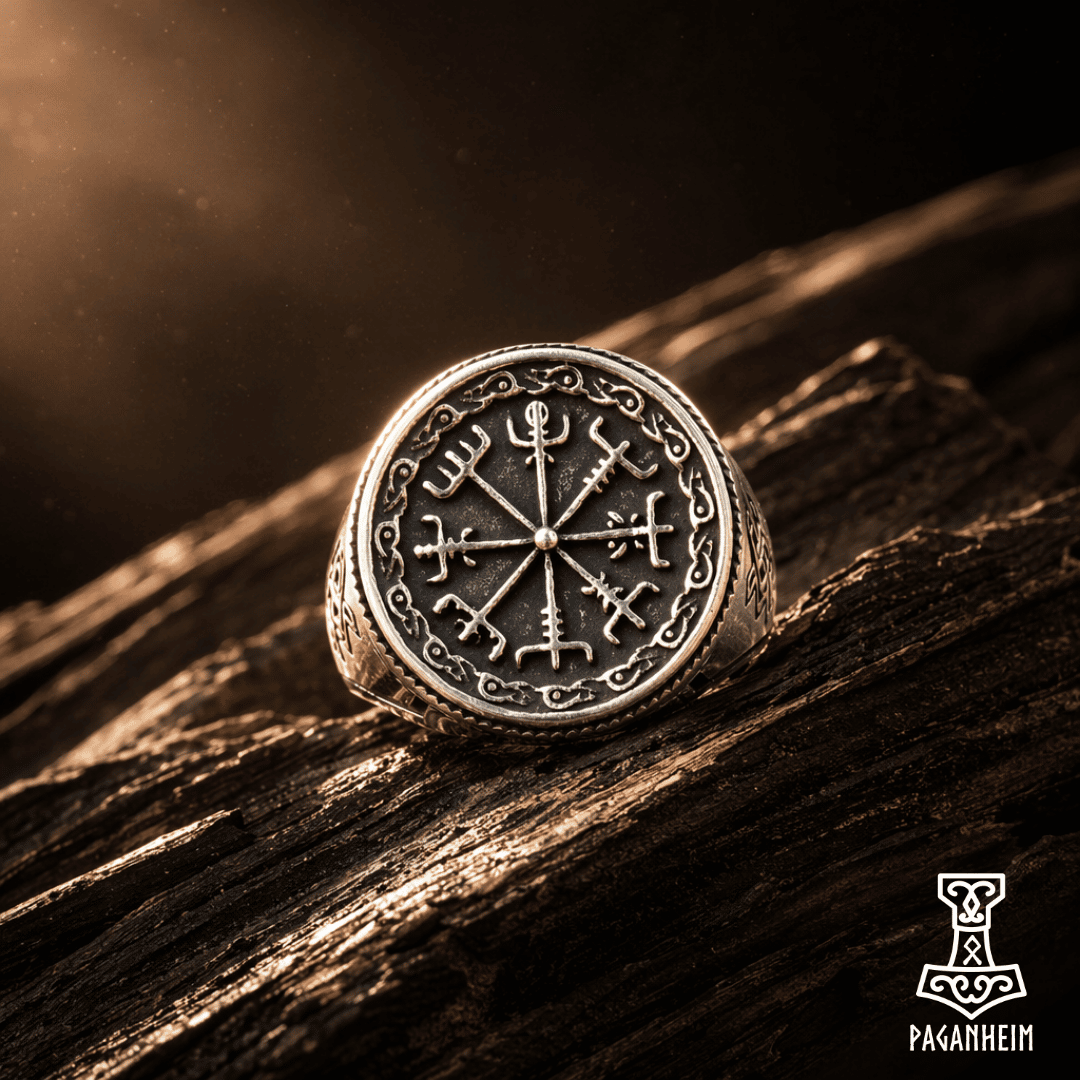
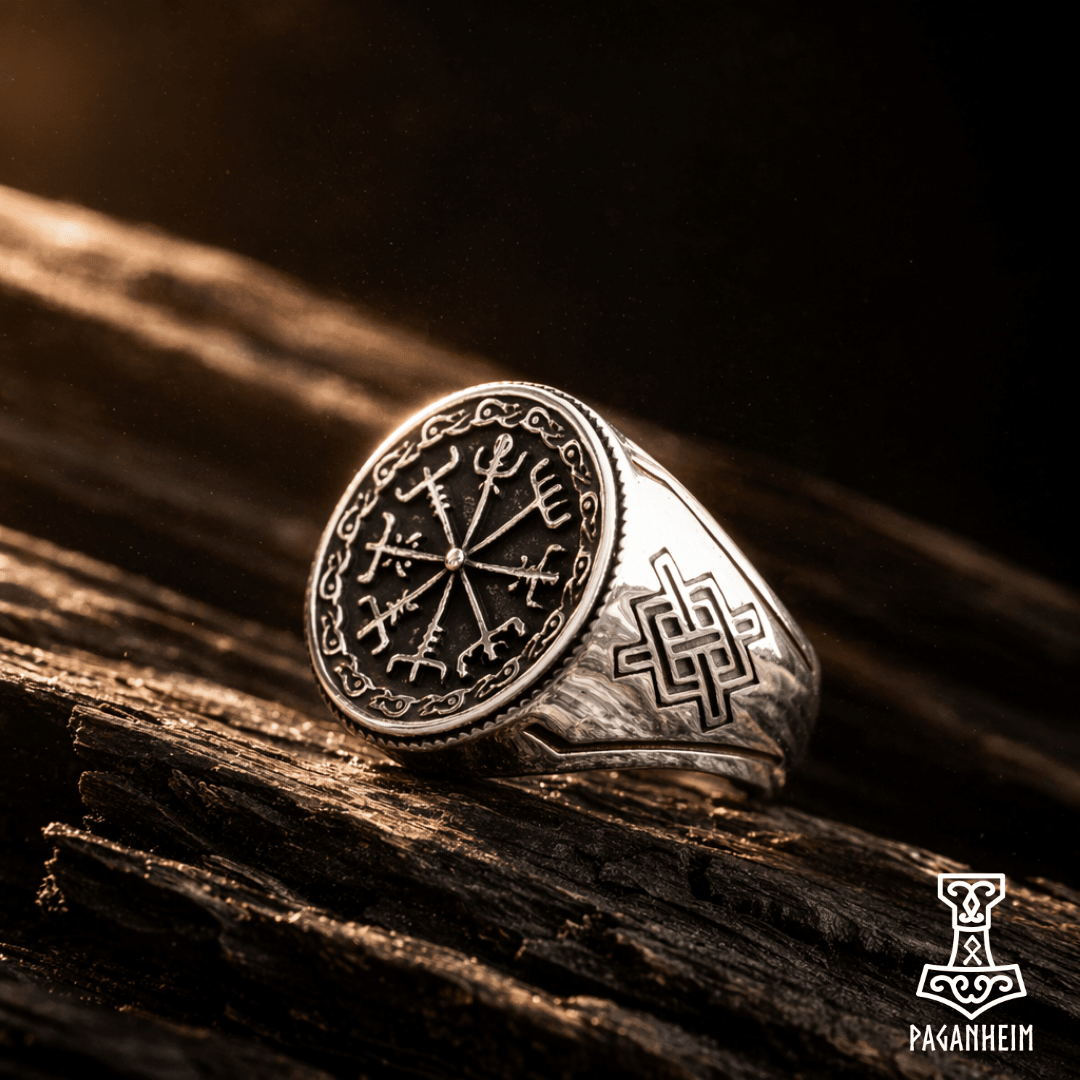
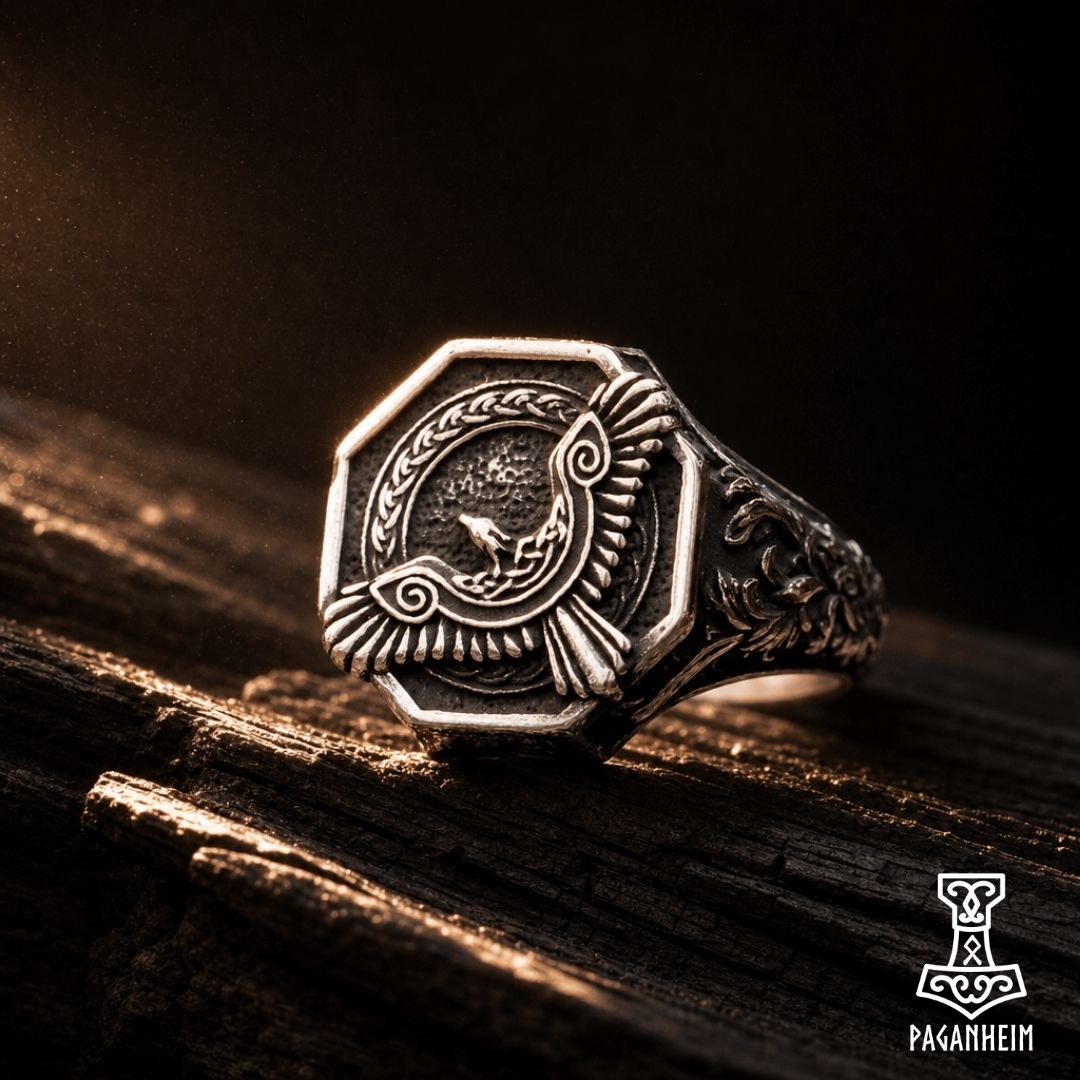
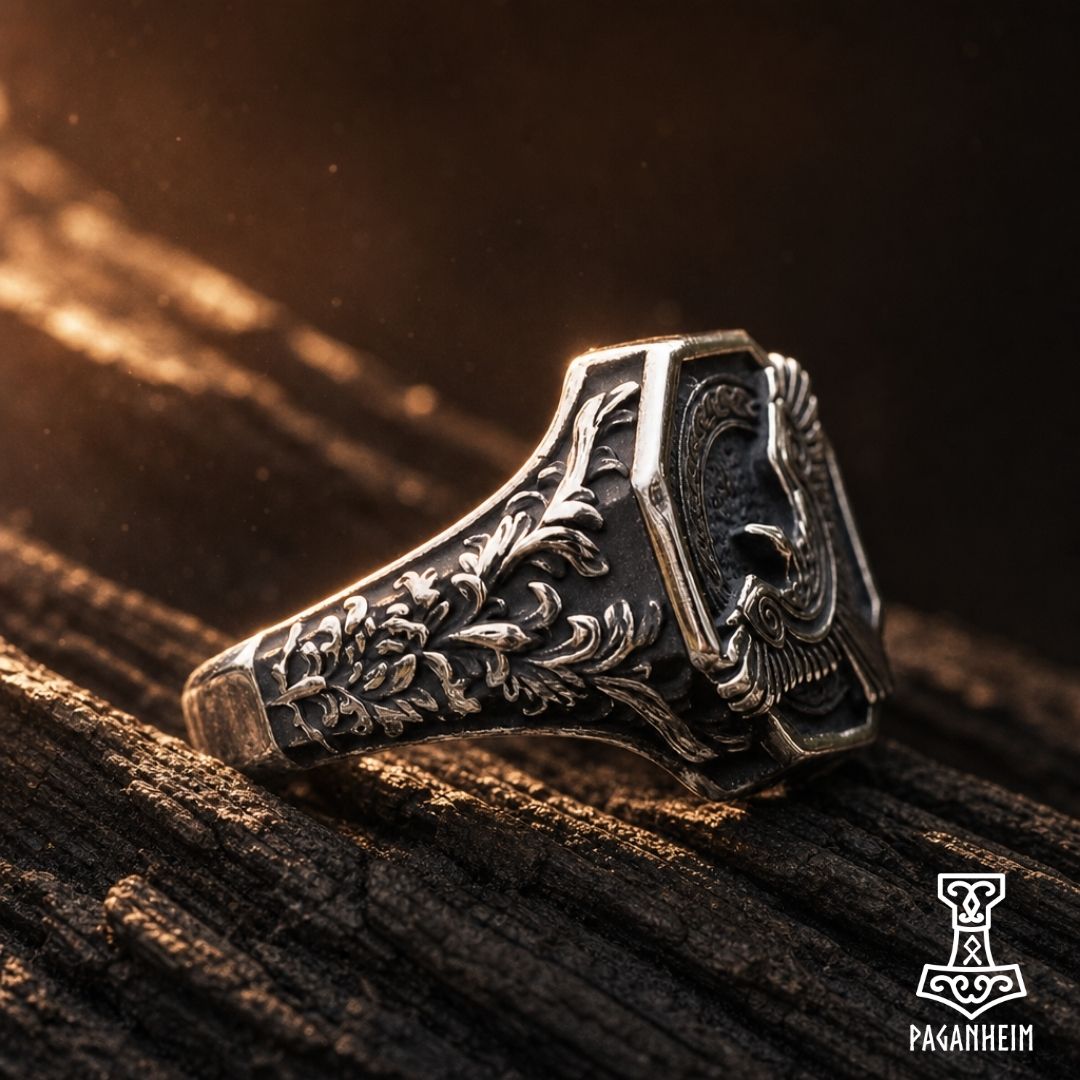
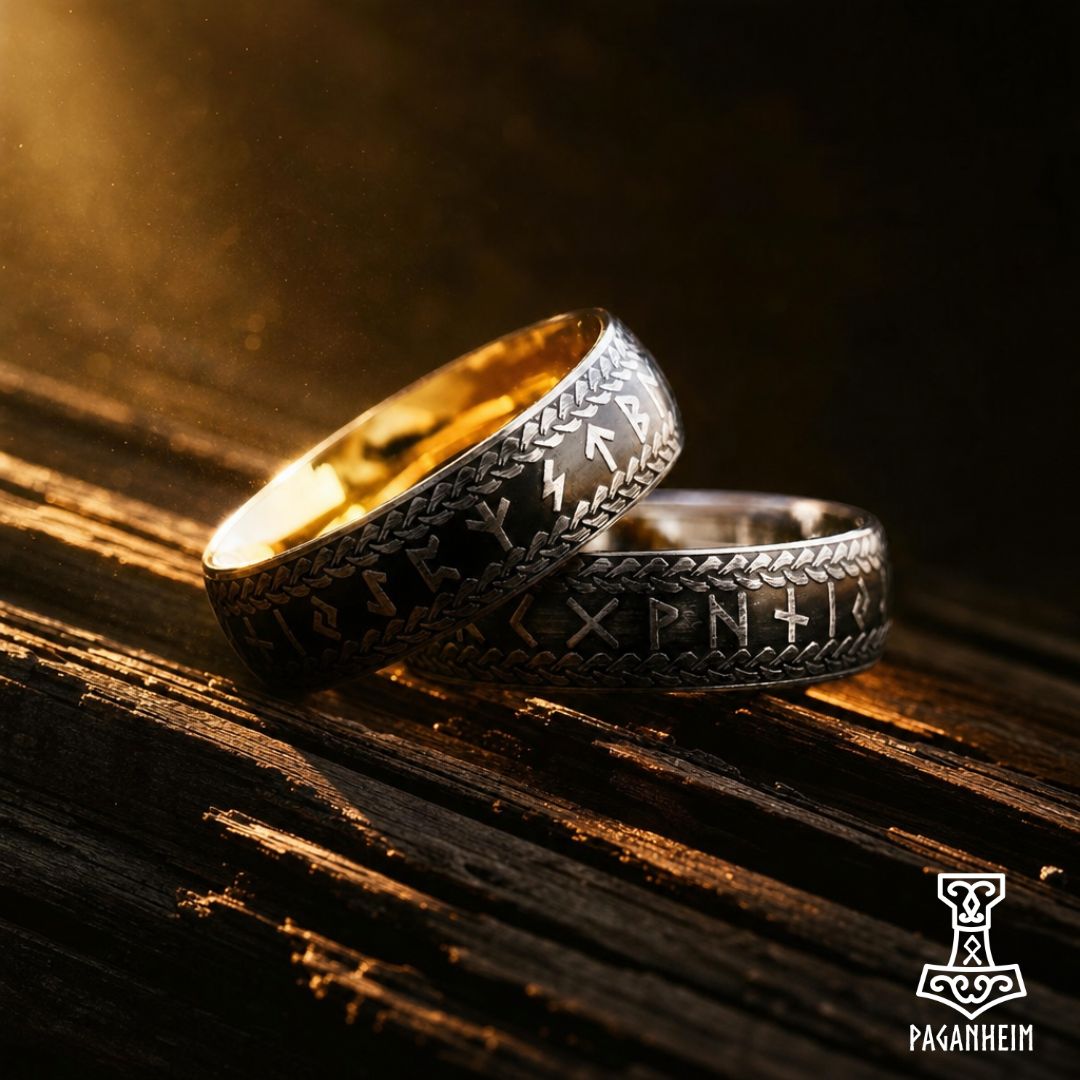
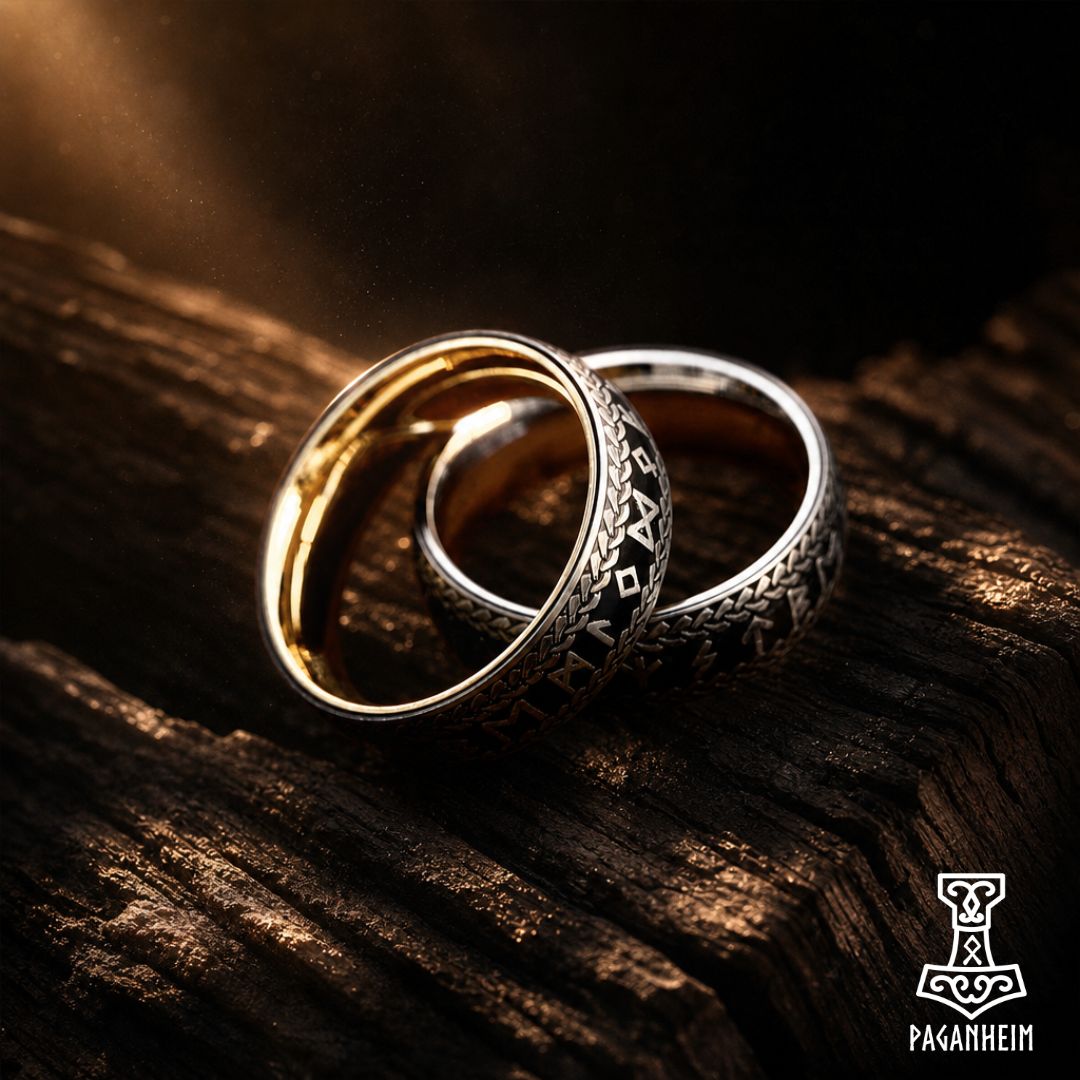
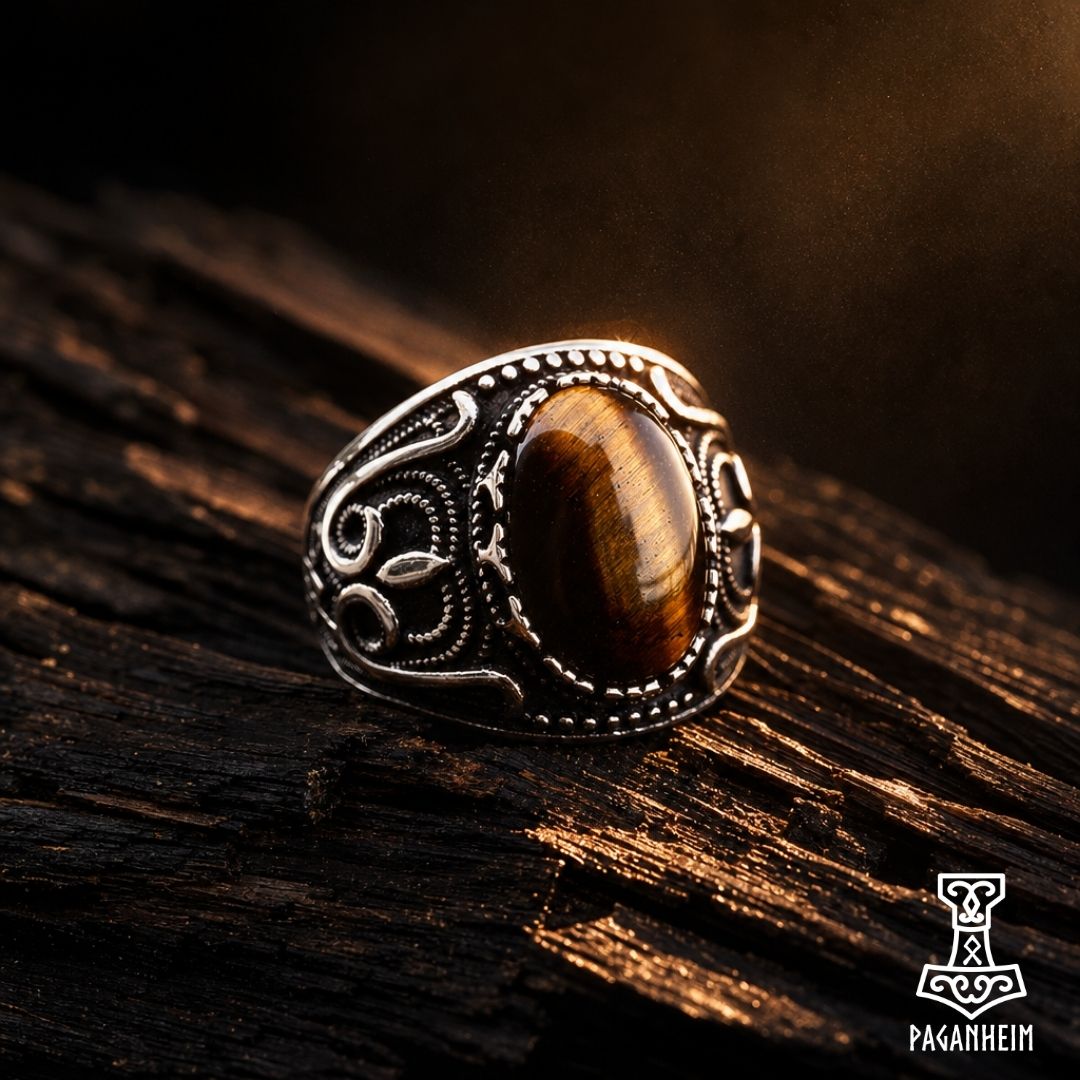
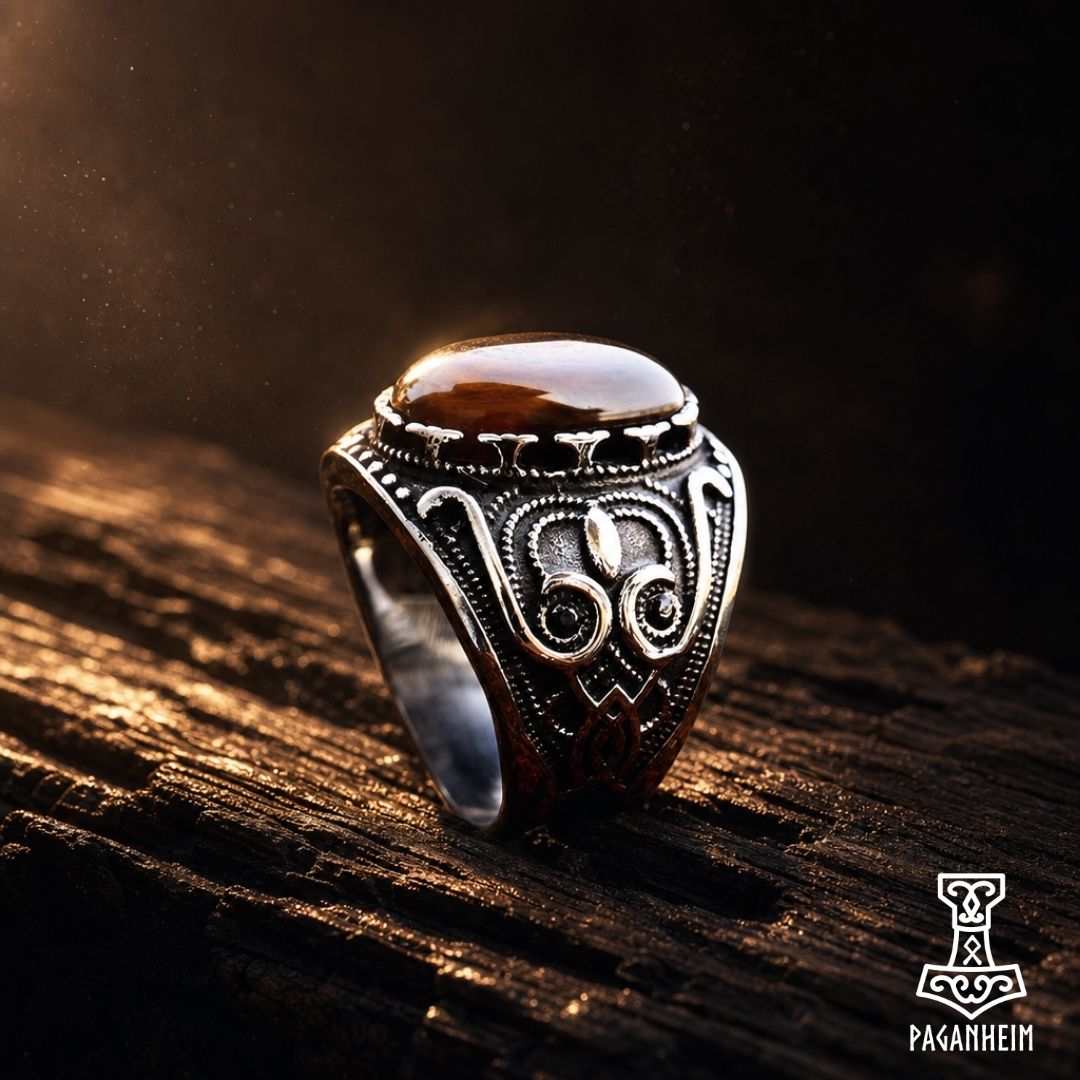
Rings
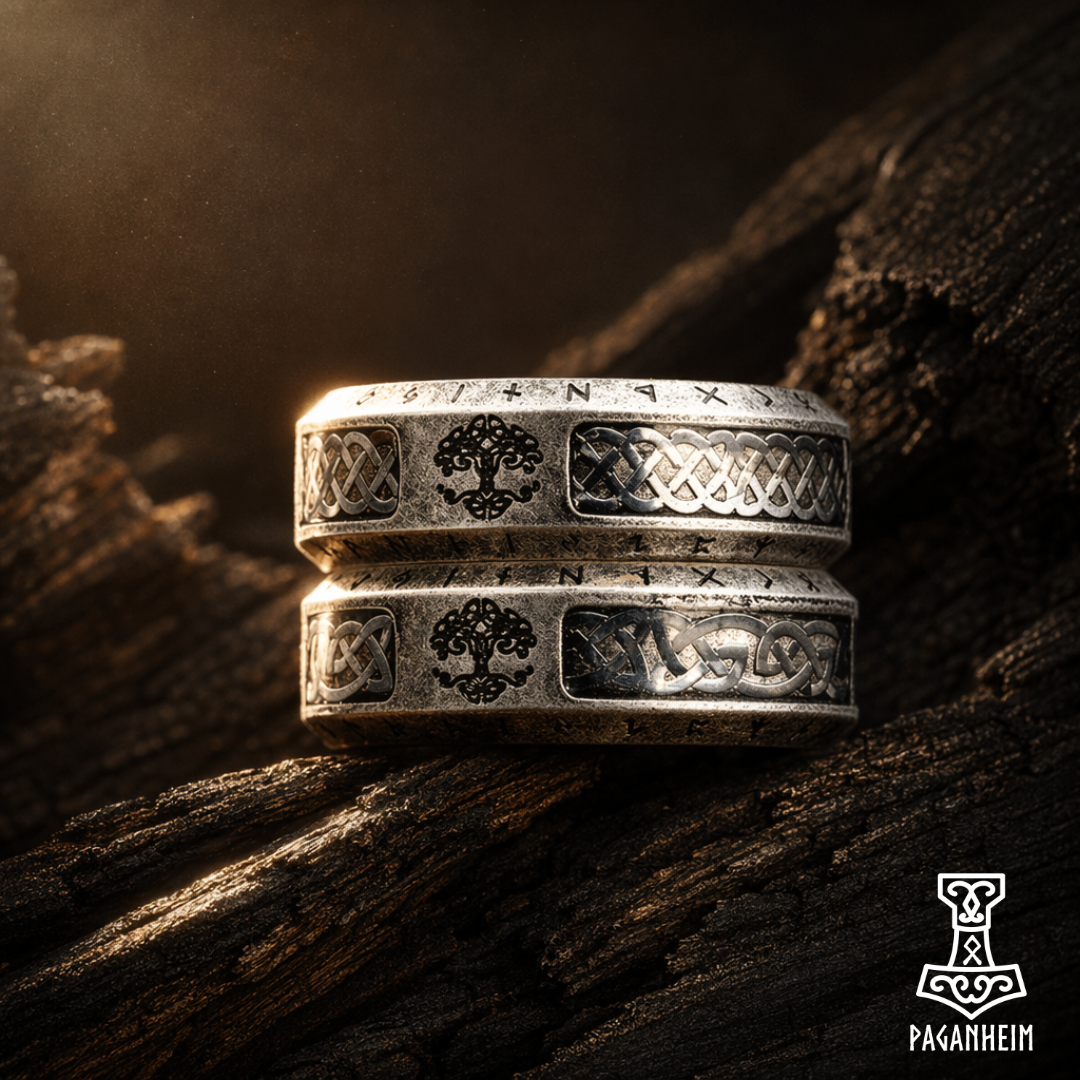
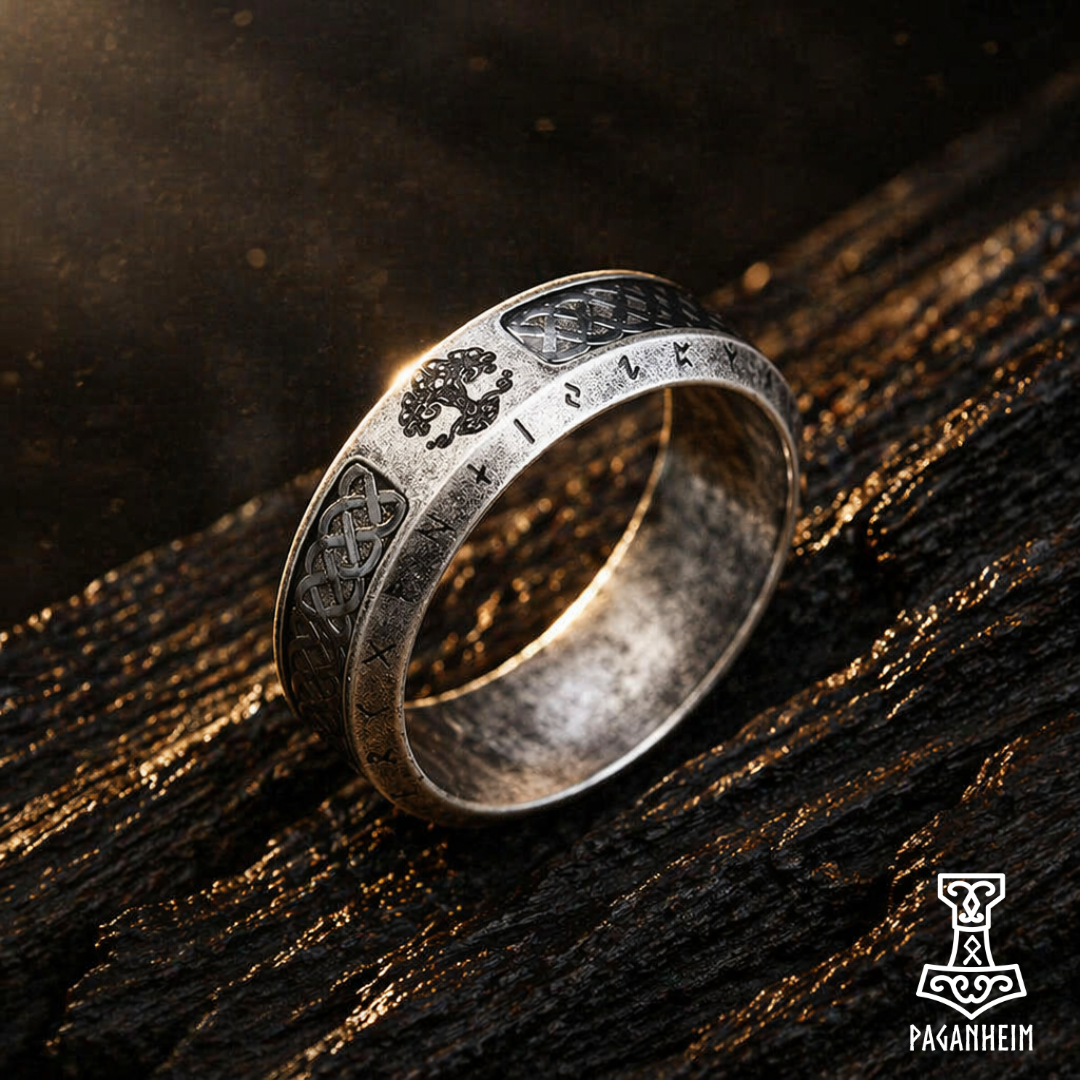
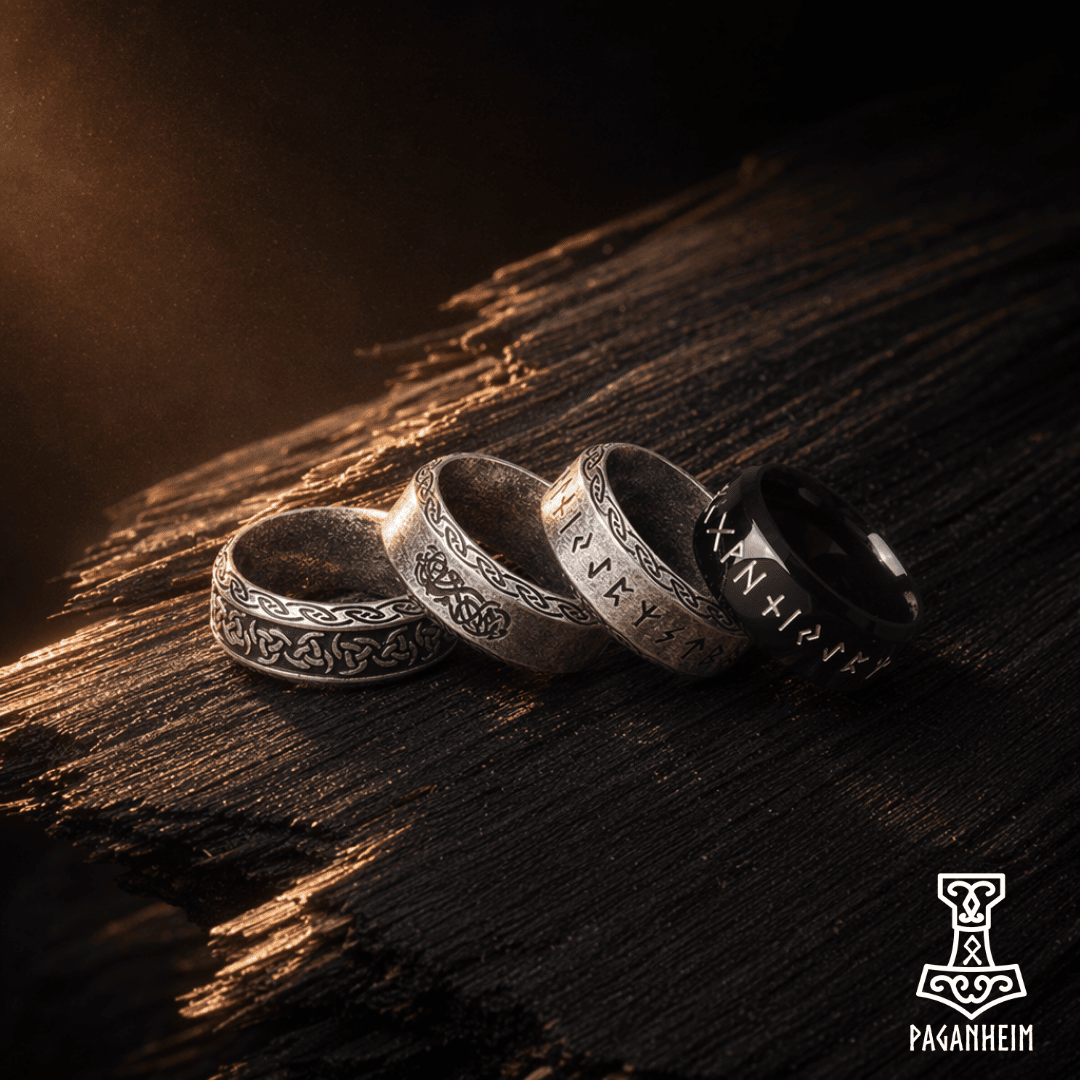
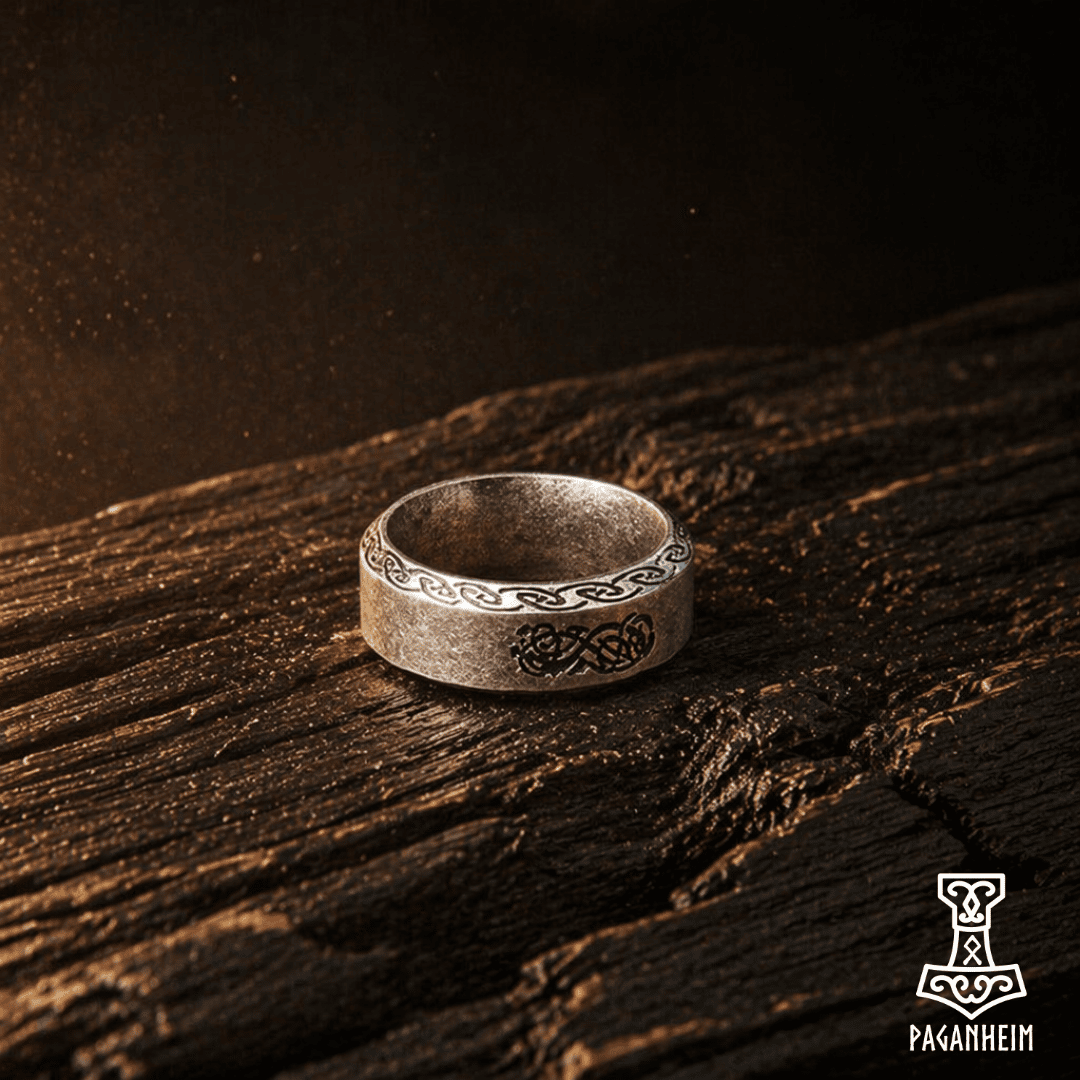
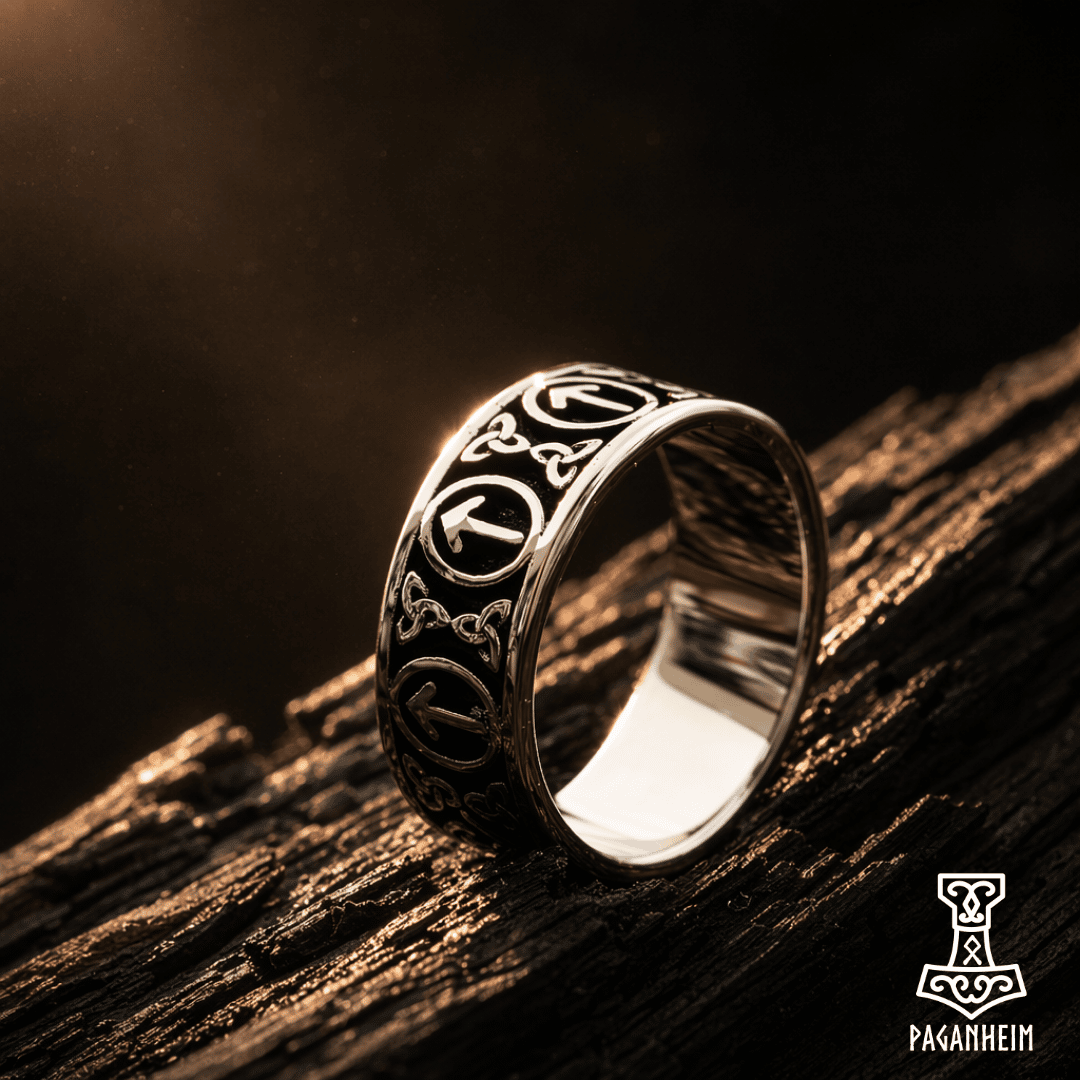
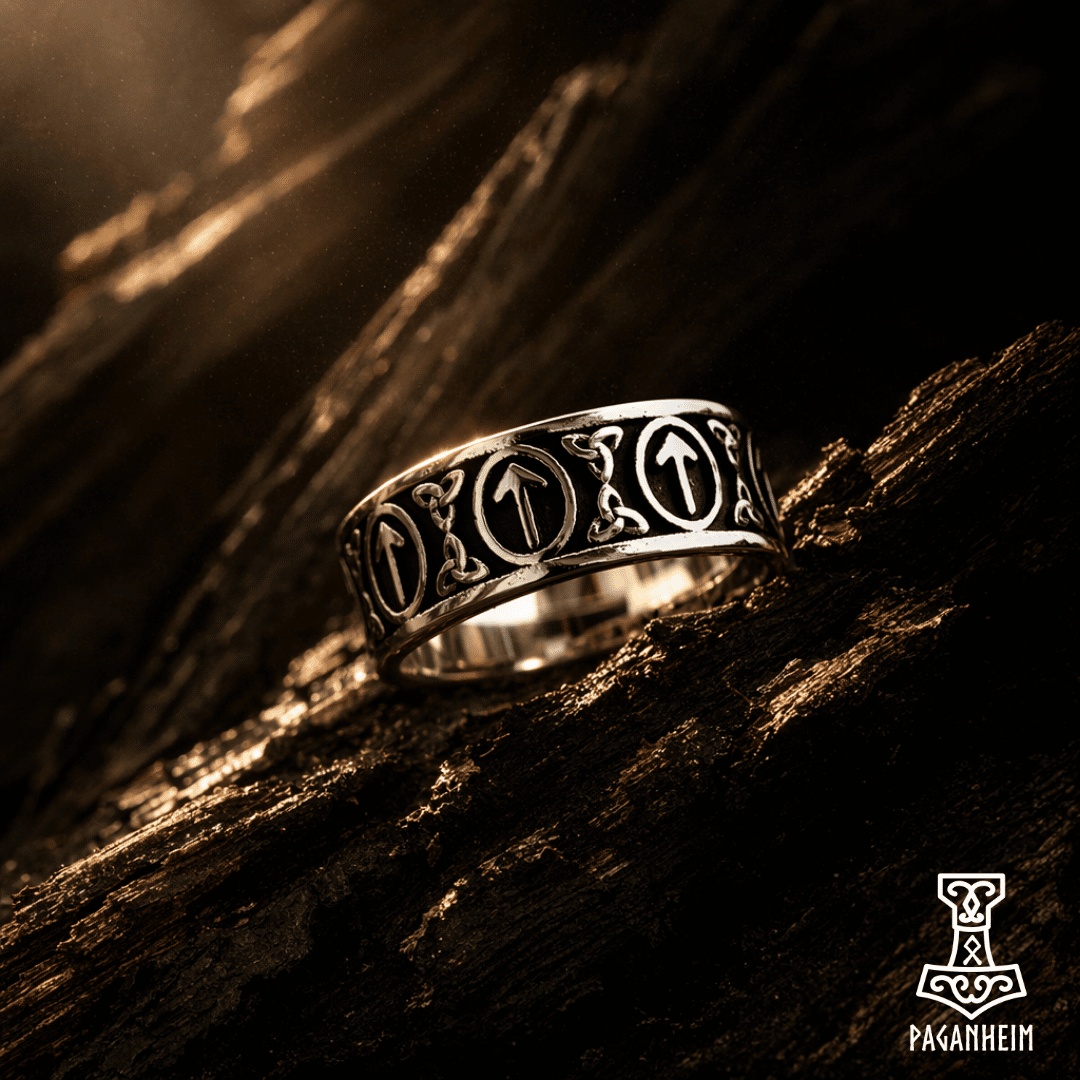

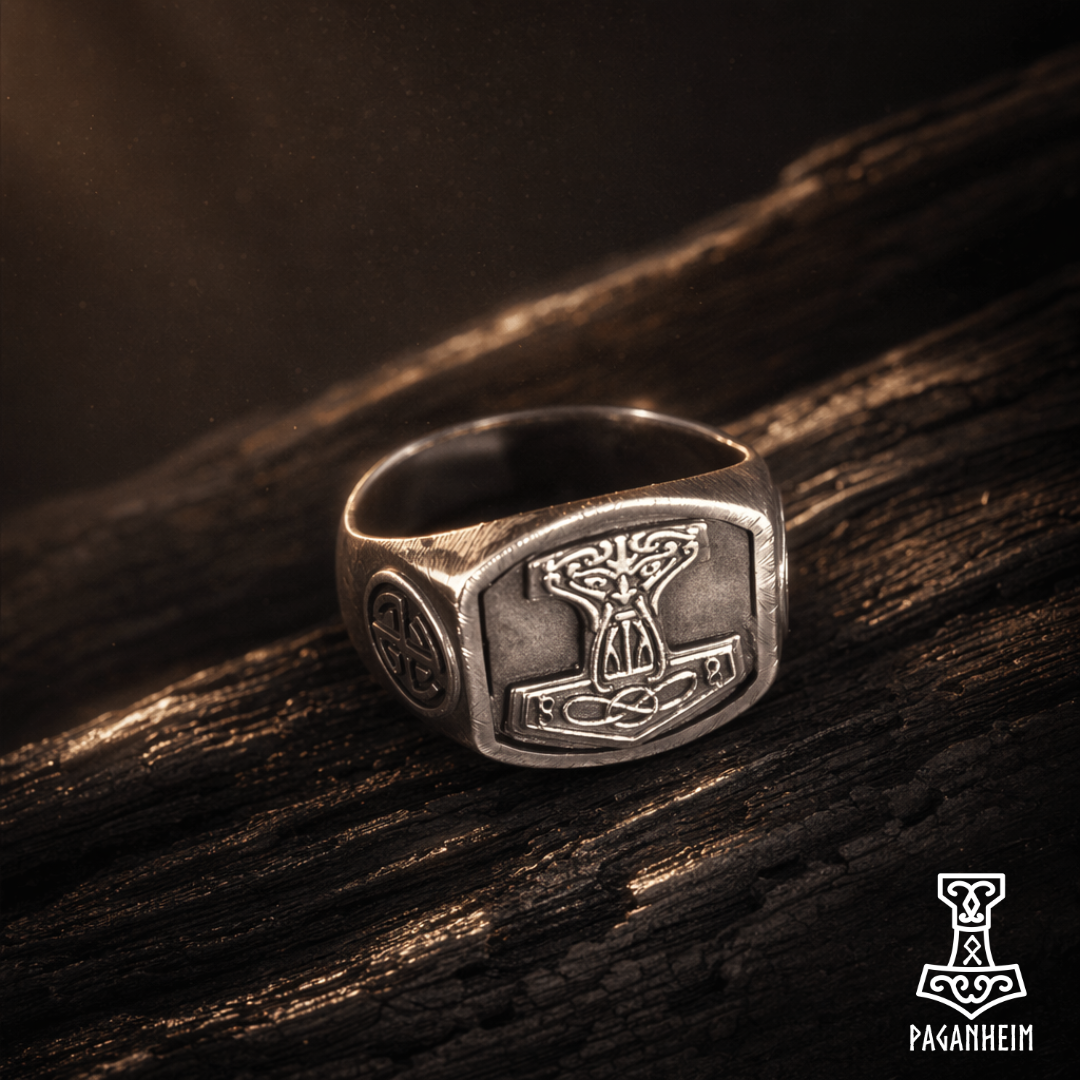
The Story Behind Our Craft
Our pieces are shaped by the old ways — drawn from the craft, symbols, and tales of the Germanic and Celtic peoples. Each one stands as a mark of what was once held true: the gods, the dead, the land, and the long line of kin before us.
Much of the work is made by hand, using methods close to those known in the old world. Where needed, we also use modern tools — not to change the look, but to hold to the same strength and shape the old tools once gave. From the Valknut, tied to Odin and the slain, to the wolves Geri and Freki, each shape is chosen for a reason, not just for show.
This is not just wear for the body — it's a way to hold fast to the past. A sign of bond with what came before. To wear these pieces is to walk with the old stories, to bear the mark of kinship, and to keep alive a way of seeing the world that once was — and still is.
- History -
Blog posts
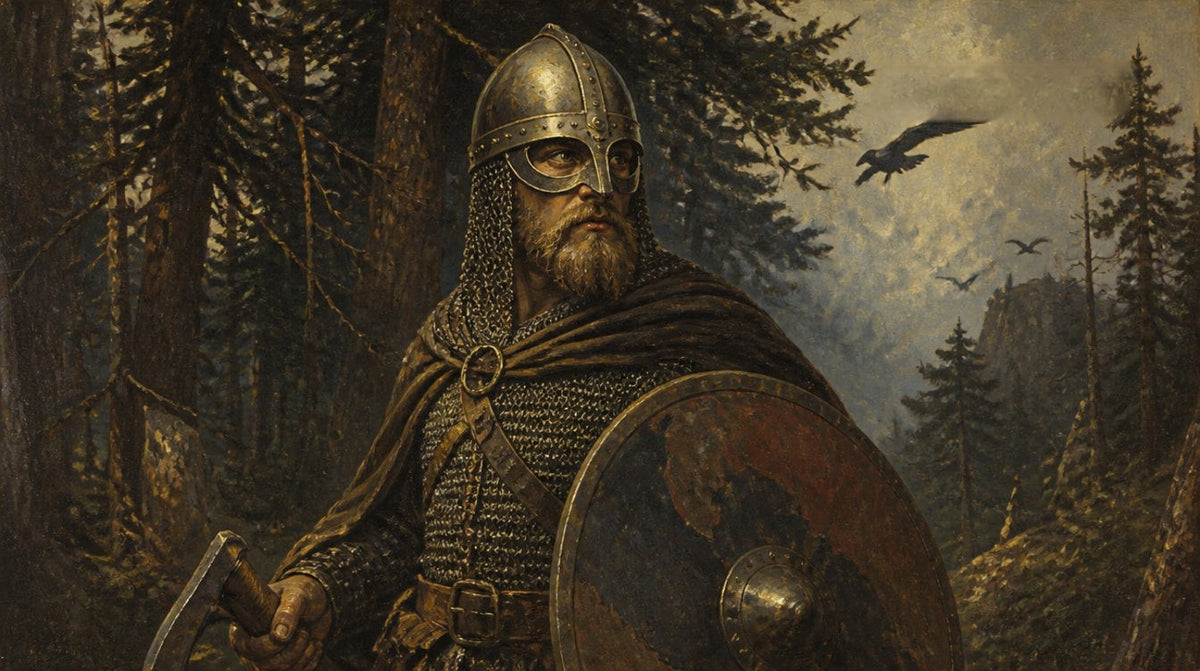
The Goths of Gothiscandza, the Wielbark Culture and Masłomęcz
The Goths are best known for their role in the final centuries of the Western Roman Empire, when Gothic armies fought Roman legions, established kingdoms and helped transform the political landscap...
Read more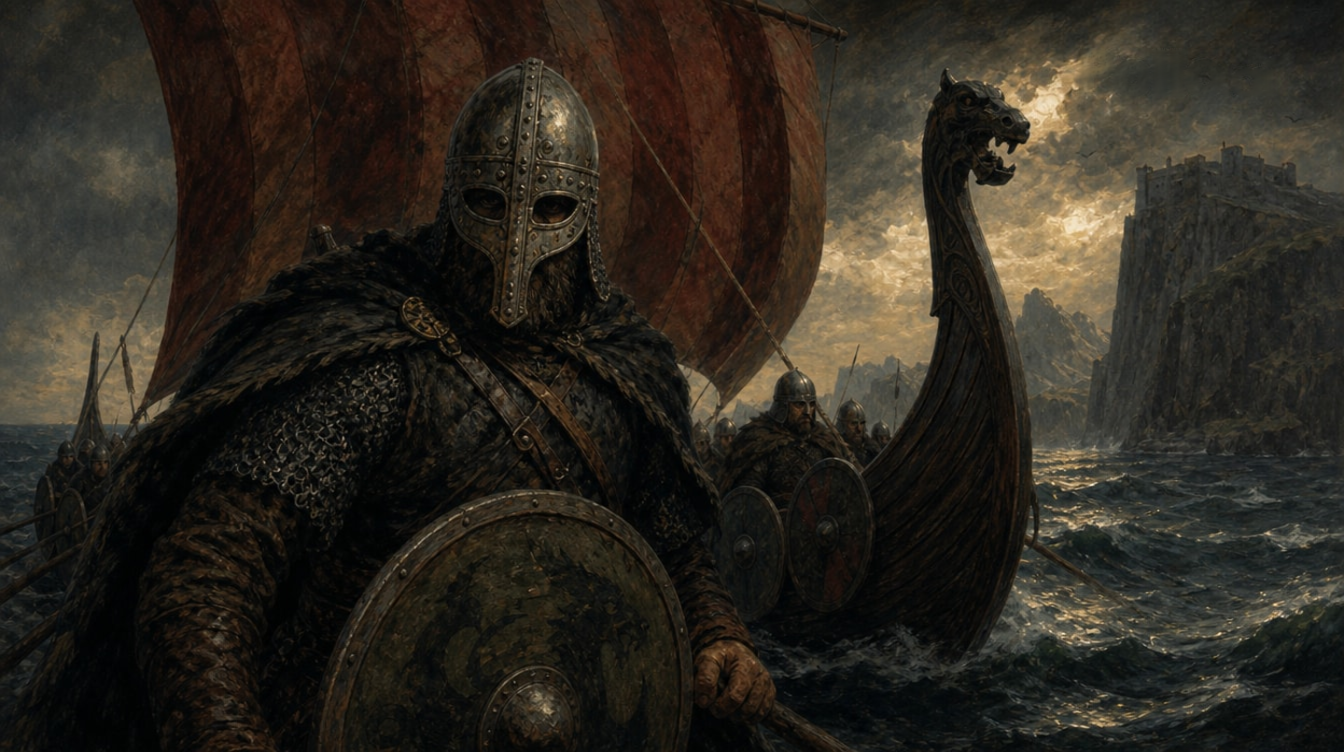
The Frisians: The Sea Peoples of the North Sea World
A full history of the Frisians from Roman-era coastal tribes to medieval maritime traders, including Saxon links, Anglo-Saxon migrations, and identity.
Read more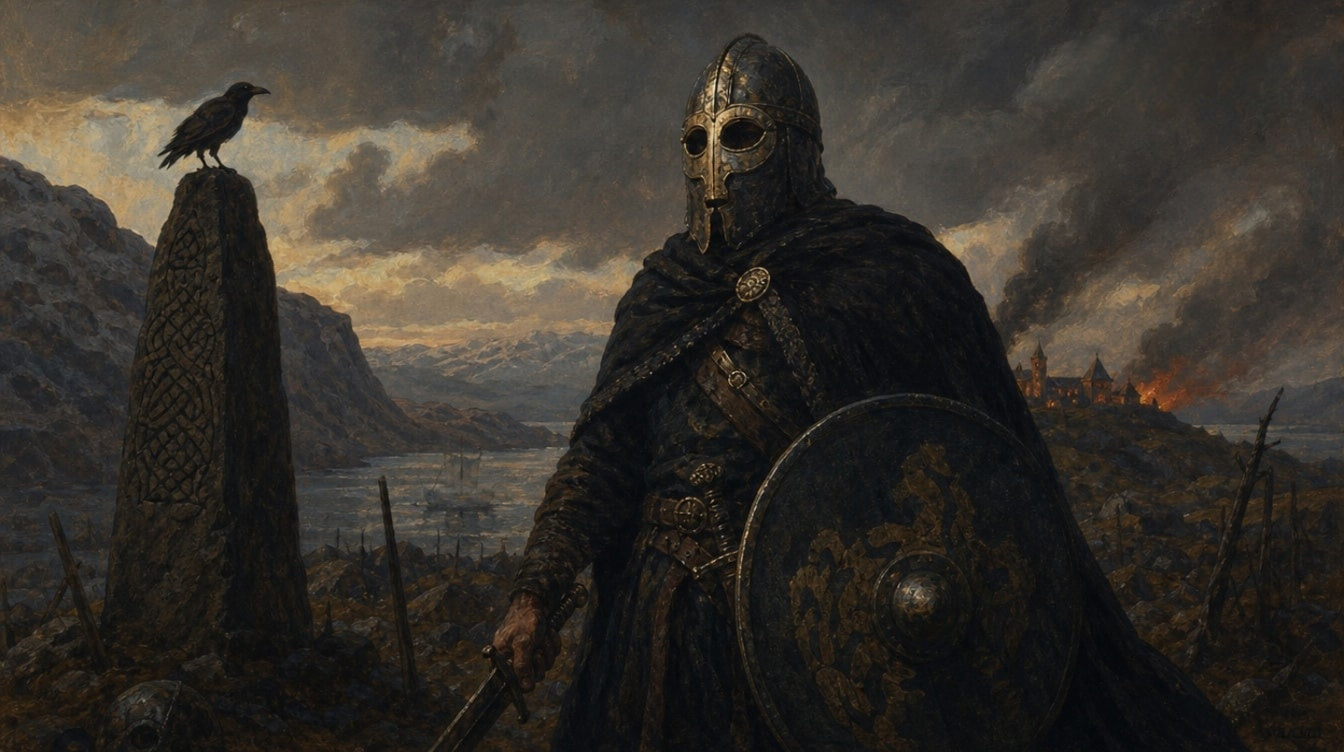
The Angles and the Fragmented Legacy of Angelin
A historical look at the Angles from their homeland in Angelin to Anglo-Saxon England, including continental movements and North Sea connections.
Read more
Free Shipping & returns

45 Day Satisfaction guarantee
Top-notch support

Secure payments