The Völsunga Saga: Kinship, Betrayal, Honour and Heroism
The Vǫlsunga Saga preserved one of the greatest heroic traditions of medieval northern Europe, blending myth, dynastic memory, vengeance, dragons, and the violent political culture of the Migration Period into a single legendary narrative.
Origins and Preservation of the Vǫlsunga Saga
The Vǫlsunga Saga stands among the most important literary works to survive from medieval Scandinavia. Written in Iceland during the 13th century, the saga preserved traditions that were already ancient by the time they were committed to parchment. Beneath its prose narrative lies a much older world of oral poetry, heroic memory, and dynastic legend stretching back into the Migration Period. The saga shares material with poems preserved in the Poetic Edda, while many of its characters and events also appear in continental Germanic traditions such as the Middle High German Nibelungenlied. Together, these overlapping traditions reveal how stories travelled across the Germanic world for centuries before eventually being written down.
The saga emerged within Christian Iceland, yet its worldview remained deeply rooted in the older heroic culture of pagan northern Europe. Icelandic scholars and poets preserved these traditions not simply out of antiquarian interest, but because heroic ancestry, legendary kings, and the memory of the old gods still formed part of the cultural identity of medieval Scandinavia. Although the surviving manuscript tradition is comparatively late, the stories themselves likely circulated orally for generations among Germanic-speaking peoples across Scandinavia, the North Sea world, and continental Europe.
At its centre, the Vǫlsunga Saga tells the story of the Vǫlsung family, a legendary bloodline marked simultaneously by greatness and destruction. Kings, dragon-slayers, shield-maidens, cursed treasure, vengeance, and dynastic collapse all become woven together into a narrative shaped by fate and heroic inevitability.
The Line of Vǫlsungr
Like many Germanic royal genealogies, the Vǫlsungs trace their ancestry to divine origins. The saga begins with Sigi, described as a son of Óðinn. After being exiled for murder, Sigi rises through warfare and conquest, establishing the foundation of a royal bloodline that eventually produces the legendary Vǫlsungs. Such genealogies reflected broader Germanic ideas surrounding kingship and legitimacy. Royal dynasties frequently connected themselves to gods or heroic ancestors, reinforcing the sacred and ancestral authority of ruling families.
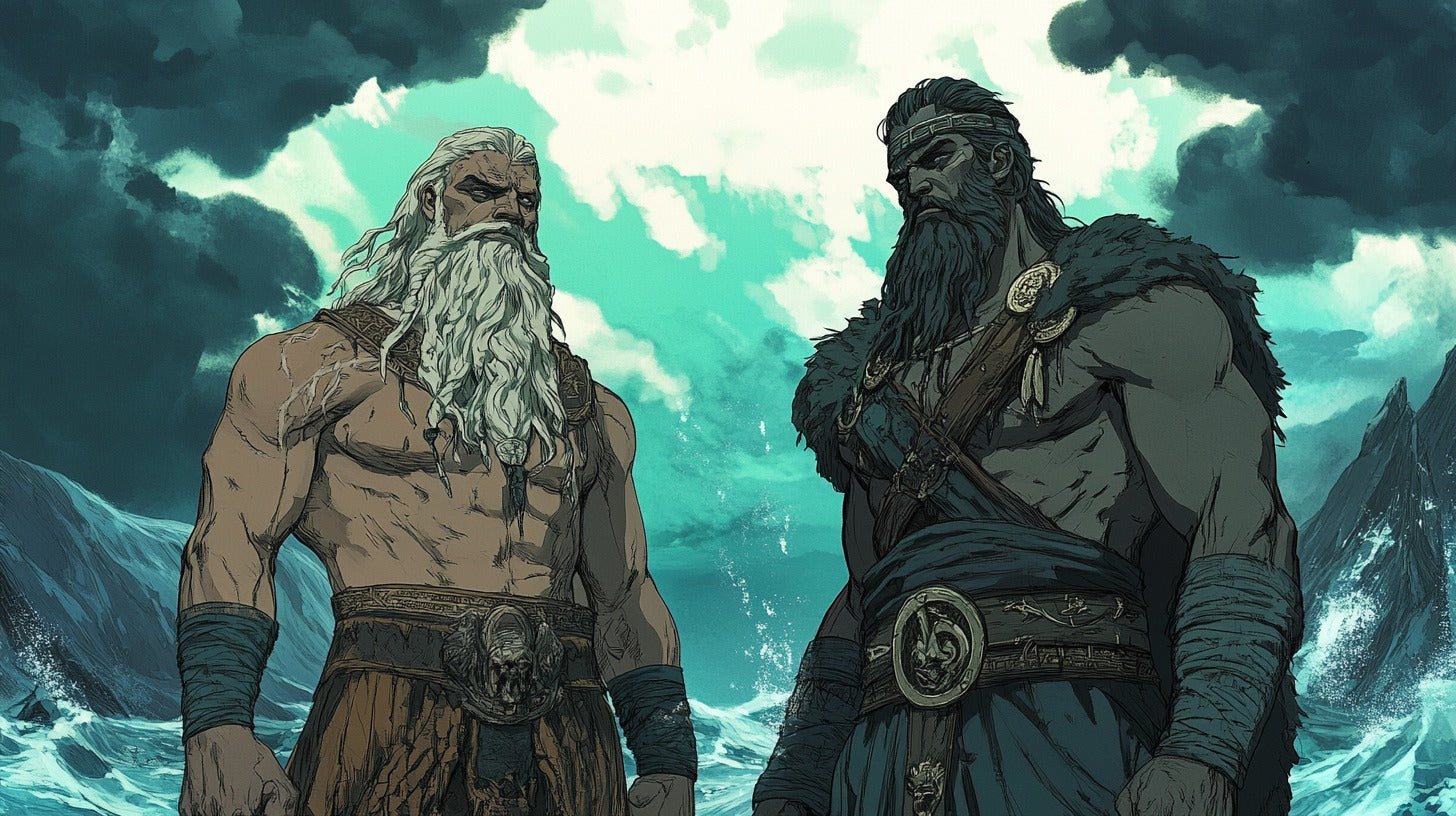
The line eventually produces King Vǫlsungr, from whom the dynasty takes its name. One of the saga’s most famous scenes occurs within his hall, where the great tree Barnstokkr stands at its centre. During a feast, an old one-eyed stranger enters the hall — unmistakably Óðinn in disguise — and thrusts a sword into the tree trunk. He declares that whoever can draw the blade may keep it. Only Sigmundr, son of Vǫlsungr, succeeds in pulling the sword free.
The scene carries enormous symbolic weight. The sword is not merely a weapon but a sign of divine favour, destiny, and kingship. Similar motifs appear throughout Indo-European heroic tradition, where supernatural weapons often function as markers of rightful authority and heroic identity.

"Odin in the Hall of the Volsungs' by Emil Doepler, depicting Odin plunging the sword into the tree, Barnstokkr.
Sigmundr and the Destruction of the Vǫlsungs
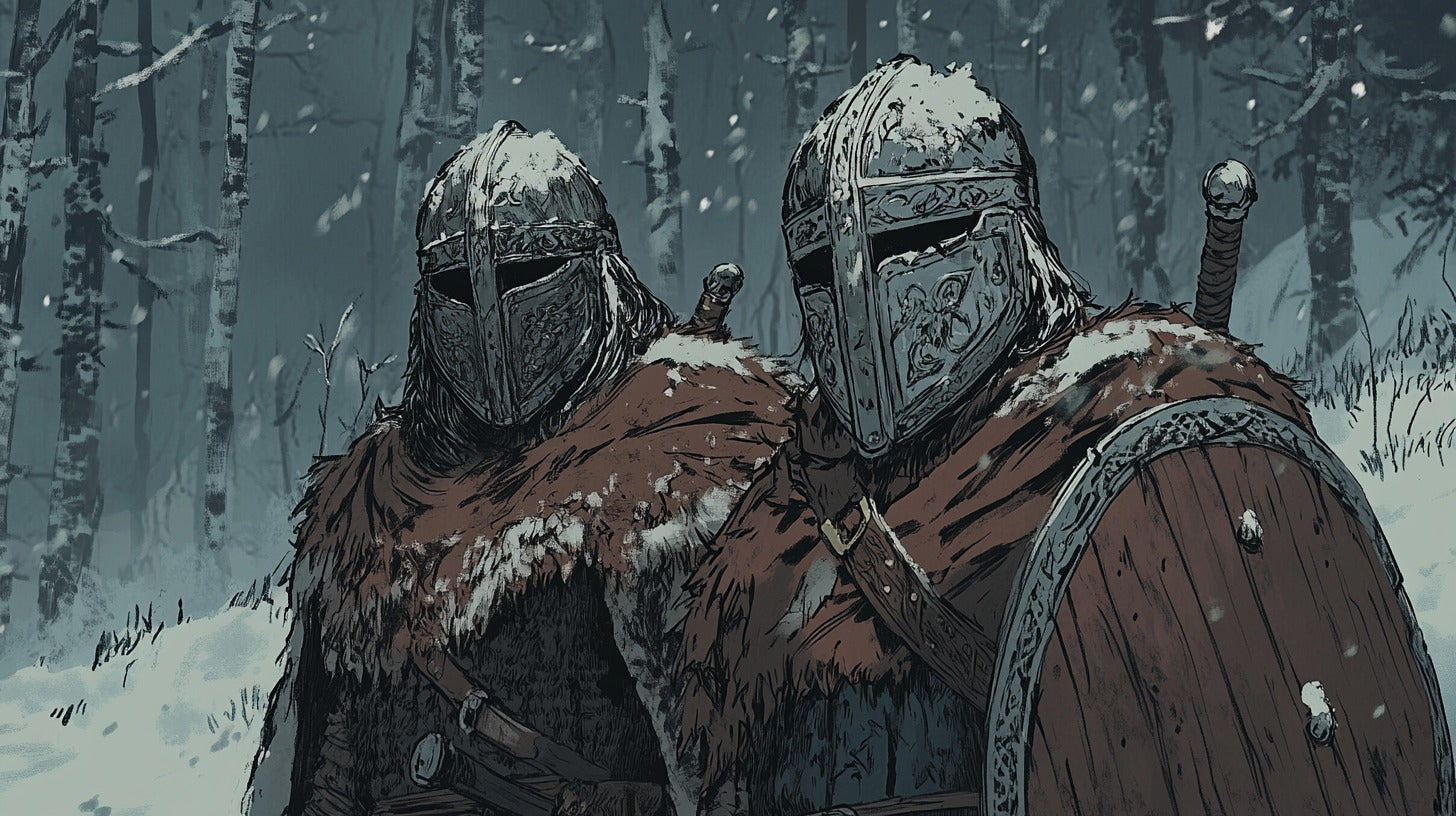
The saga quickly descends into violence, betrayal, and revenge. Siggeirr, king of Gautland, marries Signý, daughter of Vǫlsungr, but secretly plots against her family. During a feast, Siggeirr attacks the Vǫlsungs, killing King Vǫlsungr and capturing his sons. One by one the brothers are executed until only Sigmundr survives.
The vengeance that follows becomes one of the darkest narratives in Old Norse literature. Signý remains outwardly loyal to her husband while secretly aiding Sigmundr’s survival in the wilderness. Determined to destroy Siggeirr and preserve the Vǫlsung bloodline, she ultimately resorts to incest with her own brother in order to conceive a son capable of carrying out vengeance. Their child, Sinfjǫtli, grows into a fierce warrior who joins Sigmundr in destroying Siggeirr’s hall and exterminating his line.
The saga presents these events with striking emotional restraint. Medieval Norse literature rarely moralises directly, instead allowing actions and consequences to speak for themselves. Honour, kinship, blood vengeance, and dynastic survival outweigh nearly every other concern. Modern readers often find these episodes shocking, but within the heroic culture reflected by the saga, such actions existed within a world governed by obligation, loyalty, and fate rather than Christian moral frameworks.
Sigmundr later becomes a renowned warrior king, yet even his greatness cannot overcome destiny. During battle, Óðinn himself appears and shatters Sigmundr’s sword, signalling that his allotted fate has ended. The moment reflects one of the defining characteristics of Germanic heroic literature: even the greatest heroes remain subject to forces beyond their control.
Sigurðr Fáfnisbani and the Dragon Legend
The most famous section of the saga concerns Sigurðr, son of Sigmundr and one of the greatest heroes in Germanic mythology. Raised by the smith Reginn, Sigurðr learns of a vast hoard of cursed treasure guarded by the dragon Fáfnir. Reginn urges the young hero to slay the beast and claim the gold.
Fáfnir himself was not originally a dragon. According to the saga, he had once been a dwarf but became consumed by greed after acquiring a cursed treasure originally belonging to his father Andvari. The gold carried a doom upon all who possessed it, ensuring betrayal, murder, and destruction for generations to come. Over time, Fáfnir transformed into a monstrous serpent-like creature, physically embodying the corruption created by greed and obsession.
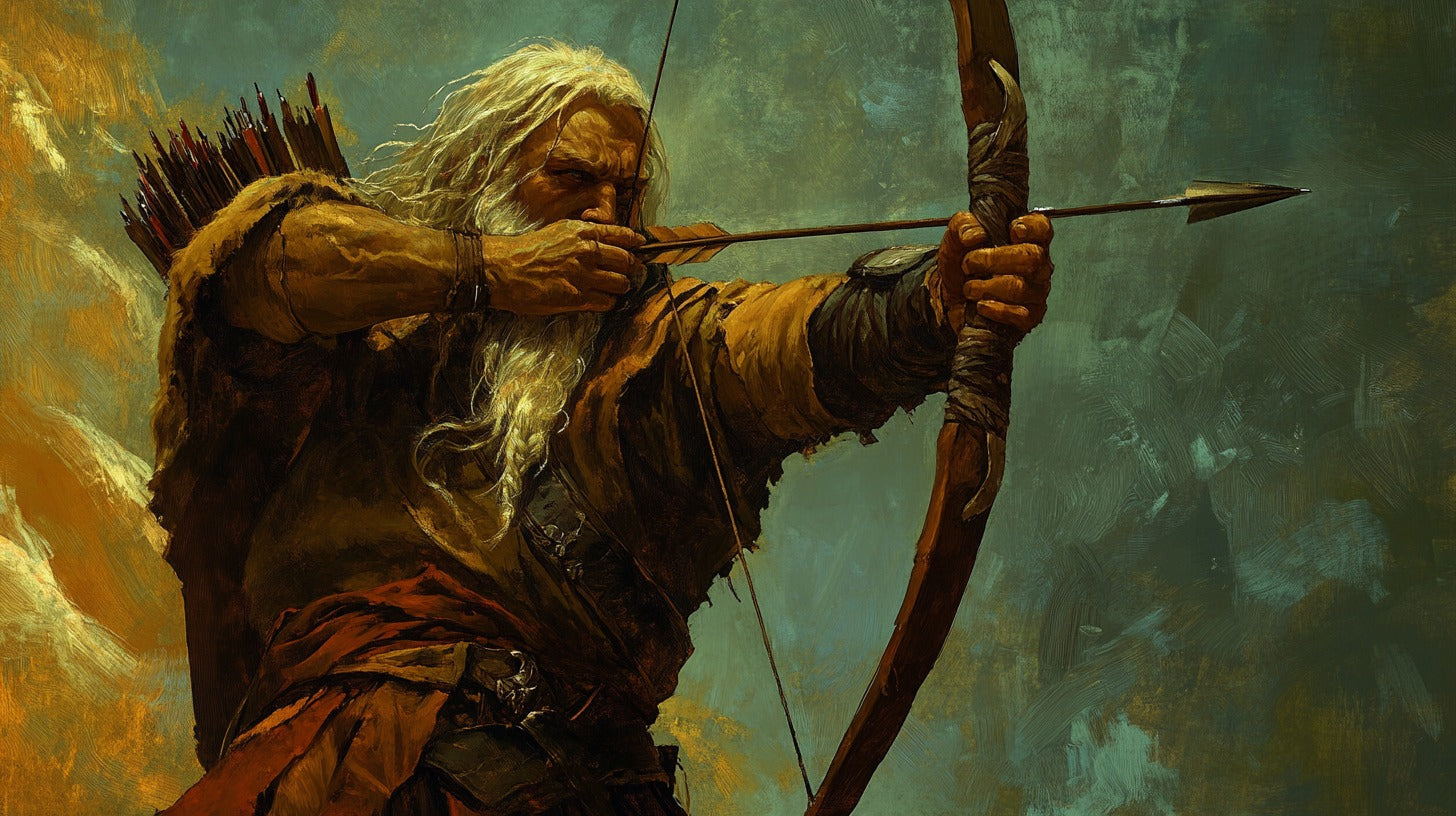
Sigurðr ultimately kills the dragon by digging a pit beneath its path and thrusting his sword upward into Fáfnir’s body as the creature crawls overhead. While roasting the dragon’s heart afterward, Sigurðr burns his thumb and instinctively places it in his mouth, tasting the dragon’s blood. He immediately gains the supernatural ability to understand the speech of birds, who warn him that Reginn intends to murder him and seize the treasure for himself. Sigurðr kills Reginn first and claims the hoard.

One of the door panels from Hylestad stave church, depicting Sigurd sucking his thumb after cooking the dragon's heart (Photo: Marieke Kuijjer CC BY-SA 2.0).
The dragon-slaying episode became one of the most enduring myths of the Germanic world. Elements of it survive in Anglo-Saxon tradition, continental heroic poetry, and later medieval romance. The image of the dragon guarding cursed treasure would profoundly shape later European fantasy literature.
Brynhildr and the Tragic Heroic Tradition
The emotional and tragic centre of the saga lies in the relationship between Sigurðr and Brynhildr. Brynhildr appears as a valkyrie-like figure associated with wisdom, prophecy, and martial authority. Sigurðr awakens her from an enchanted sleep, and the two exchange vows. Yet political intrigue, deception, and manipulated memory eventually separate them.
Through a series of betrayals involving potion-induced forgetfulness and dynastic marriage arrangements, Sigurðr marries Guðrún while Brynhildr is deceived into marrying another man. Once the truth emerges, the relationships collapse into jealousy, vengeance, and murder. Brynhildr ultimately orchestrates Sigurðr’s death before taking her own life.
These events embody the fatalism that defines much of Germanic heroic literature. Greatness and destruction exist side by side. Oaths are sacred, but they are also fragile. Love, loyalty, and heroism cannot prevent fate from unfolding. The tragedy derives not from sudden catastrophe, but from the slow inevitability with which doom approaches every major figure in the story.

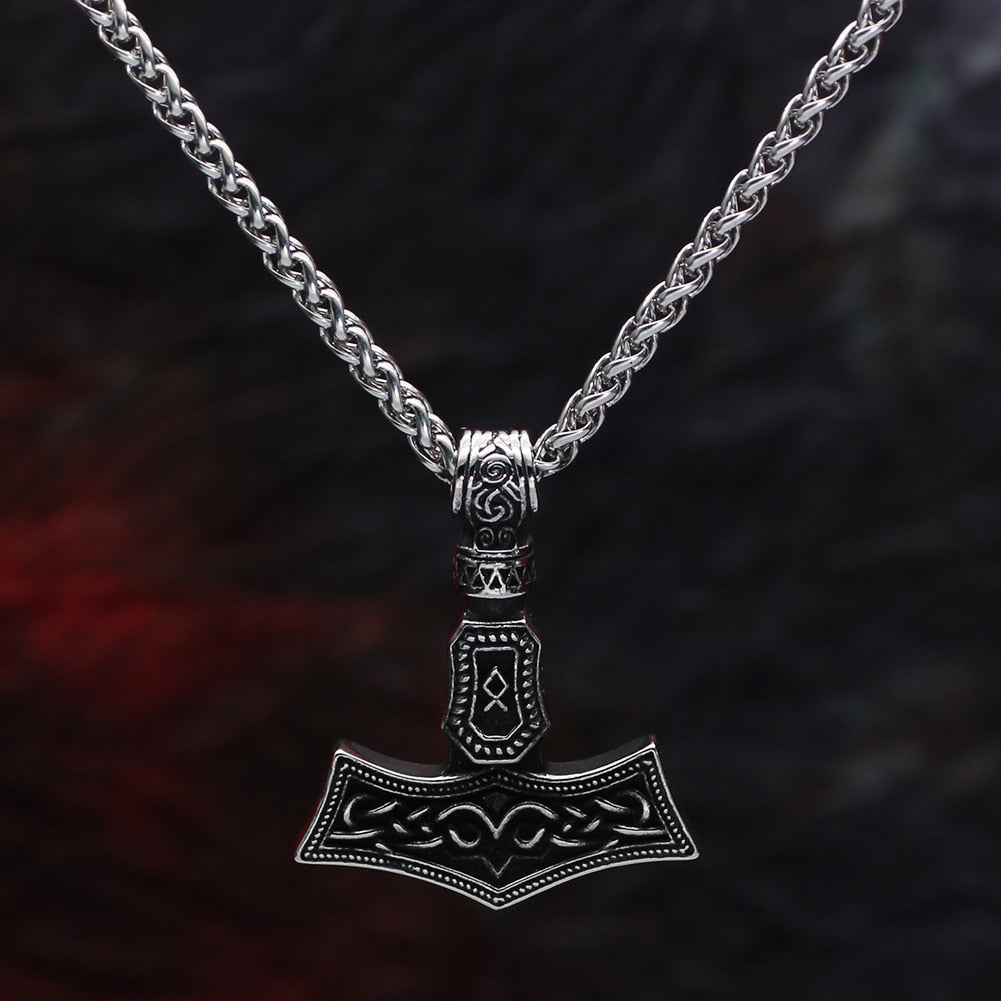
Thor's Hammer Amulet with Algiz Rune
The Burgundians, Atli, and Historical Memory
The later portions of the saga move increasingly into material connected to real historical events from the Migration Period. After Sigurðr’s death, Guðrún becomes central to the narrative, eventually marrying Atli, a figure clearly derived from memories of Attila the Hun. Atli seeks the cursed treasure once possessed by Sigurðr, leading to betrayal, massacre, and dynastic collapse.
The Burgundians appearing in the saga likely preserve distant echoes of the historical Burgundian kingdom destroyed during the 5th century amid the upheavals of the Migration Period. Over centuries of oral transmission, historical conflicts became blended with mythological and heroic material, transforming remembered kings and wars into legendary narratives.
This fusion of myth and history is one of the defining features of the Vǫlsunga Saga. Beneath its dragons and supernatural prophecies lie genuine memories of the violent transformations that reshaped Europe after the decline of Roman authority.
Themes and Interpretation
The Vǫlsunga Saga preserves one of the clearest surviving expressions of the Germanic heroic worldview. Central to that worldview is the concept of fate. Heroes strive for honour and greatness despite fully understanding that destruction is inevitable. Courage matters precisely because victory cannot last forever. Unlike later medieval romance traditions, which often reward virtue with triumph, the Vǫlsunga Saga presents a world where even the noblest figures remain trapped within cycles of vengeance, obligation, and doom.
The saga also reflects the immense importance of ancestry and dynastic identity within Germanic aristocratic culture. The Vǫlsungs are never merely individuals. They exist as members of a bloodline carrying inherited honour, supernatural favour, ancient grudges, and eventual destruction across generations. In many ways, the family itself becomes the true protagonist of the saga.
Modern scholars increasingly view the Vǫlsunga Saga as both literary masterpiece and cultural memory. It preserves echoes of Migration Period warfare, Germanic political culture, and ancient heroic ideals while simultaneously reshaping those materials into a sophisticated narrative about fate, power, greed, and the collapse of great families.
Legacy of the Vǫlsunga Saga
The influence of the Vǫlsunga Saga extended far beyond medieval Scandinavia. During the 19th century, Richard Wagner drew heavily upon the saga and related traditions for his monumental Ring Cycle operas, helping reintroduce Germanic heroic mythology to modern Europe. In the 20th century, J. R. R. Tolkien likewise drew inspiration from Norse heroic tradition, particularly its dragons, cursed treasure, doomed heroes, and northern atmosphere.

Sigurður retrieving his ancestral sword after Reginn reforged it into Gramrc (Illustration: Johannes Gehrts)
Through these later reinterpretations, the Vǫlsunga Saga helped shape modern fantasy literature itself. Yet beneath those later influences remains the original medieval narrative: a brutal, tragic, and deeply human story born from the heroic culture of the Germanic north.
Conclusion
The Vǫlsunga Saga stands among the greatest surviving monuments of Germanic heroic literature. Combining myth, dynastic legend, Migration Period memory, supernatural symbolism, and profound tragedy, it preserved a worldview shaped by warfare, honour, kinship, and fate. Its heroes seek greatness even when they know destruction awaits them, and its dynasties rise only to collapse beneath the weight of vengeance, greed, and doomed destiny.
At the same time, the saga preserves echoes of the real historical upheavals that transformed Europe during Late Antiquity. Through centuries of oral tradition and medieval Icelandic preservation, those distant memories survived in legendary form, becoming one of the defining narratives of the Norse world and one of the foundational heroic traditions of Europe itself.
Frequently Asked Questions (FAQs)
When was the Völsunga saga written?
The saga was composed in Iceland in the second half of the 13th century CE.
In which manuscript does it survive?
It survives only in NKS 1824 b 4to, a paper manuscript from around 1400 CE.
Who is the central hero of the saga?
Sigurðr, son of Sigmundr, who slays Fáfnir, awakens Brynhildr, and marries Gudrún.
How does the saga relate to the Poetic Edda?
It retells in prose the events of the Edda's heroic poems (e.g. Reginsmál, Fáfnismál, Sigrdrífumál).
Is the saga historical?
No; it is legendary, preserving Migration Period Germanic traditions rather than accurate history.
References
Völsunga saga. Edited by Guðni Jónsson. Hið íslenzka fornritafélag, 1954.
Byock, Jesse (trans.). The Saga of the Volsungs. Penguin Classics, 1990.
Finch, R.G. (ed. and trans.). The Saga of the Volsungs. Nelson, 1965.
Andersson, Theodore M. The Legend of Brynhild. Cornell University Press, 1980.
Larrington, Carolyne. The Poetic Edda. Oxford University Press, 2014.
Orchard, Andy. Cassell's Dictionary of Norse Myth and Legend. Cassell, 1997.
Clover, Carol J., and John Lindow (eds.). Old Norse-Icelandic Literature: A Critical Guide. University of Toronto Press, 2005.





Leave a comment
This site is protected by hCaptcha and the hCaptcha Privacy Policy and Terms of Service apply.